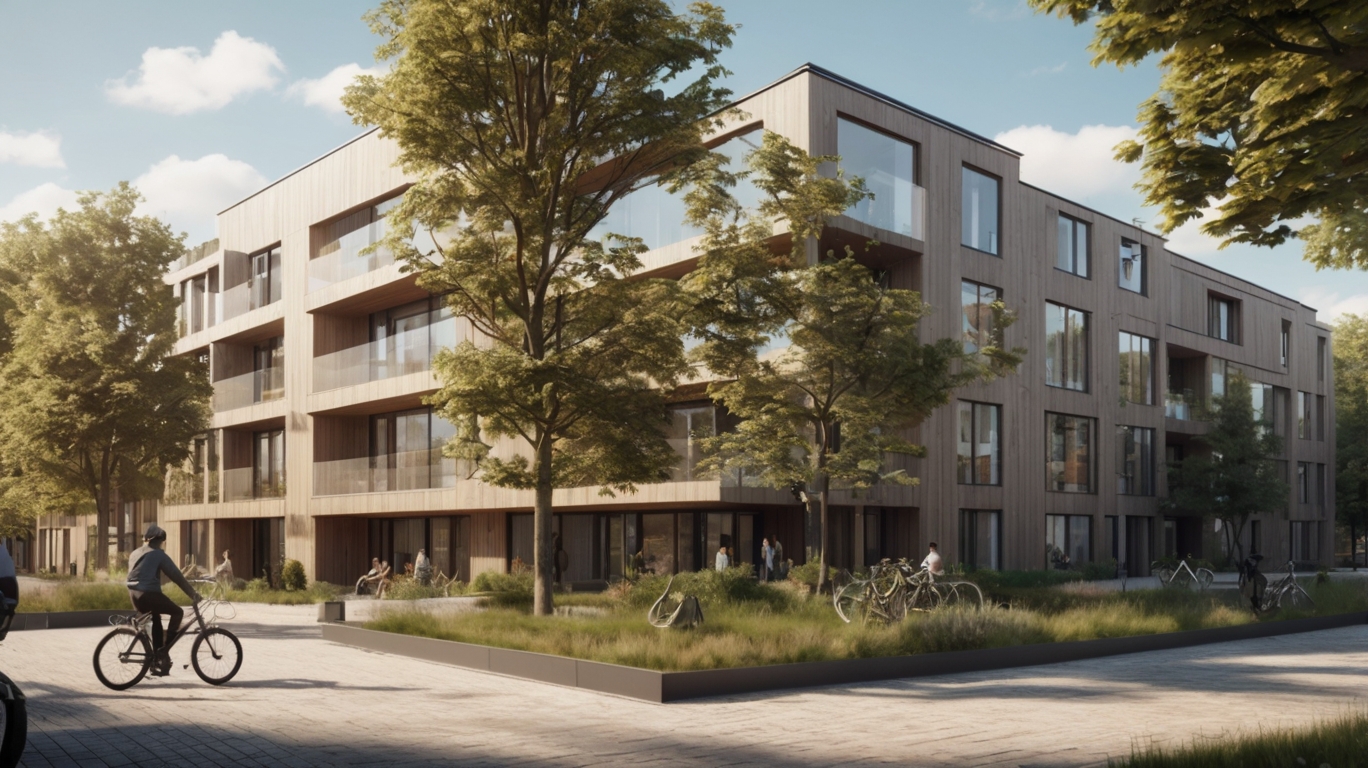
Introduction: The Culture of Apartments in Denmark
When imagining life in Denmark, many picture charming houses with gardens, perhaps even red wooden cottages tucked into leafy neighborhoods. Yet, the reality is surprising: a significant portion of Danes live in apartments. Why is apartment living so common in Denmark, and what does it reveal about Danish culture, urban planning, and lifestyle priorities?
From historical policies to modern urban convenience, this guide explores why flats are more than just a housing choice—they are a reflection of practicality, community values, and the Danish approach to living efficiently and sustainably. Whether planning to move, travel, or simply understand Danish life, this article provides a deep dive into apartment culture in Denmark.
The Statistical Landscape of Danish Housing and Apartments Blocks
Understanding the numbers helps clarify why apartments are so widespread. Denmark has around 2.8 million homes, and of these:
- Approximately 40% are flats
- Just over 40% are detached houses
- The remainder consists of semi-detached or terraced homes
Nearly half the population chooses apartment living, not as a fallback, but as a mainstream lifestyle.
Ownership vs. Renting
Homeownership in Denmark is relatively balanced:
- Just over half of households own their homes
- The remainder rent
Renting in Denmark is not a temporary or unusual situation—it is a respected and stable housing option. Families, students, and professionals may rent for years without stigma.
Average Sizes
- Average apartment: 79 square meters
- Average home overall: 112 square meters
Although apartments are smaller, they come with benefits: less cleaning, lower heating bills, and access to shared outdoor and community spaces, aligning with Danish priorities of practicality and community.
Historical Roots: Social Housing Apartments and Cooperative Models
Apartment culture in Denmark is deeply tied to history and deliberate policy decisions.
Social Housing
Social housing is a cornerstone of Danish apartment life:
- Around 1 in 5 Danish homes are social housing (~573,000 units)
- Managed by over 650 organizations
- Designed as mixed communities with teachers, students, young families, and retirees living side by side
Social housing is inclusive, with municipalities allowed to reserve up to 25% of homes for people with extra needs such as newcomers, the unemployed, or those with disabilities. This system maintains affordability, diversity, and social cohesion.
Cooperative Housing
Cooperative housing blends ownership with community:
- Over 210,000 cooperative units nationwide
- In Copenhagen, over one-third of apartments are cooperatives
- Residents buy into the cooperative that owns the building rather than purchasing a single unit outright
Co-ops stabilize prices, encourage shared responsibility, and prevent speculative inflation. About 7–8% of all Danish housing and 10% of the rental market are co-ops, which helps maintain accessibility in urban areas.
Post-War Housing Policies
After World War II, Denmark faced a severe housing shortage. The government prioritized building flats over detached houses, a policy that continues to influence housing choices today. Apartments have evolved into smart, practical options, not just temporary solutions.
Urban Density and City Planning
The concentration of apartments is closely tied to Danish city planning and lifestyle preferences.
Location and Commute
In urban areas like Copenhagen:
- About 82% of rental listings are apartments
- Houses and semi-detached homes are far less common
- Apartments place residents close to jobs, schools, shops, and public transport
A 15-minute bike commute replaces a one-hour car journey, emphasizing the convenience of apartment living.
Community Amenities
Smaller private spaces are offset by shared amenities:
- Courtyards and gardens
- Rooftop terraces
- Communal lounges and recreational areas
These features foster social connections and support the Danish focus on community and shared living spaces.
Affordability and Predictability
Apartments, including co-ops and social housing, offer stable pricing in comparison to detached houses, which fluctuate more dramatically. This stability appeals to young professionals, families, and long-term renters.
Economic Considerations When Buying Apartments: Cost vs. Space
While apartments offer less private space, there are clear economic advantages:
- Lower purchase prices compared to detached houses
- Reduced heating and maintenance costs
- Less time and effort spent on cleaning and upkeep
Example: In Copenhagen, the average price per square meter for an apartment is 16,100 DKK, compared to 17,800 DKK for a detached house. Over 80–100 square meters, the savings become significant.
Lifestyle and Sustainability
Apartments align with the Danish lifestyle and cultural values:
- Emphasis on efficiency and practicality
- Preference for urban living with easy access to amenities
- Focus on sustainability, with smaller spaces requiring fewer resources
Urban Lifestyle Advantages
Living in an apartment promotes:
- Shorter commutes and more leisure time
- Easy integration into vibrant neighborhoods
- Opportunities to enjoy public spaces and nature, even in smaller units
Apartment living reflects Danish priorities: less emphasis on private square meters, more on quality of life.
Design and Modern Adaptations in Apartments
Modern Danish apartments combine practicality with design:
- Multifunctional furniture: foldable tables, storage benches, convertible sofas
- Energy-efficient systems: heating, insulation, and lighting
- Sustainable materials: wood, wool, and stone for long-lasting interiors
These design choices demonstrate that apartments can be both functional and aesthetically pleasing, reflecting Danish values of quality, minimalism, and well-being.
Cultural Significance
Apartments in Denmark are more than a housing choice—they are cultural symbols:
- Community-oriented: fostering shared experiences
- Practicality over excess: prioritizing life outside the home and public space use
- Inclusivity: mixed social and cooperative housing prevents segregation
Apartment living embodies the Danish concept of “hygge”, the idea of comfort, warmth, and togetherness, not just at home but in the community.
Conclusion: Why Apartments Make Sense in Denmark
Apartments dominate Danish urban life for reasons that combine history, policy, economics, culture, and practicality.
Key takeaways:
- History shaped housing choices: post-war shortages and social housing policies favored apartments.
- Urban density requires apartments: proximity to work, schools, and amenities makes smaller homes appealing.
- Economic advantages: lower costs, stable rents, and energy savings outweigh smaller private spaces.
- Lifestyle benefits: convenience, sustainability, and community-focused living are prioritized.
- Cultural integration: apartments reflect Danish values of inclusion, minimalism, and social cohesion.
For travelers, expats, or those considering moving to Denmark, understanding apartment living is key to appreciating Danish society. These spaces are not compromises—they are smart, community-focused, and sustainable choices.