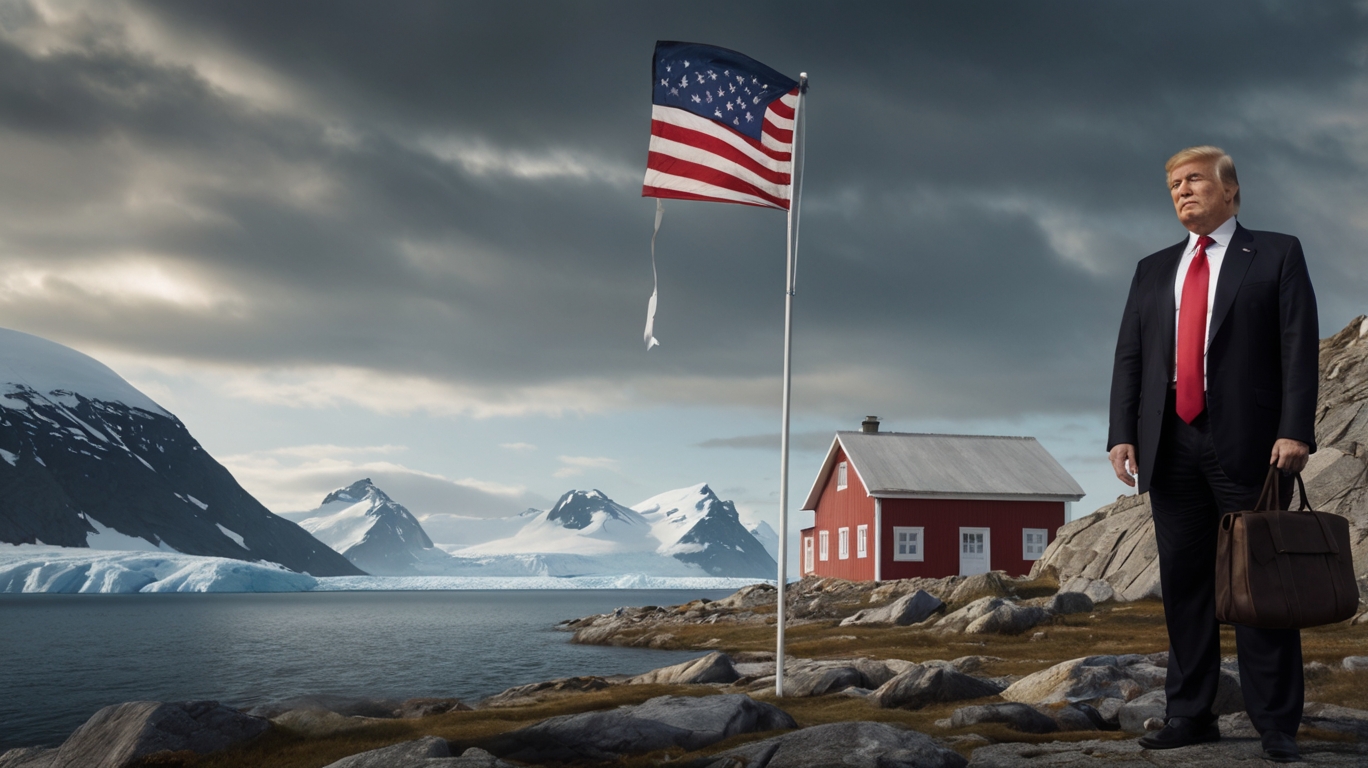
Introduction: A Story Too Strange to Be True?
In global politics, some headlines seem so unbelievable that they feel like satire. One of those moments came in 2019 — and again resurfaced in 2025 — when Donald Trump, then President of the United States, suggested buying Greenland from Denmark.
Yes, you read that correctly. The leader of the world’s largest economy proposed to purchase the world’s largest island. To many outsiders, the idea sounded like a mix between Monopoly and Amazon Prime shopping. But in Denmark — a small, highly organized, and socially cohesive Nordic country — the reaction was something very different.
This story isn’t just about a failed deal. It reveals a lot about how Denmark works, why the arctic landmass
matters, and what Danish society values. If you’re planning to visit, move to, or learn more about Denmark, this unusual chapter in modern history offers surprising lessons about Danish culture, politics, and independence.
Why Greenland? Understanding the Strategic Prize
The Basics of Greenland
Greenland is not just a frozen wasteland of icebergs. It’s the world’s largest island, located strategically between North America and Europe. Though geographically closer to Canada, it is an autonomous territory within the Kingdom of Denmark. That means Denmark handles its defense and foreign affairs, while The Arctic landmass
has self-rule in most domestic matters.
Key facts about Greenland:
- Population: About 56,000 people (mostly Inuit).
- Size: Roughly 2.1 million km² — about a third the size of the entire USA.
- Resources: Rich in minerals, rare earth elements, and fishing rights.
- Location: Key to Arctic shipping lanes and military strategy.
For the US, Greenland isn’t unfamiliar. The American military already operates a major base at Thule Air Base in northwestern Greenland, a Cold War relic that still plays a role in missile detection and Arctic strategy.
Why Trump Wanted Greenland
Trump framed the idea as a real estate deal. In his world, land is an asset, and The Arctic landmass
seemed like a bargain:
- Access to untapped natural resources.
- Military strategic positioning in the Arctic.
- A way to assert US influence in a region increasingly eyed by Russia and China.
But for Denmark and Greenland, the story was about sovereignty, history, and national pride.
Denmark’s Reaction in 2019: “Greenland Is Not For Sale”
When Trump’s idea leaked to the press in August 2019, reactions in Denmark ranged from disbelief to humor.
- Prime Minister Mette Frederiksen called the proposal “absurd”.
- Former Danish PM Lars Løkke Rasmussen tweeted: “It must be an April Fool’s Day joke … but totally out of season.”
- Danish newspapers ran with satirical headlines, and social media was flooded with memes of Greenland on sale at IKEA.
For many Danes, the idea was almost insulting. Denmark has a long tradition of respecting self-determination. Suggesting that one could “buy” Greenland reduced centuries of complex history and indigenous rights to a real estate transaction.
The response wasn’t just about saying no. It was about asserting that Denmark isn’t a country where money can buy everything. This is a core part of how Danish society works — the focus is on values, trust, and democracy, not quick profit.
What Happened in 2025: The Greenland Proposal Resurfaces
Fast forward to 2025. Even though Trump was no longer in office, the idea of purchasing Greenland returned to the headlines. Some US politicians and commentators floated the concept again, citing global tensions, energy crises, and the race for Arctic dominance.
By then, the world had changed:
- Climate change was opening new shipping lanes in the Arctic.
- Greenland’s mineral wealth was more in demand due to the global push for green energy (think rare earth elements for wind turbines and batteries).
- China and Russia had expanded Arctic operations, making the US nervous about being left behind.
Once again, Denmark firmly rejected the notion. But this time, Danish officials stressed even more clearly that Greenland’s autonomy and indigenous rights make any sale impossible. Greenland itself had grown stronger politically, with leaders insisting that their future is self-determined — not for sale to the highest bidder.
What This Reveals About How Denmark Works
This whole saga isn’t just a quirky news story. It highlights deeper truths about Denmark and how the country functions.
1. Respect for Autonomy
Denmark’s relationship with Greenland is complicated but built on mutual respect. Greenland has home rule, and its people identify strongly with their Inuit heritage. Denmark sees itself as a protector, not an owner. This is why the idea of “selling” Greenland was met with such disbelief.
2. Small Country, Strong Identity
Denmark may be small — just under 6 million people — but it has a strong voice in global affairs. Danes take pride in being independent-minded, pragmatic, and values-driven. Selling land for profit simply doesn’t fit that identity.
3. Trust in Democracy Over Money
Denmark consistently ranks as one of the world’s happiest and least corrupt countries. The idea that a massive land deal could override the wishes of Greenland’s people clashed with the very foundations of Danish democracy.
4. Humor as a National Defense
When faced with absurdity, Danes often respond with humor. Instead of outrage, many Danes made jokes. This cultural trait — using satire to deal with stress — is something newcomers to Denmark quickly notice.
Lessons for People Moving to or Visiting Denmark
So, what can travelers and expats learn from this strange geopolitical drama?
- Expect Pragmatism: Danes often reject flashy or extreme ideas in favor of practical, long-term thinking.
- Democracy Is Sacred: Whether it’s local town councils or Greenland’s autonomy, decisions are rooted in people’s voices, not just business deals.
- Humor Runs Deep: Don’t be surprised if Danes laugh first when facing strange situations. Humor helps keep things grounded.
- Sovereignty Matters: Understanding Greenland’s unique role in the Danish realm gives you insight into how Danes view independence and responsibility.
Denmark, Greenland, and the Bigger Picture
This story also shows how small nations can stand their ground in a world dominated by superpowers. Denmark may not have the military might of the US, but it has something equally powerful: a clear identity, strong democratic values, and international respect.
For Greenland, the incident helped raise awareness of its growing autonomy and importance in global affairs. Far from being a frozen afterthought, Greenland became a symbol of the 21st-century struggle for resources, sovereignty, and climate action.
Conclusion: More Than a Failed Real Estate Deal
Donald Trump’s attempts in 2019 and the revived chatter in 2025 to buy Greenland may sound like punchlines, but they offer deep insight into Denmark’s values.
For anyone curious about Denmark — whether you’re planning to visit, study, or move here — this story is a reminder of what makes Danish society unique:
- Respect for democracy and self-rule.
- Pride in identity, even as a small nation.
- A sense of humor that lightens even the most bizarre global headlines.
So the next time you hear about Greenland in the news, remember: it’s not just about ice and land. It’s about the resilience of a people and the values of a country that believes some things simply aren’t for sale