Danish Design: Where Beauty Meets Functionality in Everyday Life
Danish design has earned worldwide recognition for its seamless blend of beauty and functionality. Whether it’s furniture, fashion, or household tools, Danish design is rooted in the principles of minimalism, simplicity, and practicality. Unlike design that merely serves an aesthetic purpose, Danish design prioritizes creating objects, spaces, and environments that improve daily life while delighting the senses.
For anyone planning to visit, move to, or learn about Denmark, understanding Danish creativity provides insight not only into the country’s culture but also its values—where simplicity, efficiency, and thoughtfulness shape daily life. This guide explores the philosophy behind Danish creativity, its applications in everyday life, and how you can use these principles to make your surroundings more functional and beautiful.
The Core Principles of Danish Design
At the heart of Danish design is the belief that beauty should not come at the expense of utility. Designers in Denmark, particularly in the mid-20th century, embraced a minimalist approach that sought to eliminate unnecessary ornamentation while focusing on the function of the object or space. Danish design is known for its clean lines, neutral colors, and high-quality materials, all of which work together to create elegant yet practical pieces. The key to this philosophy is the idea that design should enhance the quality of life, not just serve as decoration.
The Danish principle of “form follows function” plays a significant role in shaping the country’s creative culture. It reflects a deep respect for craftsmanship, an understanding of how people interact with objects and spaces, and an appreciation for the intrinsic beauty of simplicity. This ethos is evident in many iconic Danish creations, from furniture and interiors to fashion and everyday items.
Interior Design: Creating Functionally Beautiful Spaces
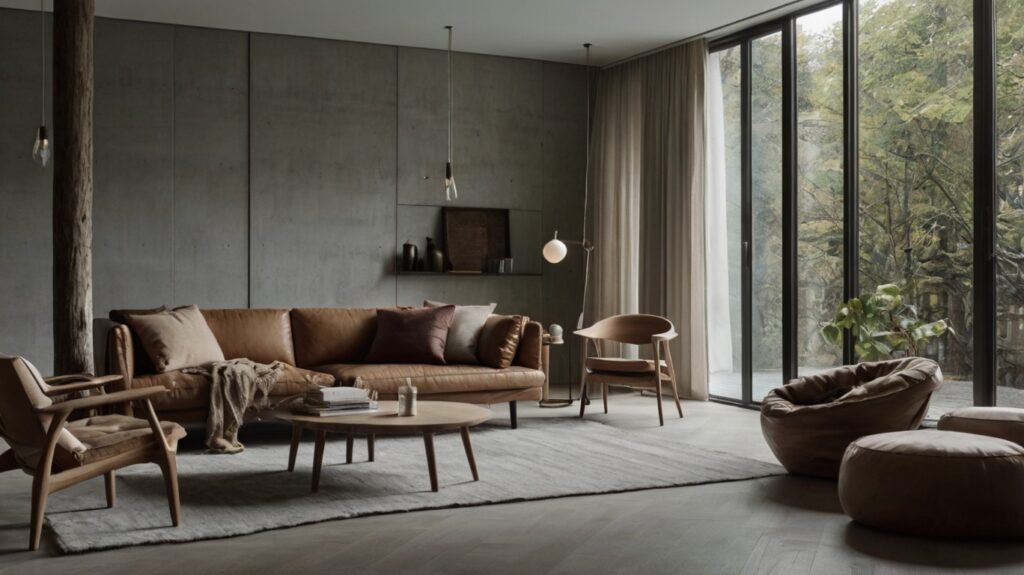
Danish interior design is often associated with a sense of warmth, coziness, and practicality. The Danish concept of “hygge,” which emphasizes comfort, contentment, and well-being, has influenced the way Danes approach their homes and living spaces. Rather than cluttering spaces with excess decor, Danish interiors tend to be minimalist, with clean, uncluttered spaces that focus on function without sacrificing style.
Incorporating Danish principles into your home means embracing the idea that every object should have a purpose while also enhancing the overall aesthetic. This is why furniture in Denmark is often both simple and functional. Iconic pieces like Arne Jacobsen’s Egg Chair or Hans Wegner’s Wishbone Chair combine elegance with comfort and durability, making them staples in Danish homes and admired worldwide.
The use of natural materials, such as wood, leather, and wool, is another hallmark of Danish style. These materials add texture and warmth to a space and have a timeless quality that ages beautifully. In Danish homes, furniture and decor are often durable, sustainable, and versatile, reflecting a respect for craftsmanship and the environment.
Lighting also plays a crucial role in Danish interiors. Given Denmark’s long winters and limited natural light, creating a warm and inviting atmosphere indoors is essential. Danes often use soft, ambient lighting to make spaces cozy, with light fixtures serving not only as practical sources of illumination but also as elements that bring character to the room.
Fashion: Simplicity with Style
Danish fashion is another area where the principles of design and functionality are deeply intertwined. The Scandinavian fashion aesthetic is known for its minimalist, yet sophisticated, approach. Danish designers favor timeless, versatile pieces that prioritize comfort and practicality without sacrificing style. Much like Danish interior design, Danish fashion emphasizes quality over quantity, with a focus on durable fabrics, well-crafted garments, and a neutral color palette that makes it easy to mix and match.
Key to Danish fashion is the concept of “slow fashion,” which encourages people to invest in well-made, long-lasting clothing rather than fast fashion trends that are often disposable. By embracing slow fashion, individuals not only support sustainable practices but also curate a wardrobe that is both stylish and functional. Danish fashion often blends casual and formal elements, allowing for effortless transitions between work, social, and leisure activities.
Brands like Ganni, Henrik Vibskov, and Acne Studios showcase Danish fashion that blends beauty and function. Their clothing is practical enough for daily wear while remaining stylish and sophisticated for special occasions. Danish fashion focuses on creating pieces that can be worn and cherished for years, rather than following fleeting trends.
Daily Tools: Enhancing Functionality through Design
In Danish culture, design is not limited to furniture and fashion—it also extends to the tools and objects that people use in their everyday lives. Whether it’s a kitchen utensil, a bicycle, or a pair of eyeglasses, Danish design focuses on creating products that are both aesthetically pleasing and highly functional.
For example, the Danish brand Stelton is renowned for creating kitchenware that blends form and function. Their iconic stainless steel Thermos flask is simple yet innovative, offering both elegance and practicality. This approach extends to Danish tools and gadgets, from sleek, modern knives to carefully crafted watches and high-performance bicycles.
The focus on functionality and beauty in everyday tools is not just about convenience—it’s about enhancing the user’s experience. A well-made tool should be easy to use, durable, and efficient, while also adding to the aesthetic of the space or activity. By choosing products that reflect this principle, individuals can improve daily routines and elevate even the most ordinary tasks.
The Impact of Danish Design on Modern Life
Danish design has had a lasting influence on the way we approach beauty and functionality in modern life. The core principles of simplicity, durability, and practicality are relevant not only in Denmark but around the world. Whether we are designing our homes, choosing our clothing, or selecting the tools we use every day, the Danish philosophy encourages us to make thoughtful choices that combine aesthetics with utility.
By embracing the Danish approach to design, individuals can create spaces and experiences that are not only visually appealing but also functional and purposeful. This mindset fosters an appreciation for quality over quantity, simplicity over excess, and functionality over novelty. As a result, the Danish way of design can lead to a more sustainable, fulfilling, and intentional lifestyle—one where beauty and utility coexist in harmony.
Conclusion
Danish design is a perfect example of how beauty and functionality can go hand in hand. By focusing on simplicity, quality, and practicality, Danish design has transformed everything from furniture and interiors to fashion and everyday tools. Incorporating these principles into our own lives can help us create spaces, wardrobes, and daily routines that are both beautiful and functional, allowing us to appreciate the elegance of well-designed objects while enhancing the utility of our everyday experiences. The Danish approach to design teaches us that when beauty and function come together, they create a life that is not only visually pleasing but also deeply enriching.