Introduction: Discover Denmark’s Heart of Learning and Culture
Denmark is a country often admired for its high quality of life, progressive policies, and rich cultural heritage. But one of the most remarkable aspects of Danish society is its deep-rooted love for learning and culture. From childhood education to lifelong self-improvement, Danes have cultivated a society where intellectual curiosity and cultural appreciation thrive.
If you’re planning to travel, study, or move to Denmark, understanding this cultural trait is essential. It’s not just about schools or museums; it’s about a way of life that values knowledge, creativity, and personal growth. In this article, we’ll explore how Denmark fosters a love for learning and culture, and how this approach shapes both individuals and society.
Education in Denmark – A Foundation of Lifelong Learning
Education is at the core of Danish culture. The country consistently ranks among the top nations in global education indices, reflecting its commitment to fostering both academic skills and personal development.
Early Childhood Education and Development
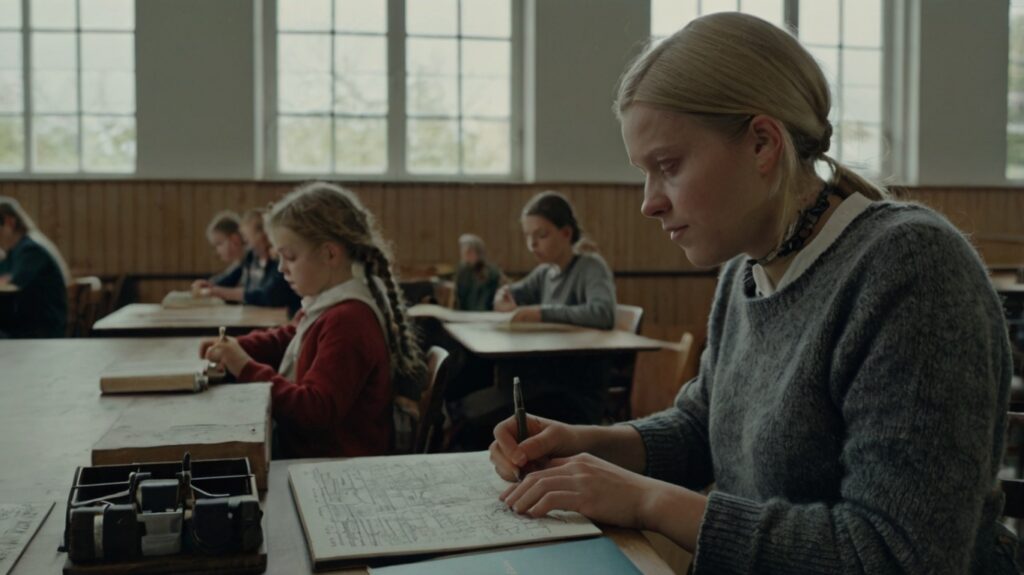
Danish children typically start in kindergarten (børnehave) around ages 3–6. Here, learning is play-based and emphasizes creativity, social skills, and curiosity. Teachers focus on encouraging children to explore and ask questions, rather than simply memorizing facts.
- Play-based learning: Children engage in structured and unstructured play that develops cognitive and emotional skills.
- Social skills: Collaboration, empathy, and communication are highly emphasized from an early age.
- Creativity and curiosity: Activities like arts, crafts, storytelling, and music are central to daily routines.
This approach ensures that children develop a love for learning naturally, rather than seeing it as a chore.
Primary and Secondary Education
Compulsory education in Denmark lasts from ages 6 to 16. The folkeskole (public school) system combines traditional subjects like mathematics, science, and language with arts, physical education, and social studies.
- Student-centered approach: Teachers encourage critical thinking and problem-solving.
- Cultural integration: Lessons often include Danish history, literature, and cultural traditions.
- Support systems: Schools provide guidance and extra help to ensure no child is left behind, reflecting Denmark’s value of equality in education.
Higher Education and Lifelong Learning
Denmark is home to several prestigious universities, such as the University of Copenhagen and Aarhus University, which attract both local and international students. Higher education is largely tuition-free for Danish and EU students, highlighting the nation’s commitment to accessible knowledge.
Beyond formal education, adult learning programs and folk high schools (højskoler) offer opportunities for personal and professional development. These institutions often focus on humanities, arts, and practical skills, allowing adults to continue learning throughout life.
H2: The Danish Love for Culture
Denmark’s appreciation for culture goes hand in hand with its love for learning. Cultural engagement is not just a hobby; it’s considered essential for personal growth and social cohesion.
Art and Museums
Denmark boasts a wealth of art institutions, ranging from national museums to local galleries. The National Museum of Denmark in Copenhagen provides an in-depth look into Danish history, archaeology, and cultural evolution. Other notable examples include:
- Louisiana Museum of Modern Art: Renowned for contemporary art and its scenic seaside location.
- ARoS Aarhus Art Museum: Famous for its modern exhibitions and the “Your Rainbow Panorama” installation.
Museums often host interactive programs, workshops, and educational tours, making art accessible and engaging for all ages.
Literature and Storytelling
Danish literature has a rich tradition, from fairy tales by Hans Christian Andersen to contemporary novels exploring modern society. Reading and storytelling are deeply valued, and public libraries in Denmark are free and widely used.
- Libraries as cultural hubs: Many libraries offer workshops, reading clubs, and events for children and adults.
- Promoting literacy: Denmark emphasizes reading from a young age, contributing to high literacy rates and cultural awareness.
Music, Theater, and Festivals
Cultural engagement is a vibrant part of Danish life. Music festivals, theater performances, and community events are common. Examples include:
- Roskilde Festival: One of Europe’s largest music festivals, attracting international artists and thousands of visitors.
- Copenhagen Jazz Festival: Celebrates jazz with performances across the city.
- Local theater: Many towns maintain small theaters that host plays, dance performances, and cultural workshops.
These cultural experiences encourage social connection, creativity, and exposure to new ideas.
Balancing Tradition and Modernity
One of the most fascinating aspects of Danish culture is how it balances heritage with innovation. Denmark embraces technology, sustainability, and modern education methods, while still cherishing its historical roots.
- Innovation in education: Danish schools integrate digital learning tools and modern pedagogical approaches.
- Preserving heritage: Cultural traditions, like folk dances, hygge, and Danish festivals, remain strong, fostering a sense of identity and community.
- Creative industries: Denmark is a hub for design, architecture, and media, blending traditional craftsmanship with modern aesthetics.
This balance ensures that learning and cultural appreciation are not static; they evolve alongside society while maintaining deep roots.
How Danes Cultivate Intellectual Curiosity
Curiosity is a key cultural value in Denmark. Danes are encouraged to ask questions, explore new topics, and develop critical thinking skills.
Family and Social Influence
- Parents actively involve children in discussions about society, politics, and culture.
- Community clubs and sports associations foster teamwork and social learning.
- Public debates and access to free information empower citizens to form educated opinions.
Workplace and Professional Learning
Lifelong learning extends into professional life. Many Danish companies support continuous education through:
- Training programs and workshops
- Opportunities for career advancement via formal education
- Encouragement to attend conferences, seminars, and courses
This culture creates a workforce that values knowledge, creativity, and adaptability.
Benefits of Denmark’s Learning and Cultural Approach
The Danish model of learning and cultural engagement has measurable impacts on society:
- High literacy and education levels: Over 99% of adults in Denmark are literate, and higher education participation is above the EU average.
- Innovative and skilled workforce: Denmark consistently ranks highly in innovation indices.
- Social cohesion: Cultural engagement fosters community bonds and inclusivity.
- Personal well-being: Lifelong learning and cultural participation enhance mental health and life satisfaction.
These benefits show why Denmark is often ranked as one of the happiest and most well-educated countries in the world.
Tips for Experiencing Denmark’s Learning and Culture
Whether you’re visiting or planning to move, there are practical ways to immerse yourself in Denmark’s culture:
- Visit museums and galleries: Take advantage of free or discounted days at museums.
- Attend cultural festivals: From music to literature, festivals offer firsthand experience of Danish creativity.
- Explore folk high schools: Participate in workshops or courses, even as a short-term visitor.
- Engage in local libraries: Many offer events in English for international visitors.
- Learn the language: Even basic Danish helps you access cultural nuances and traditions.
- Participate in community activities: Sports, clubs, and volunteer organizations provide insight into Danish social life.
Conclusion: Embrace Denmark’s Beautiful Love for Learning and Culture
Denmark’s approach to learning and culture is more than just education—it’s a way of life. From childhood development to lifelong learning, and from traditional festivals to modern arts, Danes have built a society that celebrates knowledge, creativity, and personal growth.
For travelers, students, or prospective residents, understanding and participating in this culture can enrich your experience and provide insights into what makes Denmark truly special.
Embrace opportunities to learn, explore cultural traditions, and connect with local communities. By doing so, you’ll not only appreciate Denmark’s unique values but also cultivate your own love for learning and culture.
Call-to-action: Share your experiences in Denmark, comment on your favorite cultural discovery, or explore more about Danish life on our website.