Why Denmark Is Sending Syrian Refugees Back: A Comprehensive Guide
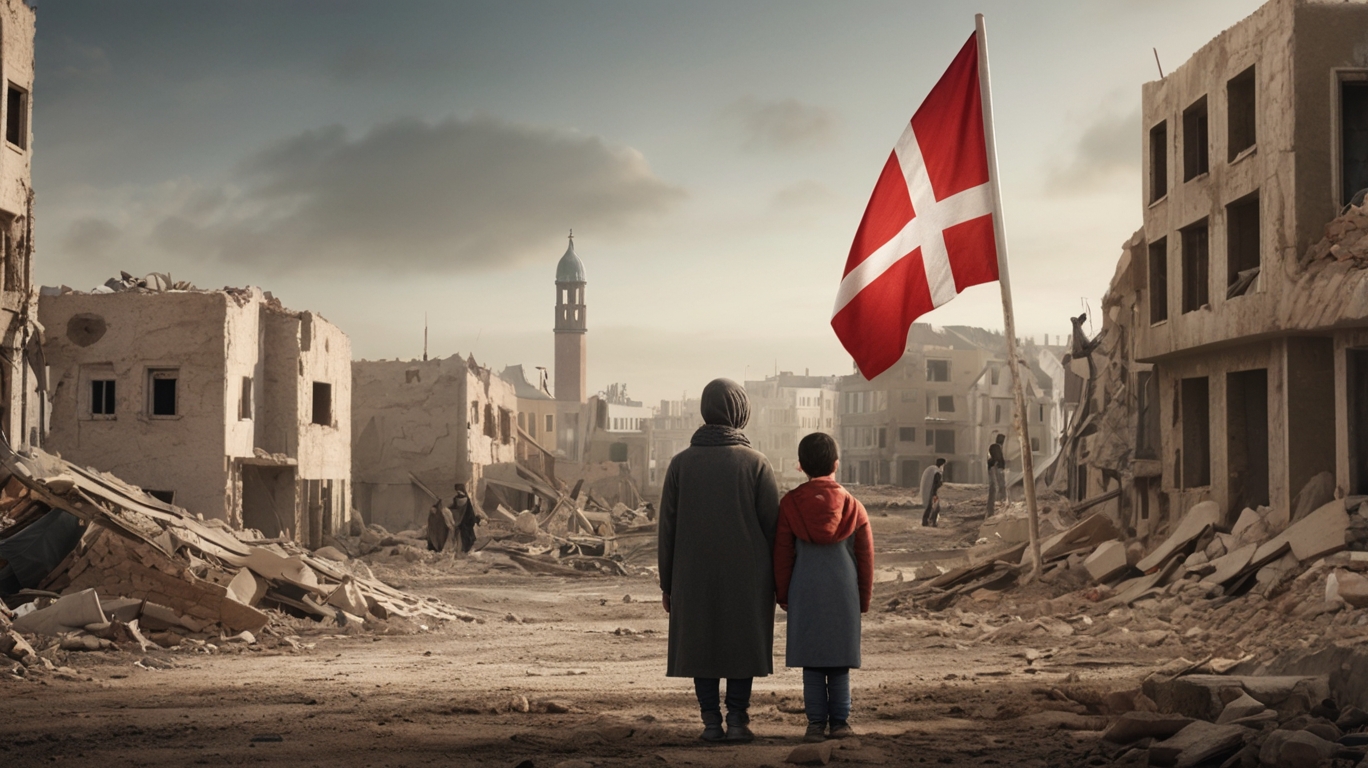
Denmark, long celebrated for its humanitarian efforts and progressive policies, has recently made headlines for a controversial decision: sending Syrian refugees back to their homeland. This move has sparked debates worldwide, raising questions about the balance between national interests and international humanitarian obligations. In this article, we’ll delve into the reasons behind Denmark’s policy, its implications, and what it means for those considering moving to Denmark or understanding its immigration landscape.
The Shift in Denmark’s Refugee Policy
From Humanitarian Leadership to Strict Repatriation
Historically, Denmark was seen as a beacon of humanitarian aid, offering refuge to those in need. However, over the past decade, the country’s stance has shifted. In 2019, the Danish government declared its intention to achieve “zero asylum seekers,” signaling a move towards stricter immigration policies . This shift culminated in the decision to revoke residency permits for Syrian refugees, starting with those from Damascus and its surrounding areas.
The Legal Framework Behind the Decision
Denmark’s legal system allows for the revocation of refugee status if the conditions in the home country improve. The Danish Immigration Service assessed that areas like Damascus had become sufficiently stable, leading to the conclusion that refugees could safely return .
The Humanitarian Perspective
Risks Faced by Returnees
Human rights organizations, including Amnesty International and Human Rights Watch, have expressed grave concerns over Denmark’s policy. They argue that Syria remains unsafe, with ongoing risks of detention, torture, and forced conscription for returnees . Despite claims of improved conditions, many areas in Syria are still recovering from years of conflict, and the infrastructure necessary to support returning populations is lacking.
The Psychological Impact
For many refugees, the prospect of returning to Syria is not just a physical journey but an emotional and psychological challenge. Having rebuilt their lives in Denmark, they now face uncertainty and fear about their future. The decision to send them back disrupts the stability they’ve found and places them in potentially perilous situations.
Denmark’s Justifications
Political and Economic Considerations
The Danish government justifies its actions by citing the improved security situation in certain parts of Syria. They argue that the resources allocated to supporting refugees could be better utilized elsewhere, especially given the country’s own social and economic challenges .
Public Opinion and Political Support
The policy has garnered support among certain segments of the Danish population, particularly those concerned about immigration and integration. The government’s stance resonates with voters who prioritize national security and economic stability over international humanitarian obligations.
International Reactions
Criticism from the European Union
Denmark’s decision has drawn criticism from various EU bodies and member states. The European Parliament has expressed concerns that the policy undermines the EU’s commitment to human rights and the protection of refugees .
Global Human Rights Organizations
Organizations such as the United Nations High Commissioner for Refugees (UNHCR) have also voiced opposition, emphasizing the principle of non-refoulement, which prohibits returning individuals to countries where they face serious threats to their life or freedom .
The Impact on Prospective Immigrants
Understanding Denmark’s Immigration Landscape
For individuals considering moving to Denmark, it’s crucial to understand the current immigration policies. The emphasis on repatriation over integration means that potential immigrants may face stricter scrutiny and fewer opportunities for asylum.
Advice for Aspiring Immigrants
Prospective immigrants should stay informed about Denmark’s evolving policies and consider alternative pathways, such as work or study visas, which may offer more stability and clearer prospects.
Looking Ahead: The Future of Denmark’s Refugee Policy
Potential Policy Reversals
While the current administration maintains its stance, shifts in political leadership or public opinion could lead to changes in Denmark’s refugee policies. Monitoring the political climate will be essential for understanding future directions.
Broader Implications for Europe
Denmark’s approach may influence other European nations grappling with similar issues. The balance between humanitarian responsibilities and national interests remains a contentious topic across the continent.
Conclusion
Denmark’s decision to send Syrian refugees back is a multifaceted issue involving legal, humanitarian, political, and social considerations. While the government’s rationale centers on improved conditions in Syria and national interests, the concerns raised by human rights organizations highlight the complexities of such a policy. For those looking to understand or move to Denmark, staying informed about these developments is crucial, as immigration policies continue to evolve in response to both domestic and international pressures.
P20250510-007