Introduction: Why Denmark Should Be on Your Radar
If you’re thinking about visiting Denmark for the first time, you’re not alone. This small Scandinavian country often makes headlines as one of the world’s happiest nations, and it’s increasingly becoming a must-see destination for travelers and expats.
But what’s it really like to visit Denmark? How does everyday life work? And what should a first-time visitor expect — beyond the clichés of Vikings, Lego, and pastries?
Whether you’re planning a short holiday, a study semester, or even a permanent move, this guide will walk you through everything you need to know. From Danish culture and customs to practical tips on money, transport, and food, you’ll get a clear picture of how Denmark works — without the confusion or surprises.
A Snapshot of Denmark
Before diving into travel tips, let’s place Denmark on the map.
- Location: Denmark is part of Scandinavia, bordered by Germany to the south and connected to Sweden via the Øresund Bridge. It’s surrounded by the North Sea and the Baltic Sea.
- Population: Around 5.9 million people live here (2025).
- Language: Danish is the official language, but English is widely spoken.
- Capital: Copenhagen, located on the island of Zealand, is Denmark’s largest city and main hub for culture and business.
- Currency: The Danish krone (DKK), not the euro.
Despite its small size, Denmark has global influence — from design and architecture to renewable energy and food culture.
Understanding Danish Culture
Hygge: More Than a Buzzword
You’ve probably heard of hygge, often translated as coziness. But hygge is more than candles and blankets. It’s about slowing down, enjoying simple pleasures, and spending quality time with others. Visitors will notice it in cafés with soft lighting, in homes where shoes come off at the door, and in the national love of pastries with coffee.
Trust and Equality
Denmark scores high on social trust. People leave prams outside cafés, bikes unlocked in small towns, and wallets often get returned if lost. For newcomers, this can feel surprising — but it reflects a culture where equality and honesty are deeply valued.
Reserved but Friendly
Danes may seem quiet or reserved at first. Small talk with strangers isn’t common. But once you get to know them, Danes are warm, loyal friends. Don’t mistake quietness for coldness — it’s part of their cultural DNA.
Practical Tips for First-Time Visitors
Getting Around
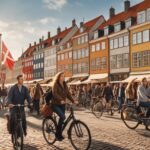
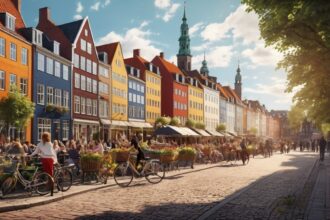
- Bicycles: Denmark is a cycling nation. In Copenhagen, more bikes than cars cross the city center daily. Renting a bike is one of the best ways to explore.
- Public Transport: Trains, buses, and metro lines are efficient, clean, and punctual. A “Rejsekort” travel card makes journeys easier.
- Walking: Danish cities are compact and pedestrian-friendly.
Money and Payments
- Currency: Danish Krone (DKK).
- Cards Over Cash: Most shops, even small bakeries, prefer card payments. Some don’t accept cash at all.
- Tipping: Not obligatory. Service staff are paid fairly. Rounding up a bill or leaving 5-10% for excellent service is optional.
Language Basics
While English is spoken widely, learning a few Danish phrases helps:
- “Hej” (Hi)
- “Tak” (Thank you)
- “Undskyld” (Excuse me)
Don’t worry if pronunciation is tricky — Danes appreciate the effort.
Must-See Attractions vs. Local Experiences
Classic Tourist Highlights
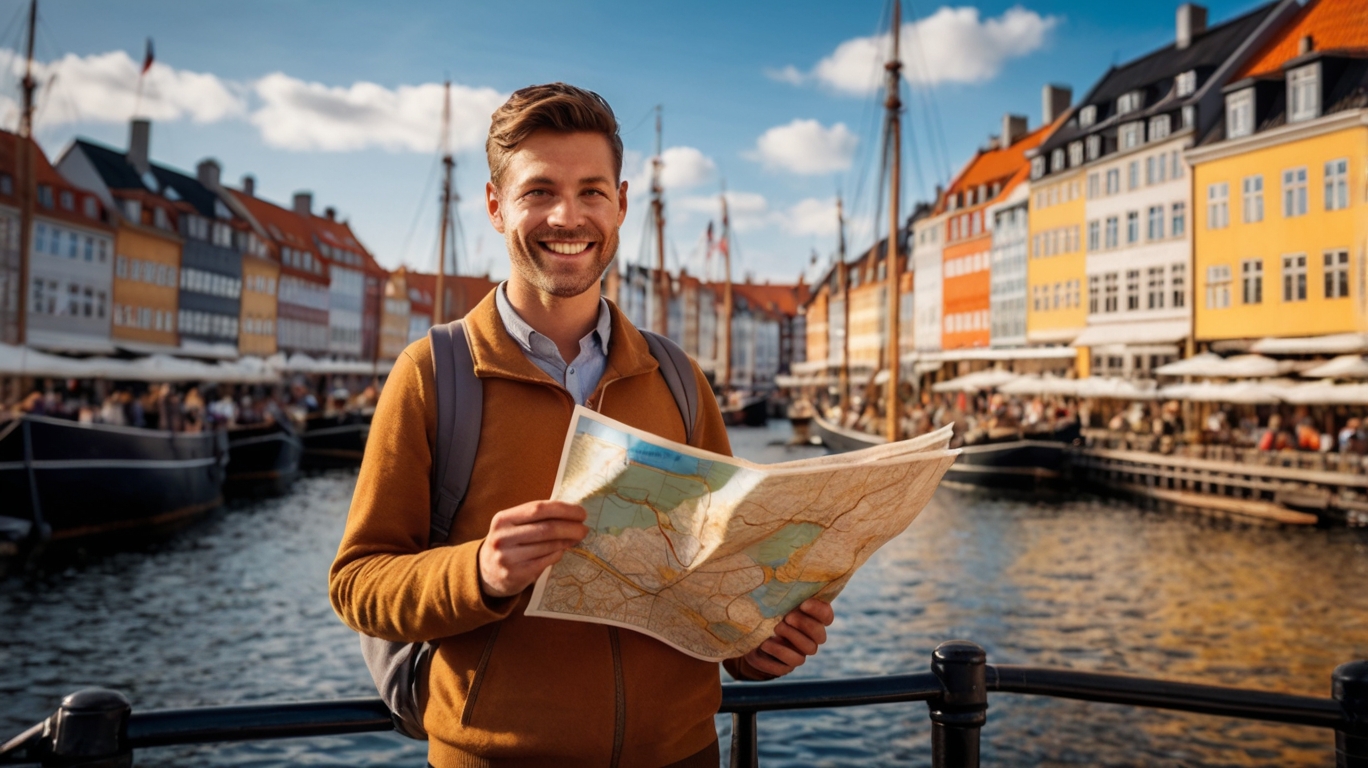
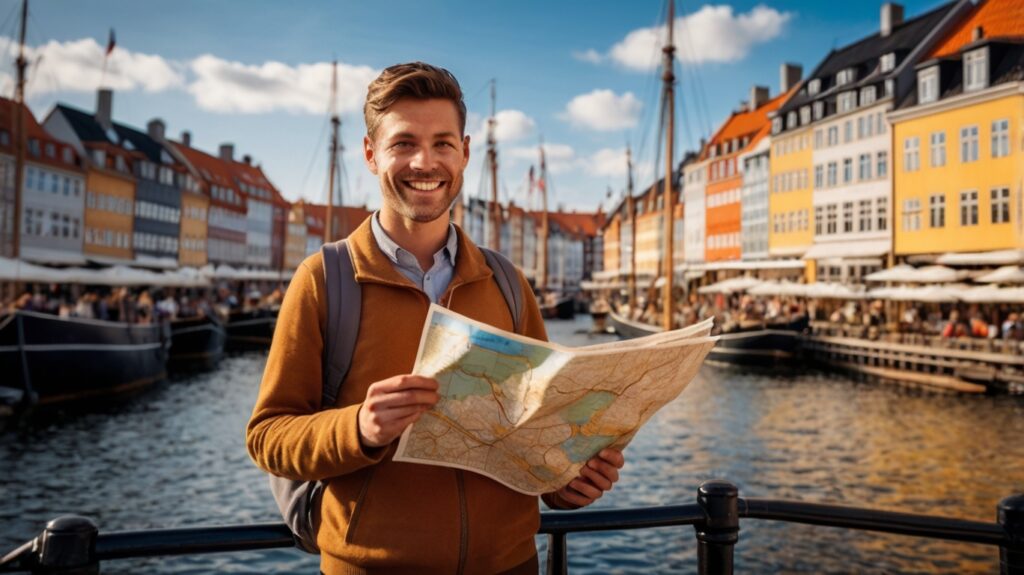
- Nyhavn: The colorful harbor in Copenhagen, packed with history and restaurants.
- Tivoli Gardens: One of the world’s oldest amusement parks, magical day and night.
- The Little Mermaid: Small but iconic statue inspired by Hans Christian Andersen’s fairytale.
- Castles: Kronborg (Hamlet’s castle) and Frederiksborg are highlights of Danish history.
Living Like a Local
- Neighborhood Cafés: Try Vesterbro in Copenhagen or Latin Quarter in Aarhus.
- Food Markets: Torvehallerne in Copenhagen offers fresh produce and gourmet snacks.
- Festivals: Join midsummer bonfires (Sankt Hans Aften) or cozy Christmas markets.
- Everyday Hygge: Grab a pastry and coffee, sit by the water, and watch cyclists go by.
What Tourists Often Get Wrong
Weather Expectations
Denmark’s weather is unpredictable. Summers are mild (20–25°C), but rain can come at any time. Winters are cold, dark, and windy. Always pack layers and a waterproof jacket.
Cultural Misunderstandings
- Don’t expect exaggerated friendliness. Politeness is quiet and subtle.
- Queuing rules are strict — cutting in line is frowned upon.
- Loud public behavior (like shouting on trains) feels out of place.
Costs
Denmark is expensive. Coffee may cost €5, and dinner €25–40. Budget wisely, and look for street food markets, bakeries, or supermarkets for affordable meals.
Food and Drink: What to Try
- Smørrebrød: Open-faced sandwiches with toppings like herring, eggs, or roast beef.
- Wienerbrød: The famous Danish pastry, flaky and sweet.
- Frikadeller: Danish-style meatballs.
- Pølsevogn: Hot dog stands — a street food classic.
- Drinks: Carlsberg and Tuborg are Danish beers, while aquavit is a traditional spirit.
Food culture is shifting too — with New Nordic Cuisine led by restaurants like Noma, emphasizing local, seasonal ingredients.
Festivals and Events
- Copenhagen Jazz Festival (July): City-wide music celebration.
- Roskilde Festival (June/July): One of Europe’s biggest music festivals.
- Christmas Markets (December): Tivoli Gardens and city squares come alive with lights.
- Fastelavn (February): A carnival tradition where kids dress up and hit barrels filled with candy.
Thinking About Moving to Denmark?
For some visitors, a holiday is just the start. Denmark often attracts expats for work, study, or family reasons.
Pros of Living in Denmark
- High quality of life
- Free healthcare and education
- Strong work-life balance
- Safe and sustainable cities
Challenges for Expats
- High cost of living
- Long, dark winters
- Learning Danish takes effort
- Navigating bureaucracy can be complex
Resources and Tips
- VisitDenmark (official tourism site): travel guides and events.
- Rejseplanen app: plan public transport journeys.
- DMI (Danish Meteorological Institute): accurate weather forecasts.
Conclusion: Visiting Denmark for the First Time
Visiting Denmark for the first time is more than ticking off tourist attractions — it’s about understanding how the country works. From the cozy concept of hygge to the efficiency of public transport, from pricey dinners to free public museums, Denmark is a place that combines tradition, modern living, and cultural quirks.
The key is to embrace both sides: enjoy the highlights, but also take time to live like a local. Bring layers, keep an open mind, and don’t be surprised if Denmark leaves you wanting to return — or even stay.
👉 What would you do first: explore the classic landmarks, or dive into local Danish life? Share your thoughts in the comments!
P20250621-001