Introduction: Why Copenhagen Is More Than Just Pictures
Copenhagen, Denmark’s vibrant capital, is a city that effortlessly blends history, modern innovation, and cozy charm. Many travelers only scratch the surface, snapping photos of colorful buildings or iconic landmarks without understanding the city’s unique lifestyle. But the Danish capitalis more than just a pretty postcard—it’s a place where culture, sustainability, and everyday Danish life meet.
If you’re planning to travel, move, or simply learn about Denmark, this guide will help you experience Copenhagen like never before. We’ll explore hidden gems, local customs, and insider tips that tourists often miss. By the end, you’ll see why the Danish capital is truly magical.
A Brief History of Copenhagen
Copenhagen’s story stretches back over a thousand years. Founded as a Viking fishing village in the 10th century, it became Denmark’s capital in the 15th century. Today, Copenhagen balances medieval charm with modern innovation, making it a city that appeals to history lovers and contemporary explorers alike.
- Historical landmarks: From Rosenborg Castle to the Round Tower, Copenhagen’s architecture reflects its royal and mercantile past.
- Cultural influence: Danish design and art movements have shaped not just the city but global aesthetics.
Understanding this historical context will help you appreciate not only the sights but also the city’s lifestyle and values.
Nyhavn: Postcard Perfect, But More Than Meets the Eye
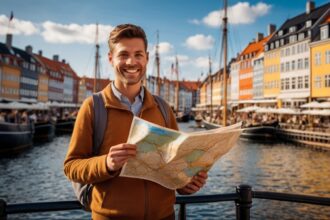
Nyhavn is arguably the most photographed spot in Copenhagen. The colorful canal houses, lined with cafes and restaurants, appear on every Instagram feed. But there’s more to Nyhavn than the tourist photo.
From Gritty Port to Vibrant Canal
Historically, Nyhavn was a working waterfront filled with sailors, merchants, and rowdy taverns. Today, the area has been transformed into a lively space for dining and socializing.
- Local tip: Walk past the crowded areas toward the far end of the canal near house number 67, where Hans Christian Andersen once lived. Here, you’ll find a peaceful spot with locals enjoying beers from nearby kiosks.
- Why it matters: Experiencing Nyhavn like a local provides insight into Danish social life and the concept of “hygge”—coziness and contentment.
The Copenhagen Little Mermaid and Kastellet
No trip to Copenhagen is complete without visiting the Little Mermaid statue, inspired by Hans Christian Andersen’s fairy tale. However, the statue is much smaller than many expect.
Discovering Danish Understatement
The statue reflects Denmark’s cultural value of understatement and simplicity. It’s not about grandeur; it’s about quiet beauty.
- Insider tip: Right next to the statue is Kastellet, a star-shaped fortress built in the 1600s, still used by the Danish military but open to the public. Locals walk, jog, and play here daily.
- Takeaway: Visiting the Little Mermaid with Kastellet allows you to see both Danish heritage and everyday life in Copenhagen.
Tivoli Gardens: More Than an Amusement Park in the middle of Copenhagen
Tivoli Gardens, the world’s second-oldest amusement park, opened in 1843 and inspired Walt Disney himself. Yet, Tivoli is not just about rides.
Experiencing Danish Hygge
- Evening magic: Fairy lights, gardens, and open-air concerts make Tivoli a cozy escape for locals after work.
- Cost-conscious tips: Many locals skip the rides, enjoying only the entrance fee to soak in the ambiance.
- Why it’s important: Understanding how Danes enjoy leisure can transform your visit from a typical tourist experience to an authentic cultural moment.
Christiania: The Free Town
Christiania is Copenhagen’s famous “Free Town,” a self-governed community founded by artists and squatters in 1971.
Exploring Alternative Copenhagen
- Unique features: Street art, handmade homes, and communal gardens define Christiania’s charm.
- Controversial aspects: Certain areas, like the “Green Light District,” are less tourist-friendly.
- Cultural insight: Visiting Christiania shows the Danish appreciation for creativity, freedom, and social experiments.
Biking in Copenhagen: Freedom on Two Wheels
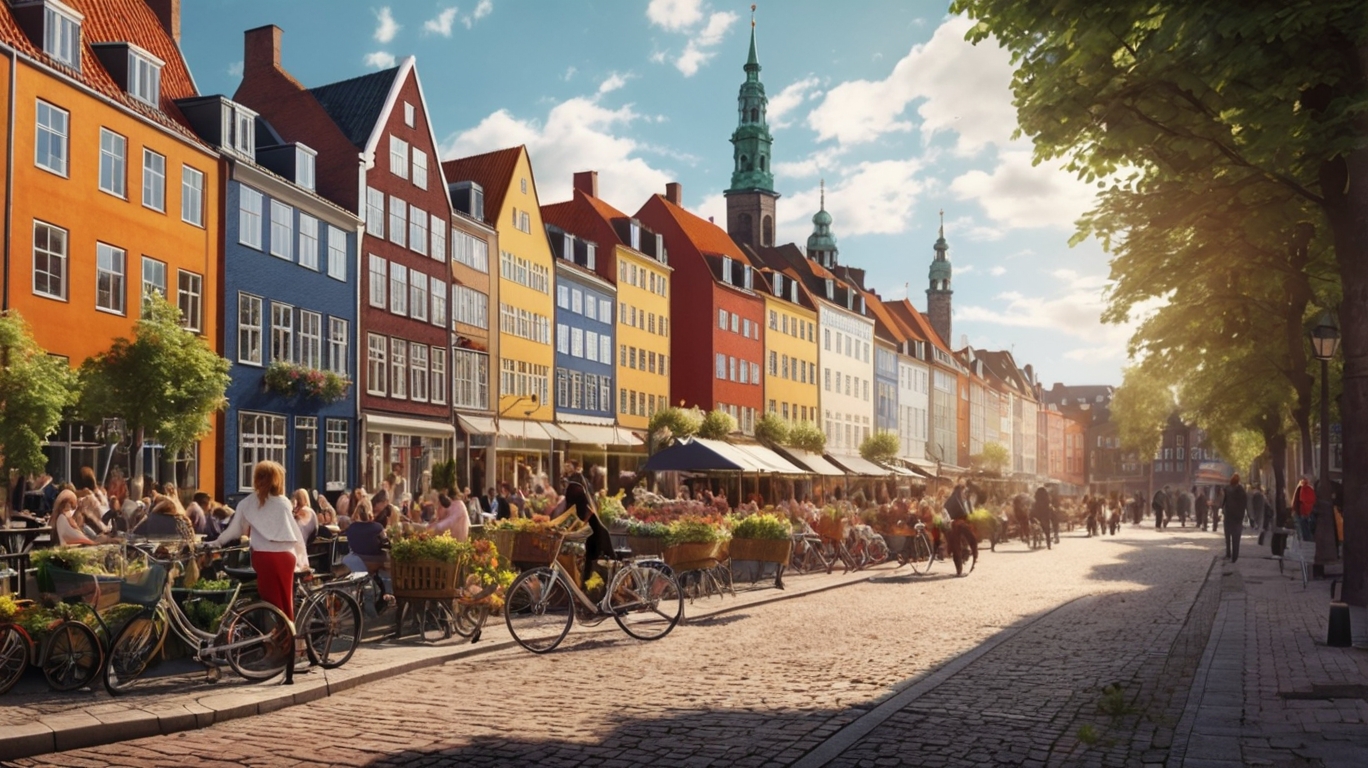
Biking is not just a mode of transport in Copenhagen—it’s a lifestyle. With more bikes than cars, cycling is central to daily life.
Tips for Visitors
- Start slow: Begin in quieter districts like Østerbro or Nørrebro.
- Safety first: Learn local rules—fast cyclists expect predictability.
- Hidden benefits: Biking allows you to explore hidden alleys, waterfront paths, and parks inaccessible by car.
Cycling is an excellent way to understand the city’s layout and integrate into Danish daily life.
Smørrebrød: Taste of Danish Culture
Smørrebrød, Denmark’s famous open-faced sandwiches, is more than food—it’s history on a plate.
- Classic toppings: Raw herring, liver pate, eggs with shrimp and dill.
- Where to try: Torvehallerne Food Market near Nørreport Station offers safe tasting portions.
- Cultural insight: Eating Smørrebrød teaches you about Danish dining customs, flavor profiles, and social meals.
Hidden Gems: Superkilen Park & The Cisterns
To see the less-touristy side of Copenhagen, explore Superkilen Park and The Cisterns.
Superkilen Park
- Celebrates multiculturalism with installations from countries around the world.
- Locals use it for skateboarding, walking, and community gatherings.
The Cisterns
- An underground art space in a former water reservoir.
- Showcases experimental and immersive art exhibitions.
These sites highlight Copenhagen’s creativity, diversity, and appreciation for public spaces.
Understanding Danish Culture and Lifestyle
Copenhagen is a city of contrasts: historic yet modern, bustling yet serene. Understanding the culture enhances your experience.
- Hygge: Cozy moments, often shared with friends or family.
- Sustainability: Copenhagen is a leader in green energy, cycling, and eco-friendly design.
- Social equality: Denmark values fairness, inclusivity, and quality of life.
Engaging with locals, observing customs, and trying traditional foods helps you connect with Danish society beyond the surface.
Practical Tips for Travelers and Expats
Transportation
- Bikes are common; public transport is efficient and reliable.
- Consider a Copenhagen Card for unlimited access to attractions and transport.
Language
- Most Danes speak English fluently, but learning basic Danish greetings is appreciated.
Budgeting
- Copenhagen can be expensive. Dining at local markets, cafes, and casual eateries saves money.
- Explore free attractions: parks, historic streets, and art installations.
Conclusion: Discover Copenhagen Like a Local
Copenhagen isn’t just a city to check off a travel list—it’s a living experience. From quiet canals and star-shaped fortresses to bustling markets and alternative communities, every corner has a story.
- Take time to explore beyond tourist hotspots.
- Try local food, bike like a Dane, and embrace hygge.
- Visit both iconic landmarks and hidden gems.
By approaching Copenhagen with curiosity and openness, you’ll uncover a side of the city most visitors never see.
Share your favorite Copenhagen experiences in the comments, explore more guides on DenmarkExplained.com, and subscribe to stay updated on Danish culture and travel tips.