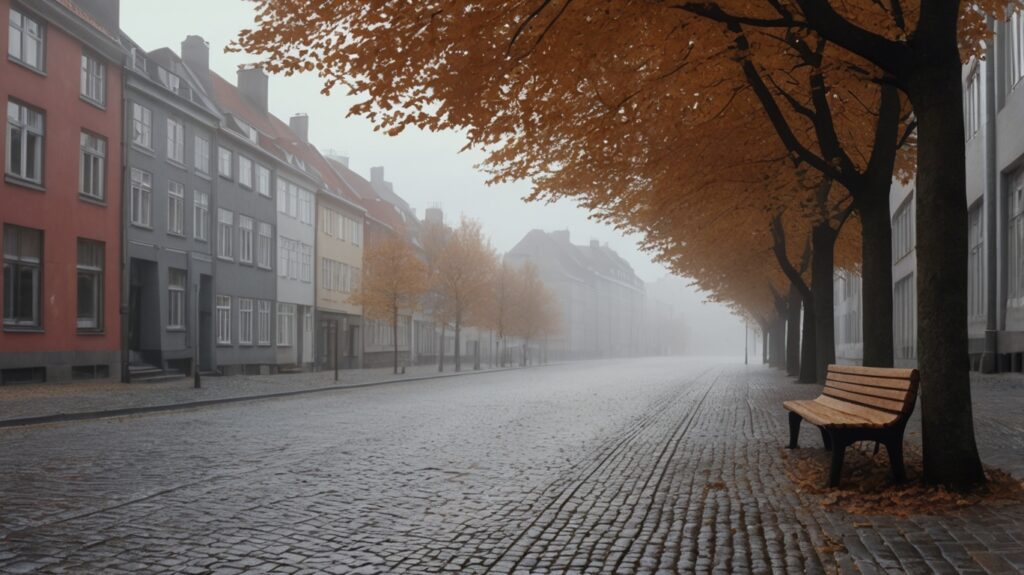
Retirement—the golden phase of life when one envisions serene landscapes, leisurely pursuits, and the culmination of years of hard work to retire from. For many, Denmark, with its picturesque cities and renowned welfare system, emerges as an idyllic destination to spend these cherished years. However, beneath the surface of hygge and sustainability lies a complex tapestry of challenges that potential retirees must navigate.
The Allure of Denmark
Denmark’s reputation as a haven for retirees isn’t unfounded. Consistently ranked among the top countries for pension systems, it boasts high-quality healthcare, political stability, and a populace where approximately 86% speak English, easing the transition for expatriates. The nation’s commitment to sustainability and its low crime rates further enhance its appeal. Unbiased
The Financial Reality
Yet, the dream of retiring in Denmark comes with a hefty price tag. The cost of living is notably high, with expenses such as rent, utilities, and groceries surpassing those in many other countries. For instance, furnished accommodation can average around $2,260 per month, and when combined with other living expenses, a retiree might find their savings depleting faster than anticipated. Unbiased
Moreover, Denmark’s tax system is robust. Retirement pensions are taxed at a rate of 15.3%, which can significantly impact one’s disposable income. To be eligible for a full Danish pension, one must have lived and worked in the country for a minimum of 40 years—a criterion that many foreign retirees may not meet. Unbiased
Navigating the Visa Maze
The bureaucratic intricacies add another layer of complexity. Denmark does not offer a specific retirement visa. Prospective retirees must explore alternative avenues, such as obtaining a work visa or being sponsored by a partner. This lack of a straightforward pathway can deter many from pursuing their Danish retirement dream. Unbiased
The Shifting Sands of Retirement Age
Denmark’s retirement landscape is evolving. While the current average retirement age hovers around 65.5, legislative changes aim to increase this to 75 by 2070. This gradual shift reflects the government’s response to longer life expectancies and the need to sustain the pension system. However, it also means that individuals may have to work longer before accessing retirement benefits. Unbiased+1Dansk Arbejdsgiverforening+1
A Silver Lining?
Interestingly, some seniors are redefining retirement by venturing into entrepreneurship. A survey revealed that in 2017, 2,594 individuals over the age of 55 started their own businesses—a 17.3% increase compared to 2014. This trend underscores a shift in perspective, where retirement is no longer seen as a cessation of work but an opportunity for new beginnings. xinhuanet.com
The Crossroads
As one stands at the crossroads of this decision, a poignant question arises:
Is the dream of retiring in Denmark worth the financial and bureaucratic hurdles, or should one seek alternative destinations that offer a more straightforward and affordable retirement experience?
This contemplation requires a delicate balance between aspiration and pragmatism, urging individuals to weigh their desires against the tangible challenges that lie ahead.
P20250330-002
You May Like:
-
How Danish News Built a Surprisingly Calm Fascinating Media Culture
News & coffee: Imagine a quiet morning in Denmark. The sky is grey.You sit with a warm cup of coffee. Then you open the news. The headlines talks about politics, schools, the weather, and the world.Some stories are serious.Some stories talk about problems. But the coverage still feels calm. No shouting.No loud drama.Just clear information.…
-
Why Proven Ways Make People Secure and Happy
Denmark built its system slowly. Leaders worked step by step. Their goal was simple. Life should feel fair and stable. Because of this, rules do not change very often. As a result, people trust the system. Meanwhile, the United States showed a different style during the Trump years. Politics moved fast. Big choices came quickly.…
-
I Spent 7 Days in The Great Danish Winter Darkness
Darkness is the first thing you notice in a Danish winter. It is not silence. Instead, it is a quiet that slowly settles over everything. Streets feel calmer. Houses glow softly from inside. Even the air feels still. Winter changes the rhythm of Denmark. The sun rises late. Sometimes it hides behind clouds. When daylight…
-
How Kids Explore Risky Play Better
Playgrounds in Denmark often surprise visitors. Many people expect soft floors and very safe equipment. However, Danish playgrounds feel more adventurous. Children climb tall wooden towers. Others balance on logs or rope bridges. Some build huts with planks and ropes. At first, the space may look messy or even risky. Yet the design is intentional.…
-
How Denmark Builds a Powerful World of Trust
Introduction Have you ever walked down a Copenhagen street and noticed a pram (baby carriage) left outside a café, or seen children playing freely without adults hovering? For many visitors, these are striking signs that something about Danish life feels different. It’s not just safety, it’s trust—and more importantly, this trust is taught from a…
-
The Welfare Myths: Hidden Truths About Life in Denmark
Introduction to Copenhagen: Beyond the Stereotypes When most people think of Copenhagen, a few familiar images pop up: bicycles, colorful houses along the canal, happy people, and maybe even fairy tales written by a certain famous author. But here’s the truth—you might be wrong about Copenhagen. For travelers, expats, and curious readers, the Danish capital…