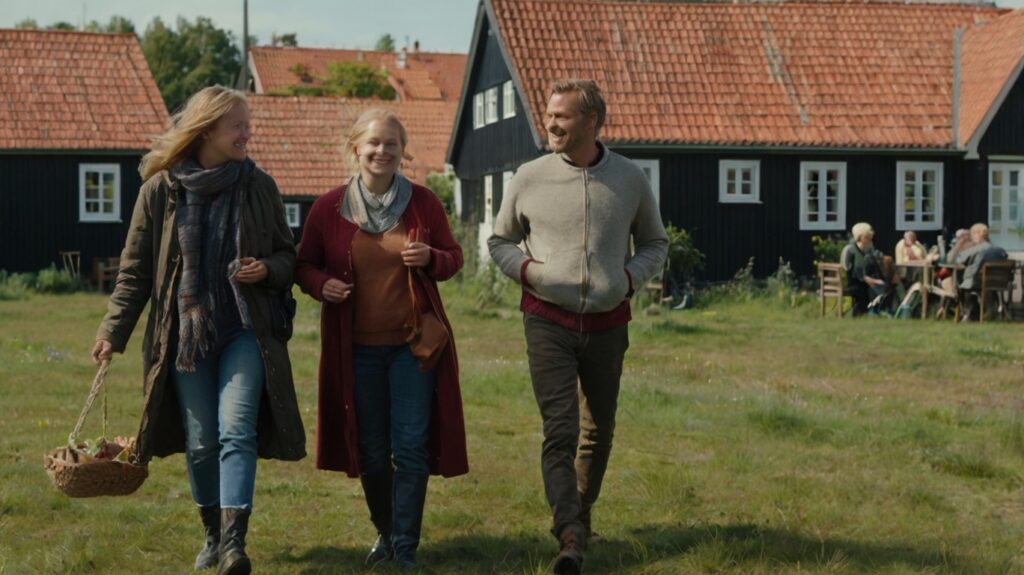
Community and trust are deeply embedded in the Danish way of life. Denmark is often regarded as one of the happiest countries in the world, and this sense of well-being is largely attributed to the strong community bonds that form the foundation of Danish society. In this chapter, we will explore how building strong social connections, engaging in local activities, and contributing to one’s community can significantly enhance overall well-being. By understanding and embracing the Danish concept of community spirit, individuals can cultivate deeper relationships, improve their mental and emotional health, and contribute to a society where everyone feels supported and valued.
The Importance of Community in Denmark
In Denmark, community is more than just a group of people living in the same area; it is a central pillar of social life. Danish culture places a strong emphasis on social cohesion and inclusivity, creating a sense of belonging for everyone. This ethos fosters trust, cooperation, and mutual respect, which are essential for the smooth functioning of society. Danish people tend to value relationships and prioritize spending time with their families, friends, and neighbors, which contributes to a feeling of connectedness.
Community spirit is often reflected in the country’s high levels of civic participation. In Denmark, people take an active role in both their local and national communities. This can be seen in the widespread involvement in volunteer work, local clubs, and organizations. The Danish trust in one another is also evident in the country’s social safety nets, which provide a level of support to individuals in times of need, further strengthening the bonds of solidarity and trust within the community.
Building Strong Social Connections
At the heart of any thriving community is the quality of relationships between its members. In Denmark, building strong social connections is not only a priority but a way of life. Danes are known for their sincerity and openness in social interactions, making it easy for newcomers to integrate into their communities. One key aspect of Danish social life is the concept of “hygge,” which refers to creating cozy, warm, and welcoming environments where people can gather and connect. Whether it’s sharing a meal, enjoying a cup of coffee, or simply spending time together, hygge creates opportunities for bonding and building lasting friendships.
Additionally, Danes place a great deal of importance on face-to-face interactions. While digital communication is widespread, the emphasis is often placed on engaging in meaningful conversations and building personal connections in person. Socializing with family and friends on a regular basis, participating in community events, and maintaining close-knit relationships all contribute to creating a strong sense of social support.
Engaging in Local Activities
Another way to foster community spirit is through active participation in local activities. In Denmark, there is no shortage of opportunities for individuals to get involved in various aspects of community life. From joining local sports teams, hobby groups, and cultural clubs to participating in neighborhood festivals and charity events, there is something for everyone. These activities not only provide an opportunity for individuals to meet others with similar interests but also help to create a sense of collective identity and purpose.
The Danish government also encourages community engagement through various initiatives that promote social integration and active citizenship. For example, many local municipalities offer programs that help individuals connect with one another and engage in community service. By volunteering their time, resources, or skills, individuals can contribute to the well-being of their communities while simultaneously benefiting from the social connections that are formed in the process.
Contributing to Your Community
Contributing to your community is not limited to social participation; it also involves giving back in meaningful ways that have a lasting impact. Danes take pride in being active participants in the social fabric of their communities, whether it’s through volunteer work, supporting local businesses, or advocating for causes that align with their values.
The Danish concept of “samskabelse,” or co-creation, emphasizes the idea that individuals should actively contribute to the development and well-being of society. This collaborative approach not only strengthens the community but also creates a sense of shared responsibility. When people come together to address common challenges, whether through environmental initiatives, local activism, or social projects, they strengthen the ties that bind them together.
The Benefits of Community Spirit
The benefits of community spirit are far-reaching, impacting both the individual and society as a whole. One of the most significant advantages is the enhancement of overall well-being. Studies have shown that individuals who have strong social connections and feel a sense of belonging are less likely to experience mental health issues, such as anxiety or depression. Social support plays a vital role in reducing stress and increasing life satisfaction, providing a sense of purpose and direction in life.
Moreover, a strong community fosters a sense of security and safety. In times of personal hardship or societal challenges, individuals can rely on their community for emotional and practical support. Whether it’s helping a neighbor during a difficult time or coming together in the face of a crisis, the sense of solidarity within a community creates a resilient network of care.
For society at large, community spirit leads to a more harmonious and cooperative environment. Trust and collaboration within communities contribute to social stability and help build a culture of mutual respect and understanding. People who feel connected to their communities are more likely to work together to address shared concerns and contribute to the common good.
Conclusion
The Danish concept of community spirit is an integral aspect of the country’s overall happiness and well-being. By fostering strong social connections, engaging in local activities, and contributing to the development of their communities, individuals can create a deeper sense of belonging and enhance their mental and emotional health. The Danish example demonstrates that a strong community is not only beneficial for the individual but also for society as a whole. As we navigate an increasingly digital and disconnected world, the lessons from Denmark’s emphasis on community spirit remind us of the importance of human connection and the value of contributing to the collective good.