Hygge is more than a cultural buzzword; it’s a way of life deeply rooted in the Danish spirit. Pronounced “hoo-guh,” this untranslatable term encompasses feelings of coziness, warmth, and contentment. Hygge invites individuals to savor the present moment, fostering a sense of well-being and connection. As the cornerstone of Danish culture, hygge reveals much about how the Danes prioritize happiness and balance in their lives.
The Origins of Hygge
The concept of hygge can be traced back to Old Norse, where the word “hygga” meant “to comfort” or “to console.” Over centuries, this idea evolved into a hallmark of Danish life, reflecting a collective desire to create safe, nurturing environments. While modern Denmark is often associated with hygge, its essence is universal: finding joy in life’s simple pleasures.
In a country known for long, dark winters, hygge serves as an antidote to the cold and gloom. It’s a cultural strategy for thriving despite adverse conditions, transforming even the harshest days into opportunities for warmth and intimacy.
Hygge in Danish Life
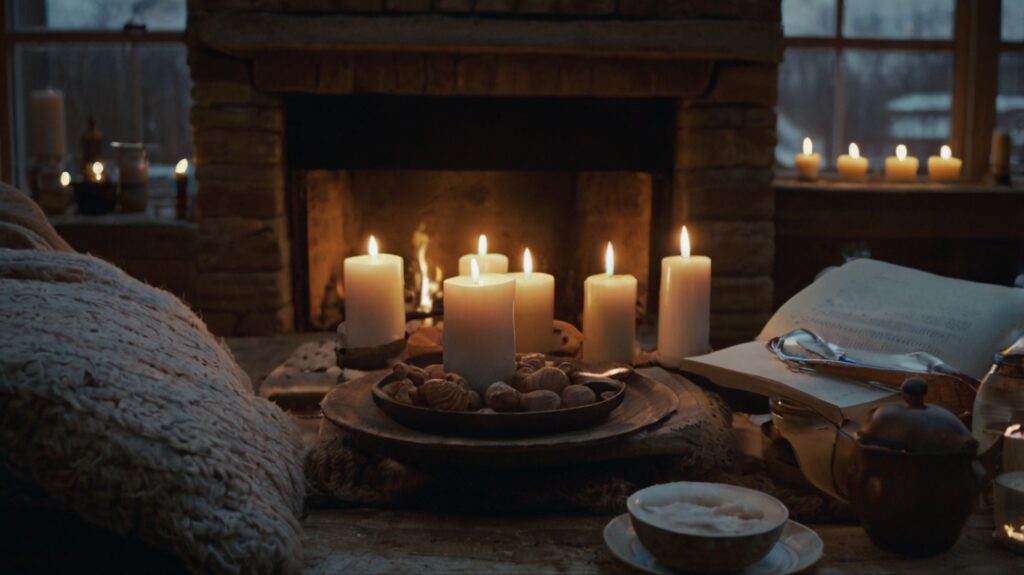
Hygge is omnipresent in Denmark, shaping everything from home décor to social interactions. Homes are designed with hygge in mind, featuring soft lighting, natural materials, and a neutral color palette that promotes tranquility. Candles, often called “hygge lights,” are essential—their warm glow creates an inviting atmosphere.
Hygge also plays a significant role in social life. Danes prioritize quality time with friends and family, often gathering around a dinner table to share hearty meals. These moments are not about extravagance but about togetherness and presence. Whether it’s sipping mulled wine by a crackling fire or enjoying a quiet evening with a book, hygge emphasizes contentment over materialism.
How to Create a Hyggelig Atmosphere
Creating hygge involves intentionally curating your environment and mindset to foster comfort and joy. Here are some practical ways to embrace this philosophy:
- Set the Mood with Lighting: Soft, warm lighting is key. Use candles, string lights, or lamps with low-intensity bulbs to create a cozy ambiance.
- Incorporate Textures: Surround yourself with soft, comforting textiles like wool blankets, plush cushions, and thick rugs.
- Simplify Your Space: A clutter-free environment helps reduce stress and enhances relaxation. Opt for a minimalist design that emphasizes functionality and beauty.
- Enjoy Simple Pleasures: Hygge thrives on everyday joys—a steaming cup of tea, a freshly baked pastry, or the sound of rain against the window.
- Connect with Loved Ones: Host intimate gatherings that prioritize connection and conversation. Share meals, play board games, or watch movies together.
- Be Present: Hygge is about mindfulness. Turn off distractions and fully engage with your surroundings and companions.
The Global Appeal of Hygge
While hygge originates in Denmark, its principles resonate globally. In a fast-paced, often stressful world, the idea of slowing down and savoring life’s moments is universally appealing. Hygge reminds us that happiness isn’t found in grand gestures but in the small, intentional acts that make life meaningful.
Conclusion
Hygge is a testament to the Danish commitment to happiness and well-being. By embracing this philosophy, anyone can cultivate a sense of warmth and contentment in their lives. Whether through candlelight dinners, cozy blankets, or heartfelt conversations, hygge offers a path to balance and joy. It’s a gentle reminder to find beauty in simplicity and to cherish the moments that truly matter.