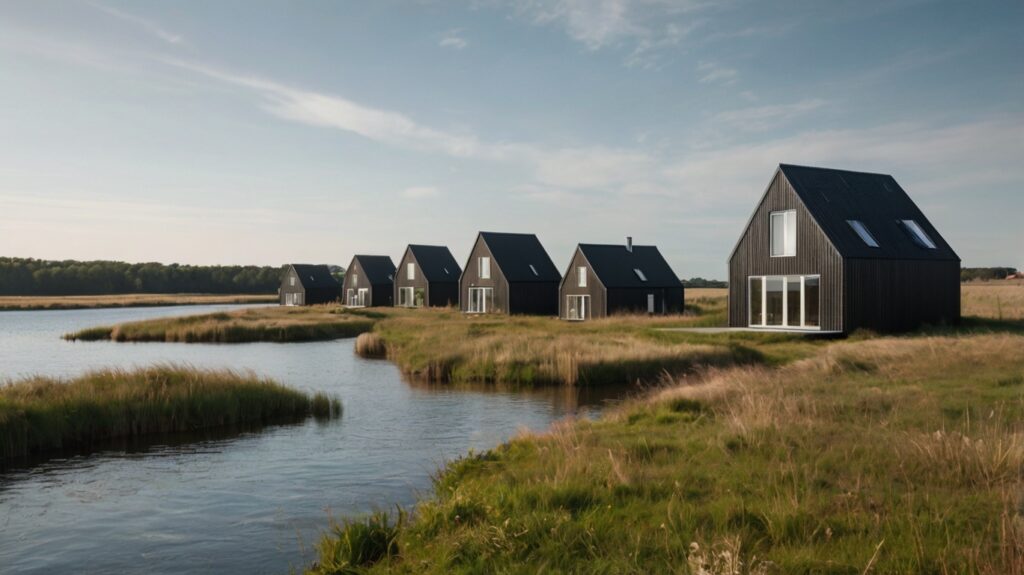
Sustainability is not merely a trend in Denmark; it is a way of life. From the design of cities to the choices made in households, eco-consciousness permeates Danish culture. By prioritizing renewable energy, minimizing waste, and embracing environmentally friendly practices, the Danes have become global leaders in sustainable living. Their approach provides valuable lessons for anyone seeking to reduce their environmental footprint and live in harmony with the planet.
Biking: A Sustainable Mode of Transportation
Denmark’s love affair with cycling is a testament to its commitment to sustainability. In cities like Copenhagen, nearly half of the population commutes by bike daily. Dedicated bike lanes, bike-friendly infrastructure, and a cultural emphasis on cycling make this mode of transportation both practical and appealing.
For individuals, adopting biking as a primary means of transportation reduces carbon emissions, promotes physical health, and saves money. Even if cycling isn’t feasible year-round, integrating it into your routine for short trips or errands can make a significant environmental impact.
Supporting Local Markets
Danes value locally sourced goods, which not only support regional economies but also reduce the environmental costs associated with long-distance transportation. Farmers’ markets, community-supported agriculture, and local artisans thrive in Denmark’s eco-conscious economy.
Shopping locally means:
- Fresher, seasonal produce with fewer preservatives.
- Lower carbon emissions from transportation.
- Strengthened community bonds through direct relationships with producers.
By prioritizing local goods, you contribute to a more sustainable supply chain while enjoying higher-quality products.
Embracing Renewable Energy
Denmark’s leadership in renewable energy is unparalleled. Wind turbines dot the Danish landscape and seascape, producing nearly half of the country’s electricity. Solar panels and district heating systems are also integral to the national energy strategy.
Adopting renewable energy sources at a personal level can start with small steps, such as:
- Installing solar panels where feasible.
- Switching to energy providers that prioritize renewables.
- Reducing energy consumption by improving home insulation and using energy-efficient appliances.
Reducing Waste
The Danish commitment to waste reduction is evident in their robust recycling programs and innovative waste-to-energy plants. Individuals can contribute to waste reduction by:
- Practicing the 3 Rs: Reduce, Reuse, Recycle.
- Opting for reusable bags, bottles, and containers.
- Composting organic waste to create nutrient-rich soil.
Small changes, such as avoiding single-use plastics or repairing items instead of discarding them, can significantly lower your ecological footprint.
Recycling Effectively
Denmark’s recycling system is a model of efficiency. Clear labeling and accessible collection points make it easy for citizens to recycle responsibly. To recycle effectively:
- Familiarize yourself with local recycling guidelines.
- Sort materials like paper, glass, and plastics correctly.
- Clean items before recycling to prevent contamination.
Educating yourself and others about proper recycling practices ensures that more materials are diverted from landfills.
Choosing Sustainable Products
Sustainable living extends to the choices we make as consumers. In Denmark, there is a strong preference for products that are:
- Eco-friendly: Made with minimal environmental impact.
- Durable: Designed to last, reducing the need for replacements.
- Ethically produced: Created under fair labor conditions.
When shopping, look for certifications such as organic, Fair Trade, or eco-labels that indicate sustainable practices. Supporting companies committed to sustainability reinforces a market shift towards greener production.
The Benefits of Sustainable Living
Adopting a sustainable lifestyle not only benefits the planet but also enhances personal well-being. Cycling promotes health and reduces stress, local food tastes better and fosters community, and minimizing waste declutters both your space and your mind. By embracing sustainability, you contribute to a healthier, more equitable world for future generations.
Conclusion
Sustainable living is not an all-or-nothing pursuit; it is a series of small, intentional choices that collectively make a big impact. The Danish example shows that eco-consciousness can be seamlessly integrated into everyday life, from biking to renewable energy and waste reduction. By following their lead, we can all move toward a greener, more sustainable future.