Introduction: The Future of Denmark’s Education System: Transforming for a Smarter, Greener, and More Inclusive Future
Denmark is often celebrated for its innovative approaches to life, work, and culture. Its education system is no exception. For those planning to know, travel, or move to Denmark, understanding its evolving educational landscape is crucial. Denmark’s education system has long been admired for fostering creativity, critical thinking, and equal opportunities. But what does the future hold? From embracing digital learning to integrating sustainability and promoting inclusivity, Denmark is setting the stage for an education system that meets the challenges of the 21st century.
A Historical Snapshot: How Denmark Shaped Its Education System
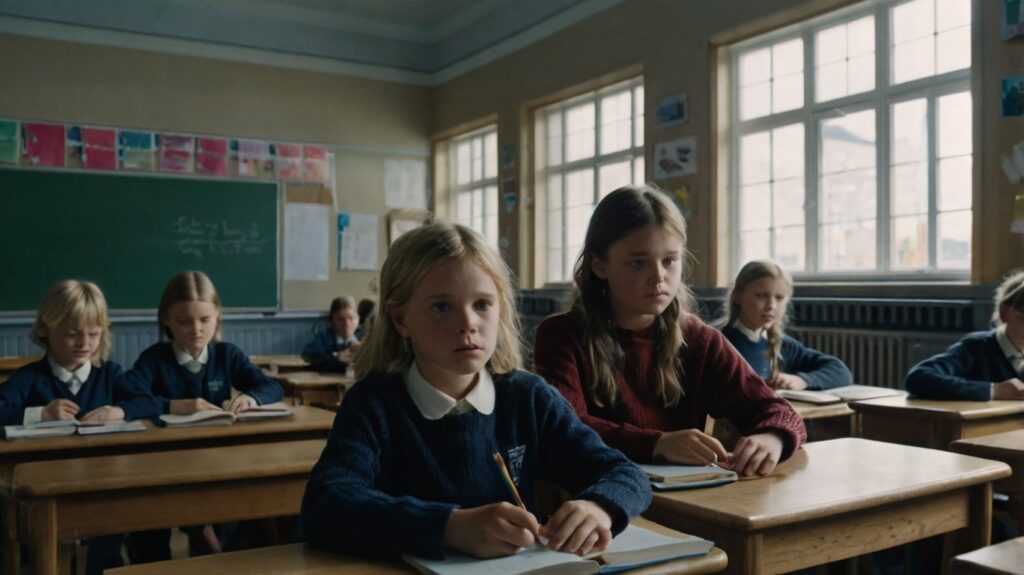
Denmark’s commitment to education has deep roots. Since the 19th century, the Danish government has prioritized universal access to schooling. The Folkeskole, Denmark’s primary and lower secondary school system, provides free education for children from the ages of 6 to 16. Its curriculum balances core subjects like math, science, and languages with creative and social learning.
Key features of Denmark’s historical approach include:
- Inclusive access: Education is free and compulsory for all children, reflecting Denmark’s commitment to equality.
- Focus on holistic development: Schools emphasize not only academics but also social skills, teamwork, and civic engagement.
- Teacher autonomy: Danish educators enjoy professional freedom to design lesson plans that fit their students’ needs.
This solid foundation has allowed Denmark to evolve its education system dynamically in response to global trends.
1. Digital Tools in Education: The Rise of Technology
As digital technology becomes increasingly central to everyday life, Denmark’s education system is embracing innovation. From primary schools to universities, the integration of digital tools has revolutionized the way students learn. Virtual classrooms, interactive learning platforms, and digital textbooks are becoming commonplace. Teachers are using AI-powered tools to tailor learning experiences to individual needs, allowing for a more personalized approach.
Denmark’s focus on equipping students with digital skills is crucial for preparing them for a rapidly evolving digital economy. By making technology an integral part of the curriculum, Danish schools are ensuring that students are ready to thrive in a tech-driven world.
2. Sustainability and Green Learning: Educating for the Planet
Denmark is known for its leadership in sustainability, and this focus is increasingly shaping its education system. Schools and universities are incorporating sustainability into their curriculums, teaching students about climate change, green energy, and sustainable living.
In addition to classroom learning, many schools are using their own campuses as “living labs,” where students engage in hands-on projects related to sustainability—whether through recycling initiatives, energy-efficient practices, or gardening programs. Denmark’s commitment to educating the next generation of environmentally conscious citizens is vital in a world facing climate challenges.
3. Addressing Teacher Shortages: A Growing Concern
One of the key challenges facing Denmark’s education system is a growing shortage of teachers, particularly in STEM (science, technology, engineering, and mathematics) fields. To address this issue, Denmark is increasing its investment in teacher training programs and offering incentives to attract new talent to the profession.
Additionally, the country is exploring alternative ways to support teachers, such as incorporating more support staff in classrooms and promoting a collaborative teaching environment. Denmark recognizes the importance of investing in teachers as key drivers of educational success, and is working to ensure they are well-supported and equipped to handle the demands of the profession.
4. Preparing Students for a Digital Economy: The Role of Modern Curriculums
As the world becomes more connected and digitally driven, Denmark is ensuring that its students are prepared for the jobs of tomorrow. Beyond teaching digital literacy, Danish schools are focusing on coding, data analysis, and other skills required in the digital economy.
The government is also promoting closer collaboration between schools, universities, and the private sector to ensure that the curriculum aligns with the needs of the job market. This approach helps bridge the gap between education and employment, ensuring that students graduate with the skills and knowledge required to thrive in a rapidly changing world.
5. Lifelong Learning and Adult Education: Education for All Ages
In today’s fast-paced world, learning doesn’t stop after graduation. Denmark is leading the charge in promoting lifelong learning and adult education, ensuring that people of all ages have access to opportunities for personal and professional development.
Adult education programs, ranging from vocational training to higher education courses, are designed to help individuals adapt to new technologies and changing job requirements. By offering flexible learning opportunities, Denmark is empowering its citizens to continually upgrade their skills throughout their lives, promoting a culture of lifelong learning.
The Road Ahead: A Holistic and Inclusive Approach
As Denmark looks to the future, its education system is evolving to meet the challenges of the 21st century. The country’s commitment to integrating digital tools, sustainability, and lifelong learning initiatives will ensure that Denmark remains at the forefront of educational innovation.
By fostering inclusive, forward-thinking environments that prepare students for the demands of the digital economy and a greener planet, Denmark is not only shaping the future of its education system but also leading the way for other nations to follow.