Introduction to the festival
Every summer, the sky above a small Danish island transforms into a breathtaking spectacle of color and creativity. The International Kite Festival of Fanø attracts thousands of kite enthusiasts and spectators from across Europe and beyond, turning the serene west coast of Denmark into a rainbow playground.
But this event is much more than a visual treat. It offers a window into Danish culture, community spirit, and a way of life that balances nature, tradition, and leisure. If you’re planning to travel to Denmark, move there, or simply understand how this small but remarkable country works, Fanø’s kite event is an excellent place to start.
Fanø – A Unique Danish Festival Island Setting
Location and Geography
Fanø is a small island off Denmark’s west coast, nestled in the Wadden Sea, a UNESCO World Heritage site known for its unique wildlife and tidal flats. The island is just 16 kilometers long and a few kilometers wide, but it offers some of the widest and flattest beaches in Europe, making it ideal for kite flying.
Accessible by a short 12-minute ferry ride from Esbjerg, Fanø combines natural beauty with a quiet, welcoming atmosphere. Visitors often describe it as a place where time slows down, giving them a true taste of Danish island life.
Why the Location Matters for Kites
The flat beaches, steady winds, and expansive sky create perfect conditions for kites of all shapes and sizes. From traditional paper kites to massive inflatable dragons, the island provides an uninterrupted canvas for thousands of kites to dance in the sky.
Even professional kite artists find Fanø ideal for displaying intricate designs that wouldn’t be possible in urban settings or smaller beaches.
History of the International Kite Festival
The event began in 1985 when a small group of German kite enthusiasts discovered Fanø’s perfect beaches. What started as a niche hobby gathering has now grown into one of Europe’s largest kite festivals, attracting over 5,000 participants and tens of thousands of spectators annually.
The festival’s evolution mirrors Denmark’s broader cultural values: strong local communities, a love for nature, and a desire for peaceful, family-friendly events.
What Happens at the Festival?
Kite Displays
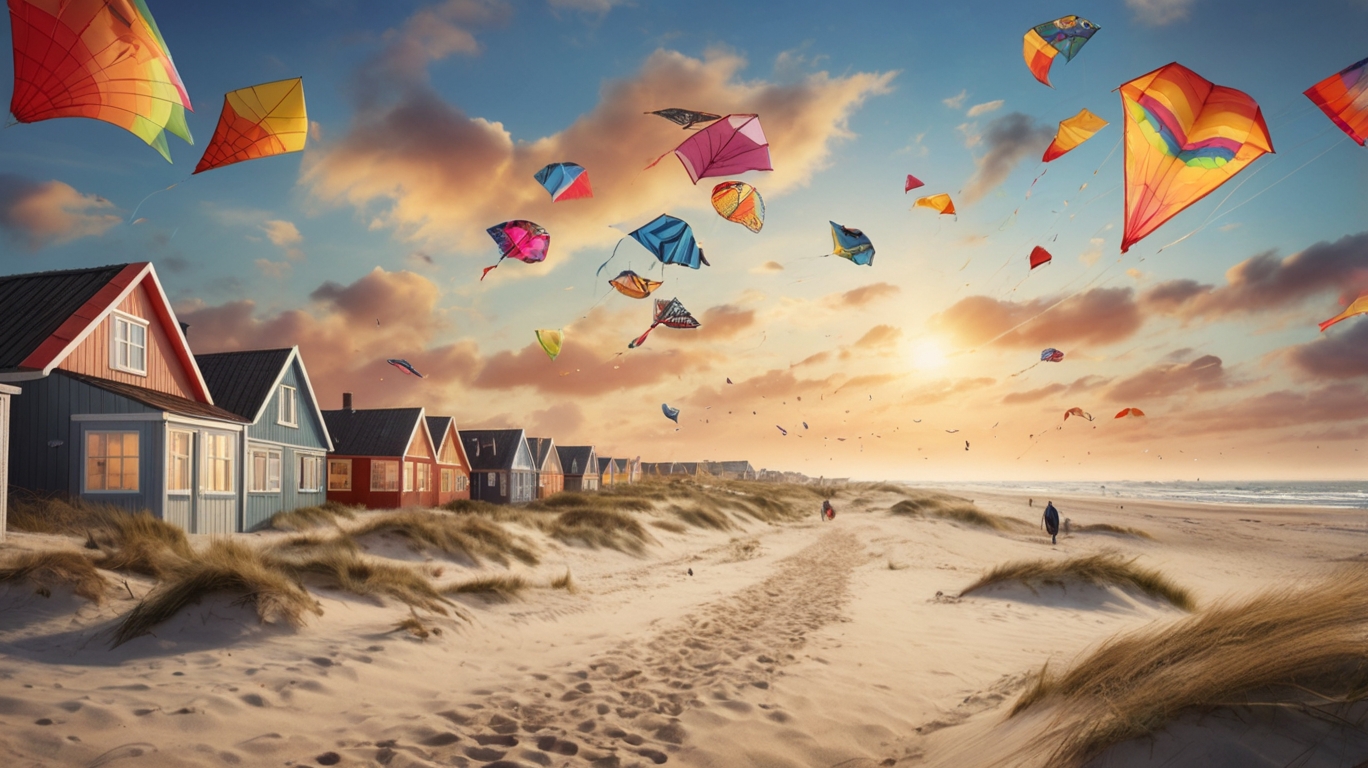
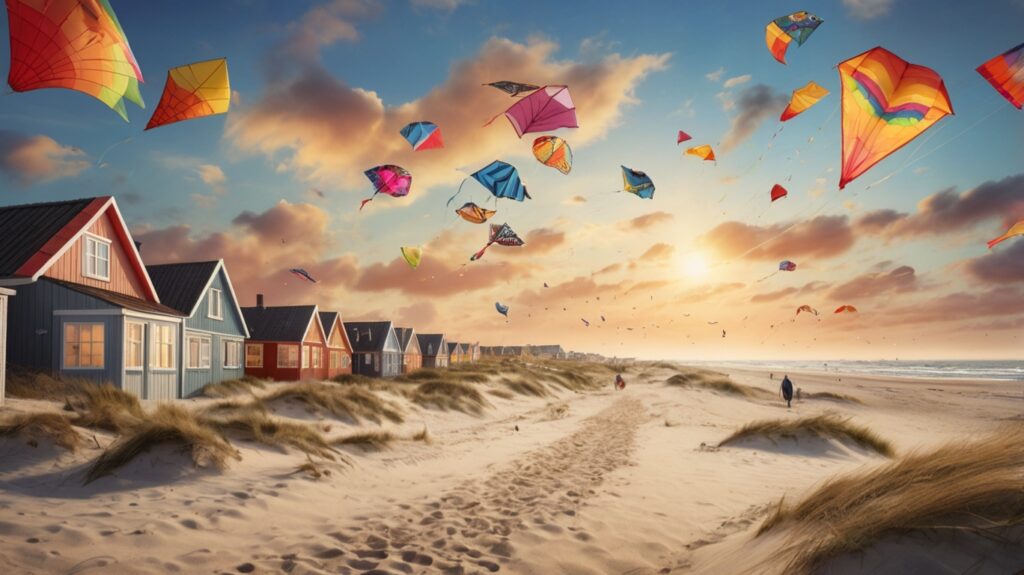
At the heart of the festival is, of course, the kite flying. Kites range from small and traditional to enormous inflatables shaped like dragons, whales, and cartoon characters. Many of these giant kites are works of art, requiring years to design and construct.
The sky above Fanø becomes a moving rainbow, captivating photographers, social media influencers, and families alike. Visitors often compare it to a real-life version of Photoshop, where color, motion, and creativity converge in stunning ways.
H3: Community and Activities
The festival isn’t just about kites. It’s also a celebration of Danish community spirit:
- Local volunteers organize most of the festival, emphasizing collaboration over commercialization.
- Food stalls offer traditional Danish fare such as smørrebrød (open-faced sandwiches) and fresh seafood.
- Music, games, and workshops make it family-friendly and accessible for all ages.
This combination of spectacle and community involvement gives visitors an authentic glimpse into Danish culture and lifestyle.
Cultural Significance
Reflection of Danish Values
The International Kite Festival of Fanø demonstrates several key aspects of how Denmark works:
- Community-Oriented Culture – Volunteers and local residents actively participate in organizing the festival, reflecting the Danish value of communal effort.
- Sustainability and Nature – With minimal noise and environmental impact, the festival aligns with Denmark’s eco-conscious lifestyle.
- Balance of Work and Leisure – The festival exemplifies the Danish concept of hygge, where people enjoy simple, cozy pleasures without stress or competition.
Tourism and Economic Impact
While the festival is free to attend, it draws visitors who spend money on ferries, accommodations, and local businesses. This small-scale tourism supports the island’s economy and helps preserve local traditions. Fanø’s kite festival is a reminder that tourism in Denmark often integrates with culture, nature, and community, rather than overwhelming it.
How to Experience the Festival
Planning Your Visit
- When: Every June, typically mid-month. The main events happen over a weekend.
- Where: The ferry from Esbjerg is the easiest way to reach Fanø. Ferries allow cars and bicycles.
- Accommodations: Hotels, holiday rentals, and campsites fill up quickly. Early booking is recommended.
- Cost: Entry is free, though transportation, food, and lodging costs apply.
Tips for First-Time Visitors
- Bring a camera or smartphone—the visuals are incredible.
- Dress in layers; the wind on Fanø can be chilly even in summer.
- Interact with locals—they are friendly and love explaining the festival’s history.
- Try local food; enjoying a Danish picnic on the beach enhances the experience.
Visiting the festival is not just sightseeing—it’s an educational experience that shows how Danes balance fun, culture, and nature.
Festival Lessons for Expats and Travelers
For those considering moving to Denmark, Fanø’s kite festival offers subtle lessons:
- Community engagement matters – Danes value collaboration and volunteering.
- Outdoor life is central – Denmark’s culture emphasizes spending time outside, regardless of age.
- Simplicity is key – Fun doesn’t need to be expensive or flashy; creativity and nature often suffice.
Understanding these principles can help new residents integrate more smoothly into Danish life.
Frequently Asked Questions (FAQ)
Q1: Do I need to be a kite flyer to enjoy the festival?
A: Not at all! Spectators enjoy the colorful sky, food, and community events without any kite experience.
Q2: Is Fanø only accessible by ferry?
A: Yes, the ferry from Esbjerg is the primary way to reach the island. Bicycles and cars are allowed.
Q3: Can I bring my own kite?
A: Absolutely! Many visitors participate with personal kites, but some large kites are for professional flyers only.
Q4: Is the festival family-friendly?
A: Definitely. Activities for kids, workshops, and safe beaches make it ideal for families.
Conclusion
The International Kite Festival of Fanø is more than just a colorful spectacle—it’s a window into how Denmark works, revealing the country’s values of community, creativity, and harmony with nature. Whether you’re visiting for a few days, planning a longer stay, or considering moving to Denmark, Fanø offers a unique and memorable experience.
Key Takeaways:
- Fanø’s flat beaches and winds make it perfect for kites.
- The festival reflects Danish values: community, sustainability, and hygge.
- Visitors can engage in activities, meet locals, and enjoy traditional Danish food.
- The festival offers insight for expats into Danish lifestyle and culture.