Introduction: Discovering Denmark Beyond the Surface
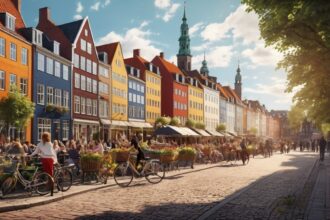
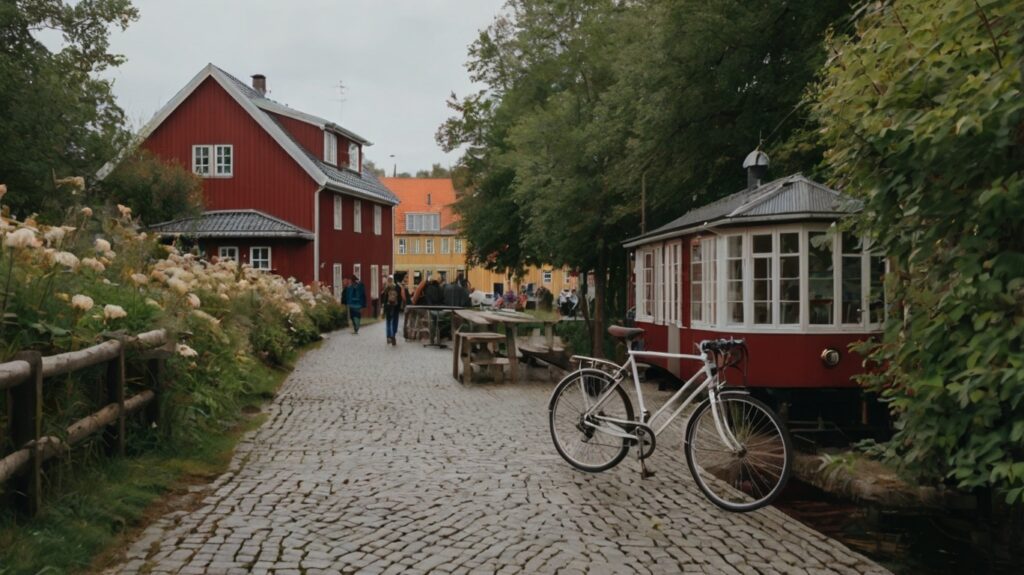
Denmark, a small yet remarkably influential country in Northern Europe, often surprises visitors with its rich history, progressive culture, and modern lifestyle. While many travelers know Copenhagen as a picturesque city filled with canals, colorful houses, and bicycles, Denmark offers far more than its charming streets. For those planning to travel or even move to Denmark, understanding Danish culture is key to truly appreciating life in the country.
From social etiquette and everyday customs to food traditions and work-life balance, this guide explores essential cultural insights for travelers. Whether you’re a first-time visitor or considering a longer stay, these tips will help you navigate Denmark with confidence and ease.
Understanding Danish Society
The Concept of “Janteloven”
One of the most important cultural ideas in Denmark is Janteloven, often translated as “The Law of Jante.” This unspoken social code emphasizes humility, equality, and the collective over the individual.
- Implication for travelers: Danes tend to avoid showing off wealth or personal achievements. Bragging or overtly seeking attention may be seen as impolite.
- Example: In a business setting, speaking modestly about accomplishments is more appreciated than self-promotion.
Understanding Janteloven helps visitors interpret Danish social behavior, from casual conversations to workplace interactions.
Emphasis on Equality and Trust
Denmark consistently ranks as one of the most equal countries in the world. Gender equality, fair wages, and social trust are deeply embedded in the culture.
- Trust: Danes tend to trust each other and their institutions. This means you’ll find a sense of safety and reliability in public services, transportation, and daily interactions.
- Practical tip: Honesty and straightforwardness are valued. For example, it’s common to pay for items at self-service stations without constant supervision.
Statistic: Denmark is ranked among the top countries in the World Happiness Report, partly due to its trust-based social system.
The Importance of Work-Life Balance
Work-life balance is a defining feature of Danish life. A typical workweek is around 37 hours, and flexible hours are common.
- Cultural insight: Danes prioritize family, leisure, and hobbies. Evenings and weekends are often spent enjoying personal time rather than extra work.
- Traveler takeaway: If you plan meetings or activities, expect shops and businesses to close early, especially outside major cities.
The Style of Communication in Denmark
Directness and Clarity
Danes are known for their direct and clear communication. Unlike cultures that rely on subtle hints, Danes speak plainly and value honesty.
- Example: When giving feedback, whether in a workplace or social context, expect constructive criticism delivered straightforwardly.
- Traveler tip: Don’t mistake directness for rudeness. It’s a sign of respect and efficiency.
Humor and Social Interaction
Danish humor is dry, understated, and often self-deprecating. Understanding this can help visitors navigate social situations and make connections.
- Example: Jokes may highlight everyday struggles or poke fun at oneself rather than others.
- Practical tip: Laughing along and showing appreciation for witty remarks will help you fit in.
Etiquette and Social Norms in Denmark
Greetings and Personal Space
Danes value personal space and privacy. Handshakes are common in formal situations, while casual greetings often include a simple “Hi” or nod.
- Example: Hugging is reserved for close friends and family, not initial meetings.
- Tip for travelers: Maintain a respectful distance in queues, public transport, and restaurants.
Punctuality
Being on time is more than a courtesy in Denmark—it’s expected.
- Example: Arriving late for meetings, appointments, or social gatherings can be seen as disrespectful.
- Traveler tip: Always plan ahead and allow extra time for transit, especially in cities like Copenhagen or Aarhus.
Social Gatherings and Invitations
Danes enjoy small, cozy gatherings known as hygge. Hygge emphasizes comfort, warmth, and togetherness rather than large, flashy parties.
- Example: A typical hygge evening might include candles, coffee, pastries, and casual conversation with friends.
- Traveler takeaway: Accepting invitations and participating in these low-key activities helps build connections with locals.
Food and Dining Culture in Denmark
Danish Cuisine Basics
Denmark offers a diverse culinary scene rooted in tradition. Staples include:
- Smørrebrød: Open-faced sandwiches with toppings like herring, shrimp, or roast beef.
- Frikadeller: Danish meatballs often served with potatoes and gravy.
- Rugbrød: Dense rye bread central to Danish meals.
Fun fact: Danish pastries, or “wienerbrød”, are a beloved treat worldwide.
Dining Etiquette
Meal times are social occasions in Denmark, but table manners are important.
- Key points:
- Wait for the host to start the meal.
- Keep elbows off the table.
- Tipping is modest—5–10% is appreciated, but service charges are often included.
- Traveler tip: Sharing meals and trying traditional foods shows respect for local culture.
Transportation and Everyday Life in Denmark
Cycling Culture
Denmark, especially Copenhagen, is renowned for its cycling infrastructure. Bicycles outnumber cars in the capital, reflecting the country’s eco-conscious mindset.
- Practical insight:
- Bike lanes are separated and prioritized.
- Helmets are optional but recommended.
- Learn local cycling signals to avoid fines or accidents.
Public Transportation
Trains, buses, and metro systems are punctual and efficient.
- Tip for travelers: Use digital apps to check schedules. Tickets must be validated, and inspectors frequently check fares.
- Statistic: Denmark’s metro system in Copenhagen operates 24/7 on weekends, supporting flexible travel.
Festivals, Traditions, and Holidays in Denmark
Danish Festivals
Danes celebrate a variety of cultural and seasonal events:
- Christmas (Jul): Characterized by candles, festive food, and family gatherings.
- Midsummer (Sankt Hans Aften): Bonfires and communal celebrations on the summer solstice.
- Fastelavn: A carnival-like event for children with costumes and traditional treats.
- Traveler tip: Participating in these events provides a deeper understanding of Danish life.
Folk Traditions and Heritage
Denmark has a rich history reflected in museums, castles, and folklore. Vikings are a key part of Danish identity, and their legacy can be seen in festivals, reenactments, and historical sites.
- Example: Visiting the National Museum of Denmark or Roskilde Viking Ship Museum can enhance cultural understanding.
Practical Tips for Denmark Travelers
Language
While Danish is the official language, English is widely spoken, especially in urban areas and among younger generations.
- Tip: Learning basic Danish greetings like “Hej” (Hi) and “Tak” (Thank you) is appreciated.
Money and Payments
Denmark uses the Danish Krone (DKK). Contactless payments are extremely common, and cash is rarely used in cities.
- Traveler tip: Ensure your card works for contactless payments, and consider a mobile payment app for convenience.
Safety and Healthcare
Denmark is one of the safest countries in Europe.
- Health tip: Travelers from outside the EU should have travel insurance. Emergency services are reliable and accessible.
Takeaways for Denmark Travelers
Understanding Danish culture helps visitors navigate social norms, enjoy authentic experiences, and connect with locals. Key insights include:
- Respect Janteloven and practice humility.
- Embrace direct communication and understated humor.
- Prioritize punctuality and respect personal space.
- Participate in hygge and local traditions.
- Explore Danish cuisine, cycling culture, and festivals.
By embracing these insights, travelers can enjoy Denmark beyond its scenic landscapes, discovering the heart of its society and traditions.
Conclusion: Embrace Denmark Like a Local
Traveling to Denmark offers more than sightseeing—it’s an opportunity to understand a culture built on equality, trust, and comfort. By learning about Danish social norms, communication styles, food traditions, and everyday life, you’ll gain a richer, more authentic experience.
Start small: try a Danish pastry in a local café, participate in a hyggelig evening, or simply ride a bike like a local. Each step will bring you closer to understanding the essence of Denmark.