Introduction: Denmark’s Green Heart Revealed
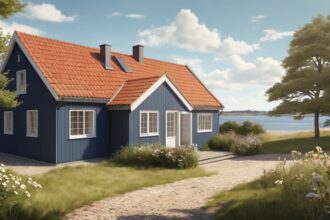
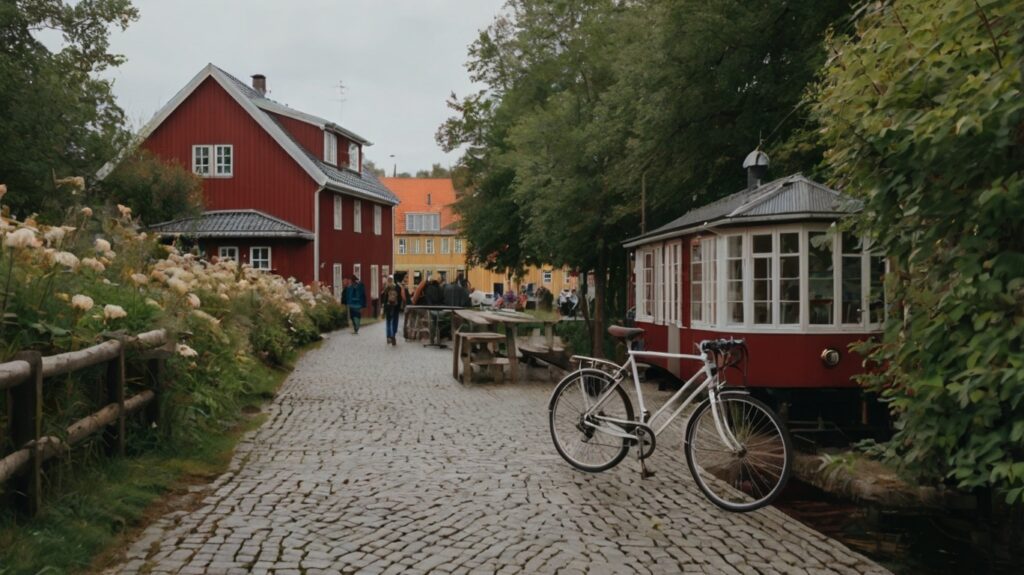
Imagine stepping off a bustling city street into a quiet forest where the scent of pine mingles with the salty sea breeze. Picture cycling along flat countryside roads lined with blooming wildflowers, or watching a golden sunset over serene lakes dotted with swans. For those who love nature, Denmark may seem small on the map—but its outdoors are vast, diverse, and remarkably accessible.
Whether you’re planning a short visit, considering relocation, or just curious about Danish life, understanding Denmark’s relationship with nature offers a unique window into its culture, lifestyle, and well-being. In this article, we’ll explore Denmark’s landscapes, outdoor activities, protected areas, and the practical tips you need to fully enjoy the country’s natural beauty.
Denmark’s Geography and Natural Diversity
Denmark is located in Northern Europe, bordered by Germany to the south and surrounded by the North Sea and the Baltic Sea. It consists of the Jutland Peninsula and over 400 islands, with Zealand and Funen being the largest. Despite its modest size—about 42,900 km²—Denmark offers a surprising variety of landscapes:
- Coastlines and Beaches: Denmark boasts over 7,300 km of coastline. Popular beaches like Skagen in the north or Dueodde on Bornholm are famous for white sand and crystal-clear waters.
- Forests and Woodlands: Around 14% of Denmark is covered in forests, with highlights including Rold Skov (the largest forest) and Gribskov, which are perfect for hiking and wildlife spotting.
- Lakes and Rivers: From the freshwater of Arresø, the largest lake, to the winding Gudenå River, water landscapes provide recreational opportunities and habitat diversity.
- Rolling Countryside: Denmark’s gently rolling farmland and meadows support agriculture, wildlife, and endless opportunities for cycling adventures.
This geographic variety makes Denmark a paradise for both casual visitors and serious outdoor enthusiasts.
Denmark’s Commitment to Nature and Conservation
Denmark’s love for nature is not just aesthetic—it’s cultural and legal. The country has long embraced environmental protection, which is reflected in its parks, trails, and wildlife conservation programs.
Protected Areas and National Parks in Denmark
Denmark has five national parks, each offering unique ecosystems:
- Thy National Park – Coastal dunes, heathlands, and rich birdlife. It’s a hotspot for hikers and nature photographers.
- Mols Bjerge National Park – Known for rolling hills, ancient ruins, and diverse flora.
- Wadden Sea National Park – A UNESCO World Heritage site; home to migratory birds, seals, and tidal flats.
- Skjern Å National Park – Wetlands and restored rivers supporting biodiversity and sustainable farming.
- Kongernes Nordsjælland National Park – Forests, lakes, and castles, perfect for combining nature and history.
Denmark also has numerous nature reserves and protected areas, ensuring that even outside national parks, wildlife and habitats remain preserved.
The “Right to Roam” – Freedom to Explore
A unique aspect of Danish outdoor life is the “Allemandsretten” or “right to roam,” inherited from Scandinavian traditions. This law allows people to freely walk, cycle, and camp in nature, respecting private property and wildlife. For nature lovers, it means virtually unlimited access to Denmark’s green spaces—making hiking, picnicking, and exploring the countryside simple and enjoyable.
Outdoor Activities for Every Interest in Denmark
Denmark is flat, safe, and well-connected—ideal for outdoor activities. Whether you love active sports, wildlife observation, or simply relaxing in nature, Denmark has options.
Cycling Adventures in Denmark
Cycling is synonymous with Danish life. Over 12,000 km of dedicated bike routes crisscross the country, from coastal paths to forest trails. Highlights include:
- National Cycle Route 1 – From Rudbøl to Skagen, a scenic route through towns, beaches, and farmland.
- Bornholm Island – A cycling paradise with coastal cliffs, forests, and charming villages.
Cycling is not only practical but also eco-friendly, connecting locals and travelers to the countryside in an intimate way.
Hiking and Walking Trails in Denmark
Despite its size, Denmark has hundreds of marked hiking trails, ranging from short nature walks to multi-day treks:
- Hærvejen (The Ancient Road) – A historical route stretching from the German border to Viborg, rich in nature and history.
- Blåvandshuk Coastal Trails – Sand dunes, beaches, and birdwatching spots.
Hiking in Denmark is accessible year-round, though spring and summer offer the best weather and blooming landscapes.
Water Sports and Coastal Activities in Denmark
With its long coastline, Denmark is perfect for water enthusiasts:
- Kayaking and Canoeing: Explore fjords, lakes, and rivers; Bornholm and the Wadden Sea are popular locations.
- Sailing and Windsurfing: Denmark’s consistent wind makes it a hotspot for sailing schools and windsurfing enthusiasts.
- Beach Relaxation: Many beaches offer clean sand, gentle waters, and family-friendly facilities.
Winter Outdoors
Denmark’s winters are mild but perfect for:
Cozy walks in frost-covered parks, followed by hot cocoa in nearby towns.
Cross-country skiing in northern forests.
Winter birdwatching at Wadden Sea or coastal marshes.
Flora and Fauna: Denmark’s Natural Treasures
Denmark may not have towering mountains, but it hosts a rich biodiversity. Understanding its flora and fauna adds depth to any nature excursion.
Forest Wildlife in Denmark
Denmark’s forests are home to:
- Deer species like roe deer and red deer.
- Wild boar in reintroduced areas.
- Foxes, badgers, and diverse bird species including woodpeckers and owls.
Seasonal blooms, such as bluebells in spring and mushrooms in autumn, create picturesque landscapes perfect for photography.
Coastal and Wetland Species
Coastal areas are vital for migratory birds:
- The Wadden Sea sees over 10 million migratory birds annually.
- Seals bask along sandy shores.
- Salt-tolerant plants thrive along dunes and estuaries.
Sustainable Wildlife Interaction
Denmark promotes responsible wildlife observation:
- Keep distance from wild animals.
- Use marked trails in sensitive habitats.
- Participate in guided tours to learn about conservation.
This approach ensures visitors enjoy nature without harming fragile ecosystems.
Urban Nature: Green Spaces in Cities of Denmark
Even in cities, Denmark prioritizes nature. Copenhagen, Aarhus, and Odense feature large parks, botanical gardens, and waterfront promenades.
- Copenhagen’s Østre Anlæg – Museums, lakes, and open meadows.
- Aarhus’ Marselisborg Forests – Walking and jogging trails just outside the city center.
- Odense Riverbanks – Scenic paths connecting historic neighborhoods.
Urban green spaces make Danish cities more livable and accessible for residents and visitors alike.
Tips for Experiencing Denmark’s Outdoors
Engage Locals: Danes are outdoor enthusiasts—joining local hiking or cycling groups can enhance your experience.
Plan by Season: Spring and summer for flowers and festivals; autumn for forests and mushrooms; winter for serene walks and birdwatching.
Use Public Transport: Trains and buses often reach trailheads and parks. Many trains allow bikes.
Pack Light but Smart: Waterproof jackets, comfortable shoes, and reusable water bottles are essential.
Respect Nature: Stick to marked trails, take your litter home, and observe wildlife responsibly.
Why Denmark’s Nature Matters for Relocation
For those considering moving to Denmark, outdoor life is not just a pastime—it’s part of the Danish lifestyle. Nature contributes to high quality of life, mental health, and community engagement:
- Access to parks and trails supports daily exercise and social activities.
- Environmental consciousness influences city planning, transportation, and education.
- Cultural connection: Festivals, outdoor sports, and family activities are often linked to nature.
Living close to nature is a hallmark of Danish well-being and explains why Denmark consistently ranks high in global happiness indexes.
Conclusion: Denmark, a Natural Playground for Everyone
Denmark may be small, but its nature is vast, accessible, and remarkably diverse. From coastal dunes and sandy beaches to rolling forests and urban parks, the country offers something for every outdoor enthusiast. Cycling, hiking, water sports, and wildlife observation are not just activities—they are cultural experiences that connect visitors and residents to the land.
Whether you’re traveling, relocating, or simply exploring from afar, embracing Denmark’s outdoors provides a deeper understanding of the country’s lifestyle, values, and beauty.
Call-to-action: Start planning your nature adventure in Denmark! Share your favorite outdoor spots, or comment below with questions about exploring Danish landscapes. Don’t forget to explore related topics like Copenhagen’s parks and Denmark’s national parks for a deeper dive into its natural wonders.