Introduction: Discovering Danish Culture Through Traditions
Denmark is more than just picturesque landscapes, cozy cafes, and historic castles. It’s a country deeply rooted in traditions that reflect its culture, values, and way of life. If you’re planning to travel, move, or simply get to know Denmark, understanding local customs is essential. Danish traditions are not just old-fashioned rituals—they are living, breathing practices that influence daily life, social interactions, and even work culture.
In this guide, we’ll explore some of Denmark’s most iconic customs, their origins, and how they shape Danish society today. By the end, you’ll have a richer understanding of what makes Denmark uniquely Danish—and perhaps be inspired to experience these traditions firsthand.
Danish Hygge: More Than Just Cozy Moments
What is Hygge?
One of Denmark’s most famous cultural concepts is hygge (pronounced “hoo-gah”). Hygge has no direct English translation but can be loosely described as a feeling of coziness, comfort, and contentment. It’s about enjoying life’s simple pleasures, often with friends and family, in a warm and welcoming environment.
Origins and Cultural Significance
Hygge has historical roots in Danish society dating back to the 18th century when harsh winters made indoor comfort and togetherness crucial. Over time, it became a core part of Danish identity, influencing architecture, interior design, and social behaviors.
Modern-Day Examples
- Candlelit evenings: Danes love lighting candles at home to create a warm atmosphere.
- Coffee and cake gatherings: Known as kaffebord, sharing pastries like wienerbrød with friends is quintessentially hygge.
- Seasonal traditions: Hygge is often celebrated during Christmas with cozy decorations, mulled wine (gløgg), and family dinners.
Tip for visitors: Participating in hygge doesn’t require special events—simply enjoy quiet moments with good company, warm drinks, and comfortable surroundings.
Danish Food Culture and Shared Meals
Traditional Danish Cuisine
Food is a central part of Danish life. While modern Denmark embraces international cuisine, traditional dishes remain important cultural markers.
Some classic Danish foods include:
- Smørrebrød: Open-faced sandwiches topped with fish, meat, or cheese.
- Frikadeller: Danish meatballs, often served with potatoes and gravy.
- Rødgrød med fløde: A sweet summer dessert made from red berries and cream.
Social Customs Around Food
Meals are more than nutrition—they are social events. Danes value pålidelighed (reliability) and modenhed (maturity) at the dining table. Common etiquette includes:
- Waiting for everyone to be served before starting to eat.
- Using utensils properly—fork in the left hand, knife in the right.
- Saying tak for mad (“thanks for the meal”) after finishing.
Sharing meals strengthens family bonds, workplace relationships, and friendships, reflecting the Danish emphasis on community.
Danish Festivals and National Holidays
Christmas Traditions (Jul)
Danish Christmas is celebrated with a mix of family rituals, festive foods, and public events.
- Advent: Lighting candles on the advent wreath every Sunday in December.
- Christmas Eve: Families gather for dinner, including flæskesteg (roast pork) and rice pudding (risalamande).
- Christmas Markets: Cities like Copenhagen host festive markets with crafts, food, and seasonal entertainment.
Fastelavn: Denmark’s Carnival
Fastelavn, celebrated in February, is Denmark’s version of carnival. Traditionally, children dress up in costumes, sing songs, and hit a barrel filled with candy—a practice similar to a piñata. The event reflects Denmark’s playful side and focus on community celebrations.
Midsummer (Sankt Hans Aften)
Midsummer is celebrated on June 23 with bonfires, singing, and folklore rituals. Bonfires often feature effigies of witches, a nod to Danish mythology. This festival reflects Denmark’s connection to nature, the sun, and communal joy.
Danish Etiquette and Social Norms
Politeness and Equality
Denmark is famous for its egalitarian society. Social interactions often emphasize equality, respect, and personal space. Key etiquette tips include:
- Greeting with a firm handshake.
- Using first names in most contexts, even in business.
- Avoiding bragging or overt displays of wealth, as modesty is valued.
Punctuality and Reliability
Being on time is not just polite—it’s expected. Late arrivals can be seen as disrespectful, whether for work, social events, or appointments.
Gift-Giving and Hospitality
When invited to a Danish home, it’s customary to bring a small gift, such as flowers, chocolates, or wine. Hosts often offer coffee and cake as a welcoming gesture, reflecting the Danish value of hospitality.
Danish Work Culture: Balancing Life and Traditions
Work-Life Balance
Denmark is consistently ranked among the happiest countries globally, in part due to its work culture. Danes value balance, with shorter workweeks, flexible hours, and a focus on family time.
Workplace Customs
- Flat hierarchies: Managers and employees often collaborate as equals.
- Direct communication: Honesty and clarity are appreciated over indirect politeness.
- Hygge at work: Casual coffee breaks and team lunches are common ways to foster camaraderie.
Understanding these customs is crucial for newcomers aiming to integrate into Danish society professionally.
Danish Language and Communication
Importance of Danish
While many Danes speak English fluently, learning Danish can greatly enhance your experience and help you connect with locals. Common phrases:
- Hej! – Hello!
- Tak! – Thank you!
- Hvordan har du det? – How are you?
Communication Style
Danes tend to be direct yet polite. Silence in conversation is acceptable, and over-explaining or exaggerating can feel awkward. Appreciating this style helps newcomers navigate social and professional settings smoothly.
Outdoor Activities and Seasonal Customs
Cycling Culture
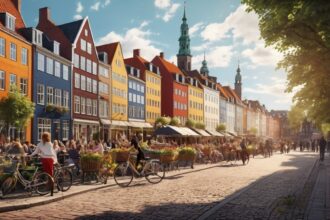
Cycling is more than a pastime—it’s a lifestyle. Cities like Copenhagen and Aarhus have extensive bike lanes, and many Danes use bicycles as their main mode of transport. Understanding cycling etiquette, such as signaling and respecting bike lanes, is part of respecting Danish culture.
Seasonal Celebrations
- Spring: Flower festivals and park gatherings.
- Summer: Beach outings and music festivals.
- Autumn: Mushroom hunting and apple picking.
- Winter: Ice skating, Christmas markets, and indoor hygge activities.
Engaging in these seasonal traditions helps visitors feel immersed in Danish life.
Danish Weddings and Family Customs
Traditional Weddings
Danish weddings combine modern practices with unique traditions:
- Guests often throw rice or flower petals at the newlyweds.
- Speeches and songs from family and friends are a key part of the celebration.
- Some couples include the bridal tower, where guests lift the bride and groom on chairs while singing.
Family Dynamics
Family plays a central role in Danish society. Parents are actively involved in children’s lives, and grandparents often participate in childcare. This reflects Denmark’s strong emphasis on community, support, and intergenerational bonding.
Conclusion: Embrace Danish Traditions to Understand Its Culture
Denmark’s local customs and traditions are more than just rituals—they are expressions of values like hygge, equality, community, and balance. From cozy winter evenings and festive markets to cycling culture and shared meals, each tradition offers insight into what it means to live in Denmark.
For travelers, newcomers, or anyone curious about Danish life, embracing these customs opens doors to authentic experiences. So, whether you’re lighting candles for hygge, enjoying smørrebrød, or joining a Midsummer bonfire, participating in local traditions helps you truly connect with Danish culture.
Actionable Tips:
- Learn basic Danish phrases to enhance social interactions.
- Respect punctuality, direct communication, and equality.
- Experience seasonal traditions to understand local life.
- Try Danish cuisine and participate in family or community gatherings.