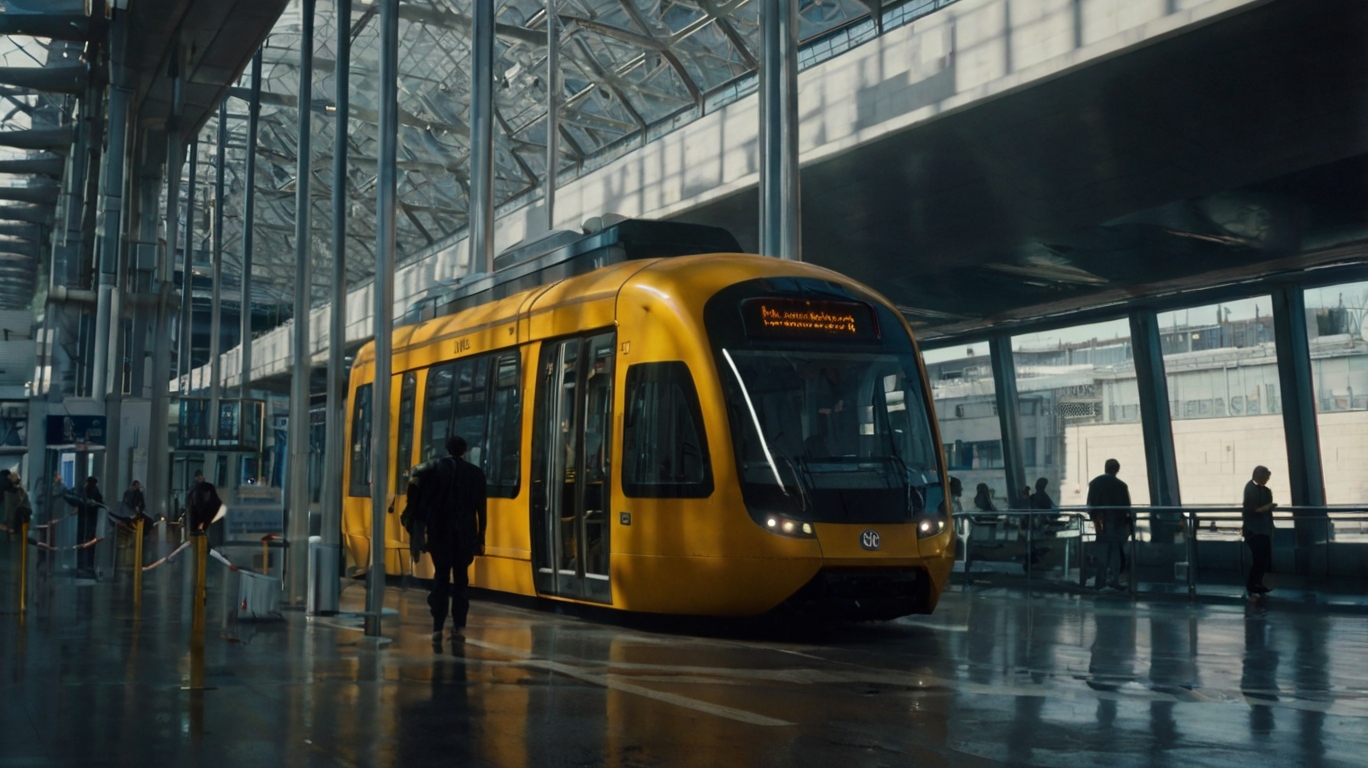
Denmark has long been praised for its efficient and extensive public transport network. With a well-integrated system of buses, trains, metro lines, and ferries, the country offers a reliable alternative to car ownership. In theory, Denmark’s public transport infrastructure is a shining example of Scandinavian efficiency. But in reality, is it truly as flawless as it seems?
A Network Built for Convenience
Major cities like Copenhagen and Aarhus boast well-connected metro and light rail systems, allowing residents and visitors to navigate with ease. The Copenhagen Metro, often regarded as one of the best in the world, runs 24/7, whisking passengers across the city in minutes. Regional trains and intercity services ensure that even smaller towns remain accessible. Ferries link Denmark’s many islands, strengthening the country’s connectivity. On paper, this is a system designed for the modern commuter—fast, reliable, and environmentally friendly.
The Cracks in the System
However, beneath the polished surface, cracks begin to show. The efficiency of Danish public transport is often overshadowed by high ticket prices, delays, and underfunded infrastructure in rural areas. A single adult ticket for a short journey in Copenhagen costs significantly more than comparable systems in other European capitals. Monthly commuter passes, while slightly more affordable, still place a financial burden on regular passengers.
Beyond the cities, the situation becomes even more dire. Smaller towns and rural regions often face infrequent bus services, forcing residents to rely on cars despite the government’s sustainability goals. Trains between provincial cities experience delays, leaving commuters frustrated. The much-anticipated electrification of the railway network has been repeatedly delayed, pushing Denmark further behind its European neighbors in modernizing rail travel.
Denmark’s Transport: A System at a Stunning Crossroads
With Denmark striving to be a green leader in Europe, its public transport system is at a crossroads. Expensive fares discourage ridership, leading to increased car use and congestion. Meanwhile, infrastructure projects drag on, causing skepticism about the government’s ability to keep pace with demand. Can Denmark maintain its reputation as a public transport paradise, or will it fall into the same struggles faced by many European nations?
What do you think? Should Denmark focus on lowering ticket prices to encourage more public transport use, or should it prioritize upgrading its infrastructure to improve efficiency and reliability?
P20250323-001