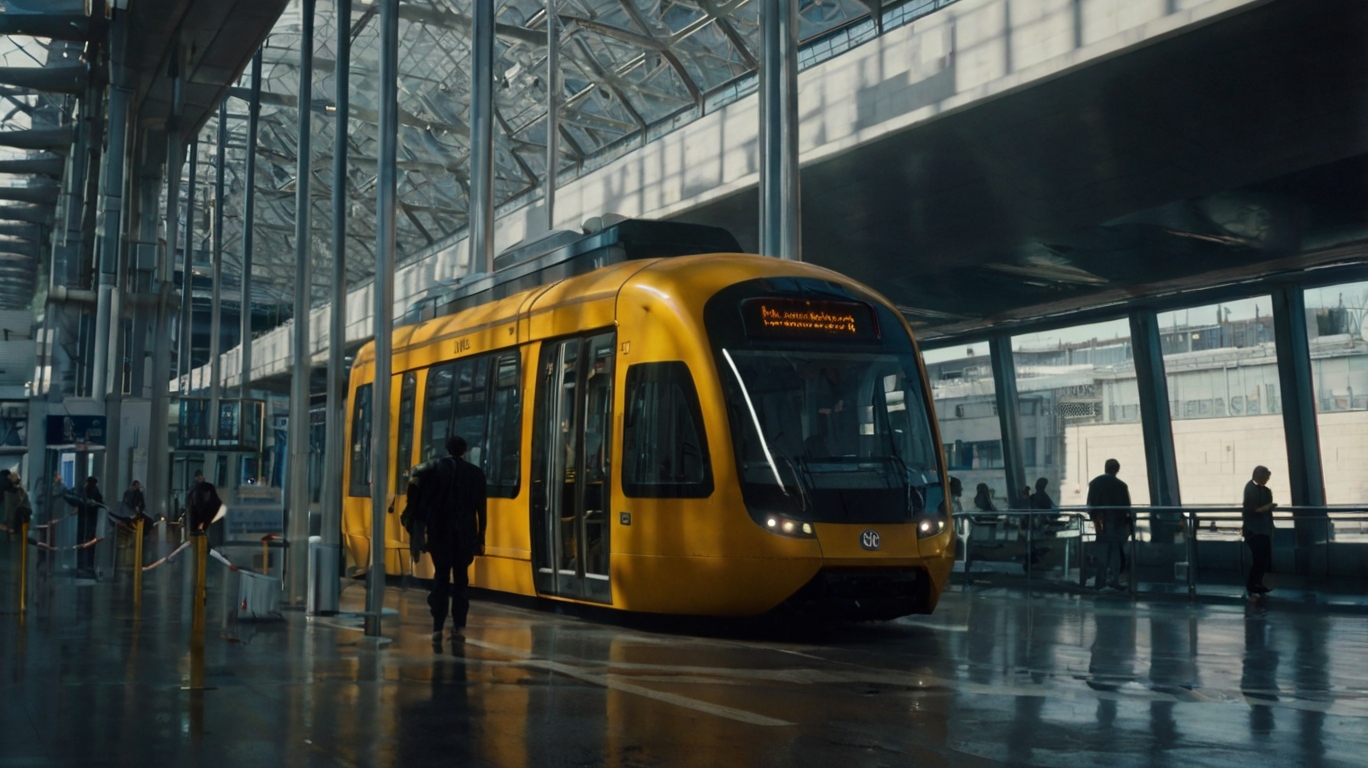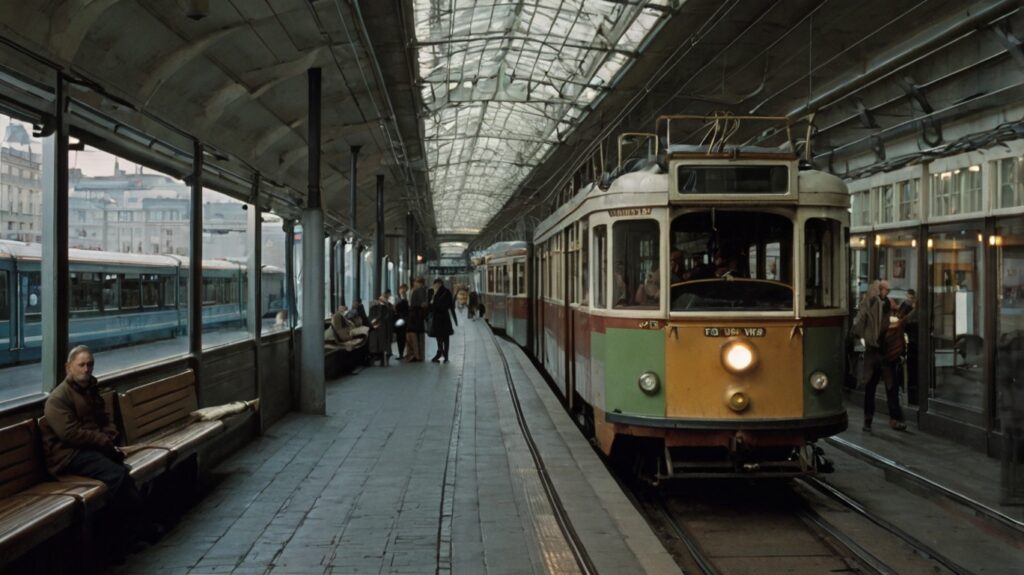
Public transportation in Denmark has a rich history, reflecting the nation’s commitment to connectivity, sustainability, and innovation. From horse-drawn carriages in the 19th century to the modern, eco-friendly transportation networks of today, Denmark’s public transport system has evolved to meet the needs of its citizens and contribute to its renowned quality of life.
Early Beginnings: The 19th Century
The roots of Danish public transportation trace back to the early 19th century when horse-drawn carriages served as the primary means of transport in Copenhagen and other major towns. These services were largely unregulated, catering to those who could afford them, and were limited in reach.
In 1847, Denmark took a significant step forward with the opening of its first railway line, connecting Copenhagen to Roskilde. Operated by the Danish State Railways (DSB), this marked the beginning of a broader rail network that would shape the country’s transportation landscape. Railways quickly became the backbone of Danish public transport, facilitating economic growth and urbanization.
The Rise of Urban Transit: Late 19th and Early 20th Centuries
With the growth of cities, especially Copenhagen, there arose a need for more efficient urban transit. Horse-drawn trams made their debut in Copenhagen in 1863, providing a structured and affordable mode of transport within the city. By the 1880s, these trams were electrified, marking a significant technological advancement.
During this period, other cities like Aarhus and Odense also developed their tram systems. Public transportation began to play a central role in urban planning, connecting neighborhoods and enabling the expansion of cities.
Mid-20th Century: Modernization and Decline of Trams
The mid-20th century brought significant changes to Danish public transport. Trams remained popular until the 1950s but gradually declined as buses and cars became more prevalent. The last tram in Copenhagen ceased operation in 1972, replaced by an extensive bus network.
Meanwhile, the railway network continued to expand and modernize. Electrification of rail lines began in the 1930s but picked up pace in the 1970s, improving efficiency and reducing reliance on fossil fuels.
Late 20th Century: The Metro Era
As urban populations grew, Denmark faced challenges of congestion and environmental concerns. The late 20th century saw a renewed focus on sustainable public transport solutions. One of the most transformative developments was the Copenhagen Metro, which began operation in 2002. This driverless, high-frequency system revolutionized urban mobility in the capital, providing a fast, reliable, and eco-friendly alternative to cars.
In addition, regional rail services like the S-train (S-tog) system in Greater Copenhagen were expanded and upgraded, ensuring seamless connectivity between suburbs and the city center.
21st Century: Sustainability and Innovation
In recent decades, Denmark has emerged as a global leader in sustainable transportation. The introduction of electric and hybrid buses, investment in cycling infrastructure, and the continued expansion of rail and metro systems reflect Denmark’s commitment to reducing carbon emissions.
Key milestones include:
- The Cityringen Metro Line (2019): This circular metro line enhanced connectivity within Copenhagen, further reducing travel times and congestion.
- Electric Buses: Cities like Copenhagen and Aarhus have introduced fleets of electric buses, aligning with Denmark’s climate goals.
- High-Speed Rail Projects: Ongoing investments in high-speed rail aim to connect major cities more efficiently, encouraging public transport use over private cars.
Challenges and Future Outlook
While Denmark’s public transportation system is among the most efficient in the world, challenges remain:
- Climate Change: Meeting ambitious carbon reduction targets requires continuous innovation.
- Urbanization: Rapid urban growth demands further investments in infrastructure.
- Integration: Seamless integration of different transport modes, including bikes, buses, trains, and metros, is crucial for efficiency.
Looking ahead, Denmark is exploring smart transit solutions, such as autonomous vehicles, advanced ticketing systems, and increased use of renewable energy in transport operations. The focus remains on creating a system that is not only efficient but also inclusive and sustainable.
Conclusion
The history of Danish public transit reflects a journey of innovation and adaptation. From humble beginnings with horse-drawn carriages to the modern, sustainable systems of today, Denmark has consistently prioritized public mobility. As the nation looks to the future, its transportation system will undoubtedly continue to play a key role in fostering connectivity, economic growth, and environmental stewardship.