A Nation Where Design Is a Way of Life
In Denmark, design isn’t just a profession—it’s a cultural cornerstone. From the sleek lines of Arne Jacobsen’s Egg Chair to the harmonious integration of urban spaces, The Danish Design is renowned for its simplicity, functionality, and human-centric approach. This design philosophy permeates every aspect of Danish life, creating environments that are not only aesthetically pleasing but also deeply functional and sustainable.
The DNA of Danish Design
The essence of Danish design lies in its commitment to simplicity, functionality, and quality craftsmanship. These principles are evident in iconic pieces like the PH Lamp by Poul Henningsen, which combines form and function to create timeless elegance . This design ethos extends beyond furniture, influencing architecture, urban planning, and even public services .
Urban Planning: The Finger Plan
Copenhagen’s urban planning is a testament to Denmark’s design prowess. The “Five Finger Plan,” developed in 1947, strategically expanded the city along five corridors, integrating residential areas with green spaces and efficient public transportation . This thoughtful approach has made Copenhagen a model for sustainable urban development.
Cycling: A Way of Life
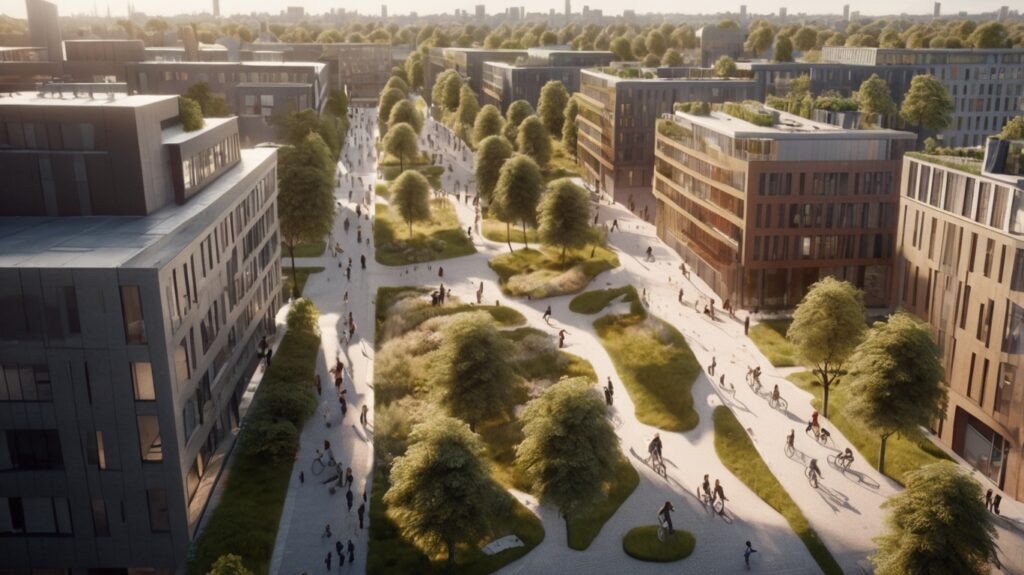
Cycling is deeply ingrained in Danish culture, particularly in Copenhagen, where 62% of residents commute by bike . The city’s extensive network of bike lanes and cyclist-friendly infrastructure reflects a commitment to sustainable and human-centered design.
Superkilen: Celebrating Diversity Through Danish Design
Superkilen Park in Copenhagen’s Nørrebro district exemplifies how design can foster community and inclusivity. This innovative public space incorporates cultural artifacts from around the world, symbolizing the neighborhood’s diversity and promoting social cohesion .
Aarhus: A Blend of Heritage and Innovation
Denmark’s design excellence isn’t confined to Copenhagen. In Aarhus, architectural landmarks like the Dokk1 library and the harbor bath designed by Bjarke Ingels Group showcase a harmonious blend of modern design and historical context .
Sustainability: A Core of Danish Design Principle
Sustainability is at the heart of Danish design. Copenhagen aims to become the world’s first carbon-neutral capital by 2025, integrating green technologies and sustainable practices into its urban fabric . This commitment to the environment is a testament to Denmark’s forward-thinking design philosophy.
Reflective Question on Danish Design
How do you perceive the role of design in shaping a society?
- Option A: Design is a fundamental driver of societal well-being and sustainability.
- Option B: Design primarily serves aesthetic and functional purposes without broader societal impact.
Denmark’s approach to design demonstrates that thoughtful, human-centric design can profoundly influence the quality of life, sustainability, and social cohesion. It’s a model that continues to inspire and inform design practices worldwide.
P20250419-003
Important Links:
🏙️ Urban Planning – Copenhagen’s Finger Plan
- The Finger Plan Explained – A deep dive into its 1947 roots and enduring role in Copenhagen’s sustainable growth
- Collaborative Governance – How local consensus made the Finger Plan a planning doctrine
🌍 Inclusive Public Space – Superkilen Park
- Superkilen as a Cultural Hub – By BIG, Superflex, and Topotek1, showcasing 60+ nations in a community-driven park
- Academic Perspective – Examining its impact on social interaction and inclusion
🎨 Danish Design Fundamentals
- World-Famous Danish Design – Official overview of simplicity, functionality, and sustainability principles
- Design Evolution – From Viking-era roots to mid-century modern to today’s innovators
📰 Recent Trends & Innovations
- Scandi Homeware Spotlight – Highlights from Copenhagen’s “3 Days of Design,” emphasizing authenticity and sustainable innovation
- Danish Fashion Spotlight – How design principles extend into clothing and lifestyle
📚 Bonus Resources
Architectural Digest Analysis – Danish design’s global influence and spotlight from exhibitions