Introduction: Discover Denmark Beyond the Map
Denmark may seem like a small country on the northern edge of Europe, but its history and culture run deep, shaping a society that balances modern innovation with centuries-old traditions. Whether you’re planning to travel, study, or even move to Denmark, understanding its history and attractions is essential to truly appreciate what this Scandinavian gem has to offer.
From Viking heritage to fairy-tale castles, from cutting-edge architecture to cozy coastal towns, Denmark is a country where history meets modernity in unexpected ways. In this guide, we’ll take you on a journey through Denmark’s fascinating past and explore its most iconic and lesser-known attractions, giving you a rich perspective of Danish culture and society.
A Brief History of Denmark
H3: The Viking Era: Denmark’s Formative Years
Denmark’s story begins in the Viking Age (c. 800–1050 AD), a period when Danish warriors and traders sailed across Europe and beyond. Vikings were not just raiders—they were skilled sailors, merchants, and settlers.
- Key Historical Sites:
- Roskilde Viking Ship Museum – Explore real Viking ships and learn about maritime technology.
- Jelling Stones – These ancient runestones commemorate King Harald Bluetooth, who united Denmark and introduced Christianity in the 10th century.
The Viking legacy is not only a tourist attraction but also a cultural foundation. Many Danes today take pride in this era, reflected in festivals, museums, and even in modern company logos and branding.
Middle Ages and the Rise of Monarchies
After the Viking era, Denmark evolved into a structured kingdom. By the 14th century, the Danish monarchy had consolidated power, and Copenhagen began to emerge as a central hub.
- Significant Landmarks:
- Rosenborg Castle – Built in the early 1600s, this castle houses the Danish crown jewels and royal artifacts.
- Aarhus Cathedral – A stunning example of Gothic architecture, reflecting Denmark’s medieval Christian influence.
During this time, trade expanded, especially through the Hanseatic League, connecting Danish ports to major European cities.
Modern Denmark: Industrialization and Welfare
The 19th and 20th centuries brought industrialization and social reforms. Denmark became known for its progressive approach to welfare, education, and labor rights.
- Notable Contributions:
- Early adoption of universal education and healthcare systems.
- Development of a strong cooperative movement in agriculture, fostering community resilience.
This modern approach is one reason Denmark consistently ranks as one of the happiest and most livable countries in the world.
Iconic Danish Attractions
Denmark’s attractions reflect its rich history, modern design, and natural beauty. Whether you’re a history buff, art lover, or adventure seeker, there’s something here for everyone.
Copenhagen – Where History Meets Modernity
The Danish capital is vibrant, walkable, and steeped in culture.
- Tivoli Gardens – Opened in 1843, this amusement park combines history, entertainment, and beautiful gardens.
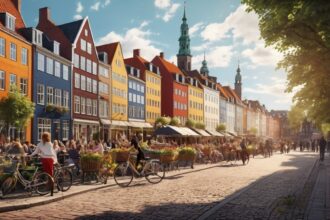
- Nyhavn – Colorful 17th-century waterfront buildings, perfect for dining and canal tours.
- The Little Mermaid Statue – Inspired by Hans Christian Andersen’s fairy tale, symbolizing Denmark’s literary heritage.
Copenhagen also showcases modern architecture and sustainable design, such as the 8Tallet building and CopenHill, a waste-to-energy plant that doubles as a ski slope.
Aarhus – The Cultural Heart of Denmark
Denmark’s second-largest city blends history with contemporary art and education.
- ARoS Aarhus Art Museum – Famous for its rainbow panoramic walkway.
- Den Gamle By – An open-air museum reconstructing life in Denmark from the 16th century onwards.
- Moesgaard Museum – Focuses on archaeology and anthropology, featuring Viking exhibits and prehistoric artifacts.
Aarhus is a city where students, families, and tourists converge to experience culture, history, and modern Danish life.
Odense – The Land of Fairy Tales
Odense, the birthplace of Hans Christian Andersen, is a haven for literature enthusiasts.
- Hans Christian Andersen Museum – Showcases the writer’s life, works, and inspirations.
- Odense Zoo – Blending family fun with conservation education.
- Historical Streets – Cobblestone streets lined with half-timbered houses give visitors a glimpse into medieval Denmark.
Odense offers a quieter, more intimate experience compared to Copenhagen, yet it is rich in cultural significance.
Castles, Palaces, and Historic Sites in Denmark
Denmark’s castles are a testament to its royal heritage and architectural ingenuity.
- Kronborg Castle – UNESCO World Heritage site, known as the setting for Shakespeare’s Hamlet.
- Frederiksborg Castle – A baroque masterpiece surrounded by beautiful gardens and lakes.
- Egeskov Castle – Famous for its Renaissance architecture and one of the best-preserved moats in Europe.
Many of these castles are open for tours, offering insight into Denmark’s royal history and art collections.
Danish Culture and Traditions
Understanding Danish attractions is incomplete without exploring local culture, traditions, and lifestyle.
Festivals and Events in Denmark
Denmark hosts vibrant festivals that reflect its historical roots and modern creativity:
- Roskilde Festival – One of Europe’s largest music festivals.
- Copenhagen Jazz Festival – Celebrates music in streets, clubs, and open spaces.
- Christmas Markets – Known as “Jul,” these markets bring historic streets alive with lights, crafts, and traditional foods like gløgg (mulled wine) and æbleskiver (Danish pancakes).
Festivals are a perfect way for newcomers to immerse themselves in Danish life and meet locals.
Culinary Heritage
Danish cuisine is diverse, simple, and increasingly international:
- Smørrebrød – Open-faced sandwiches topped with fresh fish, meats, and vegetables.
- Danish Pastries – Known worldwide for their buttery, flaky texture.
- New Nordic Cuisine – Modern restaurants like Noma emphasize local, seasonal ingredients, redefining Denmark’s gastronomic identity.
Food is not only about taste—it’s a cultural expression, emphasizing sustainability and community.
Everyday Danish Life
Denmark is often praised for its social model and quality of life:
- Work-Life Balance – Danes typically work fewer hours but prioritize efficiency and productivity.
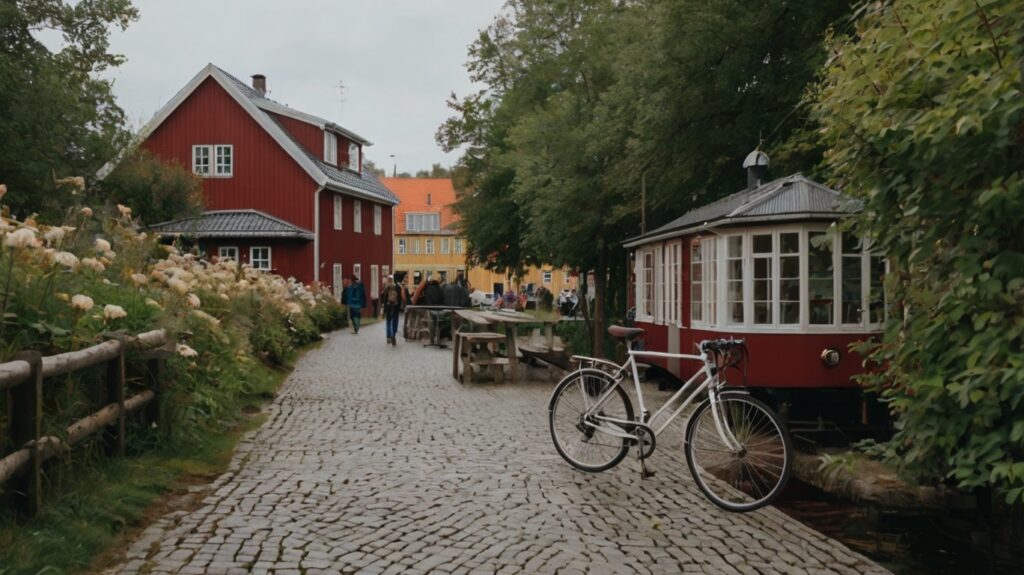
- Cycling Culture – Bicycles dominate urban transport, especially in Copenhagen and Aarhus.
- Hygge – A cultural concept embracing coziness, well-being, and togetherness.
For newcomers, understanding these everyday practices helps navigate Danish society smoothly.
Nature and Outdoor Attractions
Denmark is as rich in natural beauty as in historical and cultural sites.
Coastal Regions and Islands in Denmark
With over 400 islands, Denmark offers endless coastal exploration:
- Skagen – Famous for its unique light, attracting artists and photographers.
- Bornholm – A scenic island known for cliffs, beaches, and medieval ruins.
- Rømø and Søndervig – Ideal for sandy beaches and water sports.
Denmark’s coastline is perfect for cycling tours, sailing, or simple beach strolls.
National Parks and Forests in Denmark
Denmark’s commitment to nature preservation provides visitors with lush forests, lakes, and trails:
- Mols Bjerge National Park – Rolling hills, grazing deer, and scenic views.
- Rold Skov Forest – One of the largest forests in Denmark, ideal for hiking and wildlife spotting.
- Wadden Sea National Park – UNESCO World Heritage site, famous for migratory birds and tidal flats.
These parks are accessible, family-friendly, and highlight Denmark’s eco-conscious approach to land and wildlife management.
Practical Tips for Travelers and Newcomers
Getting Around
- Public Transport – Denmark has reliable trains, buses, and metro lines connecting major cities and towns.
- Cycling – Rent a bike for an authentic Danish experience.
- Driving – Roads are well-maintained, but parking in cities can be expensive.
Accommodation and Stay
- Hotels and Hostels – Copenhagen offers a range of options, from luxury hotels to budget-friendly hostels.
- Airbnb and Short-Term Rentals – Ideal for longer stays or families.
- Camping and Nature Lodges – For those who want to explore Denmark’s outdoors.
Cultural Etiquette
Sustainability Practices – Recycling and eco-conscious habits are standard; be prepared to separate waste.
Greetings – A handshake is common; Danes value politeness and direct communication.
Tipping – Optional but appreciated; rounding up the bill is typical.
Conclusion: Embrace Denmark’s Rich Heritage
Denmark is a country where history, culture, and modern life coexist in harmony. From its Viking roots and medieval castles to vibrant cities and natural landscapes, Denmark offers experiences that appeal to travelers, new residents, and curious explorers alike.
Whether you’re strolling through the streets of Copenhagen, cycling along scenic coastlines, or delving into Viking history, the journey through Denmark is both educational and inspiring.
Actionable Takeaways:
- Explore both major cities and smaller towns to fully appreciate Danish culture.
- Participate in local festivals and culinary experiences for immersive learning.
- Embrace Danish lifestyle habits like cycling and hygge for a deeper cultural understanding.
Share your own experiences, ask questions, or plan your next trip—Denmark is ready to welcome you!