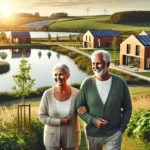
In the Scandinavian country of Denmark, the approach to elderly care is marked by compassion, respect, and a deep commitment to ensuring the dignity of older adults. As Denmark’s population ages, the role of nursing homes has become an integral part of the nation’s healthcare system. These institutions, often called plejehjem (care homes), not only provide medical care but also foster a sense of community, independence, and personal fulfillment for their residents.
The Danish Welfare Model: A Commitment to Quality
Denmark’s comprehensive welfare system is often cited as one of the reasons why its elderly population enjoys a higher quality of life compared to many other countries. The government has long prioritized healthcare and social services for all its citizens, regardless of their age. This ethos is reflected in the design and operation of nursing homes, where a holistic approach to care is implemented.
Nursing homes in Denmark are primarily publicly funded, ensuring that financial barriers do not limit access to care. Although there are private options available, the majority of elderly Danes rely on state-run services. The quality of care is tightly regulated by the Danish government, which enforces standards to ensure safety, dignity, and well-being for residents.
A Focus on Person-Centered Care
What sets Danish nursing homes apart is their emphasis on person-centered care. This means that the needs and wishes of the residents are always placed at the forefront of care decisions. From the moment an individual enters a nursing home, a personalized care plan is created in collaboration with the resident, their family, and medical professionals. This approach seeks to preserve autonomy, ensuring that older adults have as much control over their lives as possible, even as they receive assistance with daily tasks.
In many Danish nursing homes, residents are encouraged to participate in activities that promote mental and physical well-being. Whether it’s gardening, arts and crafts, or participating in discussions about current events, these activities foster engagement and help residents feel connected to their surroundings. Staff members are trained not just in medical care but also in emotional support, ensuring that the mental health of residents is prioritized.
The Role of Family and Community
Family plays a central role in nursing home life in Denmark. Many nursing homes encourage regular family visits and involvement in residents’ care. This partnership between staff and family members strengthens the bond between generations, with younger family members often participating in activities or helping residents with everyday tasks.
In addition to family connections, Danish nursing homes emphasize the creation of a community within the home. For many residents, a nursing home is not just a place to receive care, but a place to form new friendships and maintain social ties. Social activities are organized to encourage interaction and a sense of belonging. From shared meals in communal dining rooms to organized outings, these efforts are designed to counteract isolation, which is a growing concern among the elderly.
The emphasis on community extends beyond the residents themselves. In many nursing homes, there is an effort to integrate the surrounding neighborhood into the care process. Local schools, community centers, and volunteers often collaborate with nursing homes to organize activities or offer companionship to the elderly. This creates a cycle of mutual benefit where younger generations learn from the experiences of older ones, and older generations feel connected to the broader community.
Nursing Innovative Design for Comfort and Functionality
The physical design of nursing homes in Denmark reflects the commitment to care and well-being. Many nursing homes are designed with modern, functional spaces that promote comfort, safety, and ease of movement. Open floor plans allow for natural light, and accessibility is prioritized, ensuring that those with limited mobility can navigate the space comfortably.
A growing trend in Danish nursing homes is the incorporation of green spaces, both indoors and outdoors. Gardens, walking paths, and greenhouses offer residents opportunities to engage with nature, which has been shown to have positive effects on mental and physical health. In fact, Denmark’s commitment to sustainability extends to the design of these homes, with many utilizing eco-friendly materials and energy-efficient systems to create comfortable, sustainable living environments.
Nursing Specialized Care for Unique Needs
Denmark also leads the way in providing specialized care for residents with dementia and other cognitive impairments. Dementia care is an area where the country has pioneered best practices, focusing on maintaining residents’ dignity while addressing their unique needs. Some nursing homes offer specialized units designed specifically for residents with dementia, where staff are trained in techniques to manage challenging behaviors while maintaining a compassionate, respectful environment.
Furthermore, Denmark’s integrated healthcare system ensures that nursing homes work closely with hospitals, specialists, and rehabilitation centers, providing seamless care for residents with complex health conditions. When medical issues arise, elderly residents are not simply treated for the immediate problem—they are also given support to manage chronic conditions and maintain a good quality of life.
The Challenges and Future of Nursing Homes
Despite Denmark’s high standards of care, the nursing home system faces its share of challenges. One of the most pressing issues is staffing. While Danish nursing homes are known for their high standards, maintaining these standards requires a well-trained workforce. There has been ongoing concern about the shortage of qualified staff, particularly nurses and care assistants. The Danish government has recognized this issue and is taking steps to improve working conditions and attract more individuals to the field of elderly care.
Another challenge is the growing demand for services. As the population continues to age, more elderly Danes will require care, and the current capacity of nursing homes may not be enough to meet this demand. This has led to discussions about expanding and modernizing the existing infrastructure, as well as exploring new ways to deliver care, such as home-based services and community care models.
Yet, despite these challenges, there is a sense of optimism about the future of nursing homes in Denmark. The nation’s commitment to elderly care is unwavering, and there is a constant push for innovation in both care practices and facility design. Denmark is a global leader in the field of elderly care, setting a standard that many countries look to emulate.
Conclusion
Nursing homes in Denmark are more than just places for the elderly to live; they are vibrant communities where individuals can age with dignity and respect. The Danish model of person-centered care, emphasis on community, and innovative facility designs have set a global benchmark for elderly care. While challenges exist, Denmark continues to strive toward ensuring that its elderly population receives the care and attention they deserve, fostering a society where all generations can thrive together.