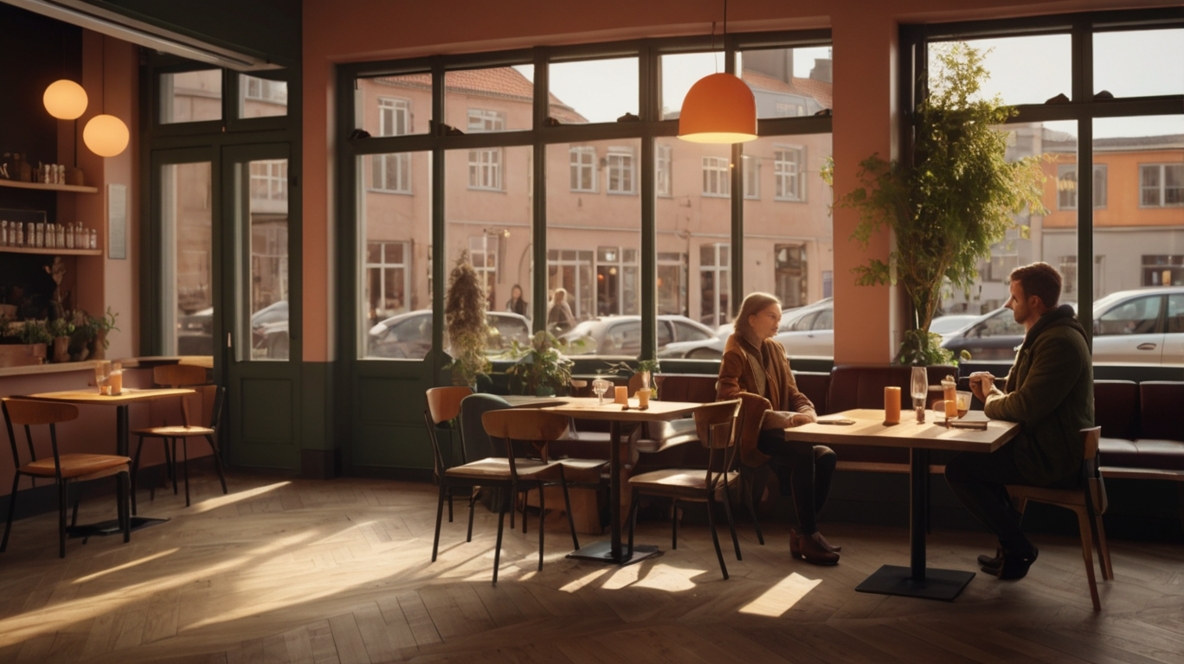
If you’ve ever visited Denmark or interacted with Danes, you might have noticed something striking: unlike many other cultures, small talk isn’t a staple of everyday conversations here. While you might ask a stranger “How’s your day?” in your home country, in Denmark, such casual chit-chat often feels awkward—or even unwelcome.
But this isn’t about coldness or rudeness. In fact, Danes are deeply social and value meaningful relationships. Their avoidance of small talk stems from cultural values, historical influences, and communication styles that prioritize authenticity, respect, and efficiency.
In this article, we’ll explore why Danes generally avoid small talk, how their communication style works, and practical tips for anyone who wants to navigate social interactions in Denmark successfully. Whether you’re planning to move, travel, or simply connect with Danish friends, this guide will help you understand the subtleties of Danish conversation culture.
Understanding Danish Conversation Culture and Small Talk
Minimal Small Talk
Danes typically avoid casual conversations with strangers. Small talk—such as chatting about the weather or weekend plans—isn’t a default social tool. In public spaces like buses, cafes, or queues, people often remain silent, respecting each other’s personal space.
Research shows that Danes are comfortable with silence during interactions. A Scandinavian Journal of Psychology study found that 65% of Danes view pauses in conversations as reflective moments rather than gaps that need filling. This comfort with silence creates an environment where conversations are more meaningful and intentional.
Example: If you’re waiting in line at a bakery, a Dane might smile politely but not start a conversation about the weather. This isn’t unfriendly—it’s a cultural norm.
The Influence of Janteloven
A key factor shaping Danish communication is a social code called Janteloven, or “Law of Jante.” It’s a cultural concept emphasizing humility, discouraging boasting, and valuing the collective over individual attention.
Because of this mindset, people avoid drawing attention to themselves through trivial or superficial chatter. Conversations are typically grounded in substance, focusing on shared understanding rather than social fluff.
Insight: This can surprise newcomers who come from cultures where casual talking is a way to bond quickly. In Denmark, meaningful conversation takes precedence over chatter.
Direct Communication Style
Danes are known for their direct and clear communication style. They tend to get straight to the point and appreciate brevity. Long, elaborate small talk is not only unusual but can sometimes be perceived as insincere.
Case Study: In Danish workplaces, meetings are structured and focused. Small talk at the beginning is minimal, with discussions quickly centering on the agenda. This approach reflects broader social norms, emphasizing efficiency, respect for time, and honesty.
Social Norms and Values Shaping Small Talk in Denmark
Respect for Personal Space
Personal space is highly valued in Denmark, not just physically but also conversationally. Interruptions are minimal, and people avoid imposing themselves through unnecessary chatter. This contributes to a culture where silence is acceptable and conversations are considered valuable when they occur.
Tip for Visitors: Avoid trying to force casual conversation in public spaces. Instead, focus on intentional interactions in settings where dialogue is expected, such as cafes, small social gatherings, or events.
Authenticity and Honesty
Danes value authenticity in their interactions. They prefer honesty and genuine interest over polite filler conversation. This is why meaningful questions and reflective discussions are welcomed, while superficial small talk is not.
Example: Asking someone about a project they care about, a hobby, or a recent experience is much more effective than commenting on the weather or other generic topics.
Comfort with Silence
Unlike many cultures that view silence as awkward, Danes embrace reflective pauses. Silence allows for thoughtful responses and deeper conversations. This approach encourages everyone in the conversation to engage meaningfully rather than speaking just to fill time.
Micro-Tip: If a Dane pauses during conversation, don’t rush to fill the silence—it’s often an invitation for thoughtful dialogue.
Reserved Nature in Social Settings
Danes can appear reserved to outsiders. This isn’t a lack of friendliness; it’s a cultural preference for deep over shallow interactions. Friendships often develop gradually, and trust is built over time.
Statistic: Studies suggest that roughly 70% of Danes prefer conversations with substance rather than casual chit-chat, highlighting their selective approach to social interaction.
Practical Tips for Small Talk and Engaging with Danes
1. Ask About Shared Interests
Questions about hobbies, sports, cultural activities, or travel are excellent conversation starters. They show genuine interest and encourage meaningful dialogue.
2. Discuss Current Events
Topics such as sustainable energy, local news, or politics are often welcomed in conversations with Danes. These subjects allow discussions to have substance.
3. Use Open-Ended Questions
Asking “how” or “why” questions encourages dialogue instead of yes/no answers. For example:
- “How did you get interested in that hobby?”
- “Why do you enjoy that type of work?”
4. Avoid Overly Personal Topics Early
Questions about income, relationships, or family are usually reserved for trusted friends. Respect boundaries to build rapport.
5. Respect Subtle Humor
Light, dry, or sarcastic humor is appreciated. Overly loud or exaggerated jokes may not resonate.
6. Observe Non-Verbal Cues
Eye contact, body language, and subtle facial expressions are key indicators of engagement. Pay attention to these cues to understand how the conversation is going.
7. Be Patient
Danes often think before they speak. Avoid rushing answers or pushing for immediate responses.
Why Understanding Small Talk Matters for Visitors and Expats
Understanding these conversational norms is essential for anyone moving to or visiting Denmark. Misinterpreting silence or avoiding small talk as rudeness can create unnecessary misunderstandings. Recognizing these cultural values allows you to:
- Build stronger, more meaningful relationships
- Navigate workplaces effectively
- Enjoy social interactions without miscommunication
Key Takeaways
- Danes avoid small talk because of cultural values like humility, authenticity, and efficiency.
- Silence is valued; conversations are meant to have substance.
- Understanding non-verbal cues, shared interests, and open-ended questions helps you engage meaningfully.
- Respect personal space and boundaries to build trust and lasting relationships.
Actionable Tip: When in doubt, focus on quality over quantity. Engage in conversations that feel meaningful, and don’t be afraid of silence—it’s part of the Danish way.
Conclusion: Navigating Small Talk in Denmark
Danes may seem reserved or avoid small talk, but this is a reflection of a culture that values depth, honesty, and respect. By embracing these communication styles, you can navigate social interactions in Denmark with confidence and form genuine connections.
If you found this guide helpful, share it with friends, comment your experiences, and explore more articles to get a deeper understanding of life in Denmark.