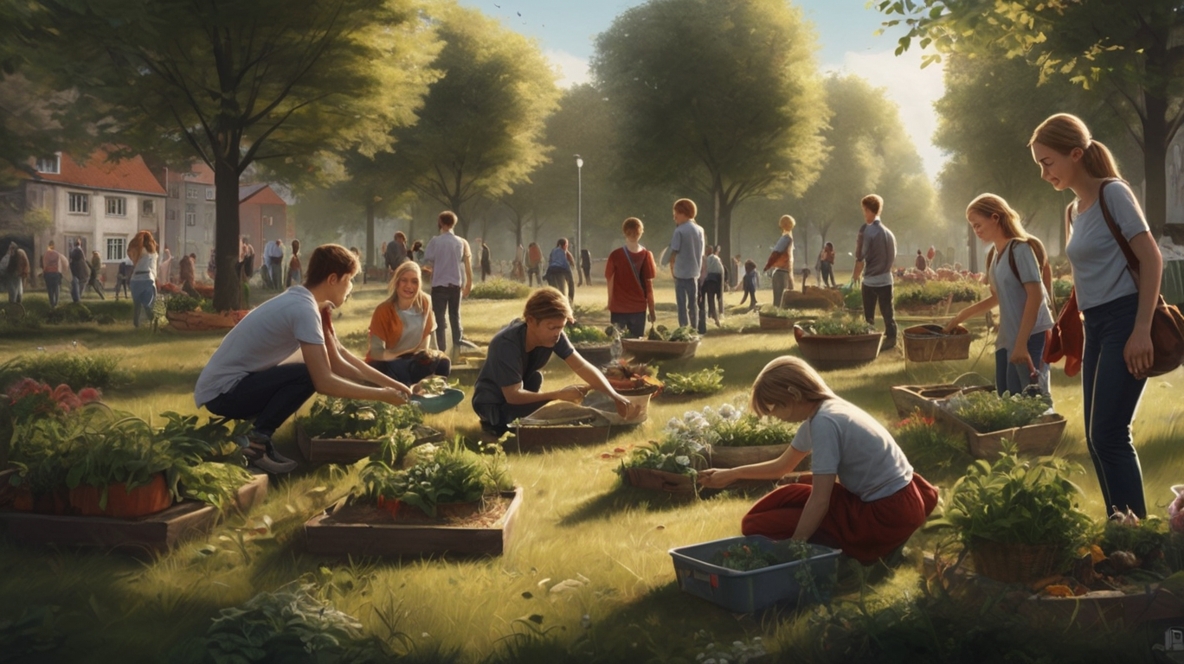
If you’re planning to move to Denmark or simply curious about its culture, you might be surprised to learn that nearly half of the Danish population engages in volunteering. This isn’t just about charity—it’s a cornerstone of Danish society, deeply woven into the fabric of their communities, workplaces, and daily lives.
In this article, we’ll delve into the reasons behind Denmark’s high volunteering rates, exploring its historical roots, cultural significance, and the modern-day impact on both volunteers and society.
🧵 A Tapestry of Tradition: The Historical Roots of Volunteering in Denmark
Denmark’s tradition of volunteering dates back over 150 years. In the late 19th century, the country experienced a surge in popular movements, leading to the establishment of numerous associations focused on various causes. These movements were instrumental in shaping Denmark’s democratic landscape and fostering a culture of civic engagement.
The enactment of the Danish Constitution in 1849, which guaranteed the right to form associations without prior approval, further solidified the role of voluntary organizations in Danish society. This legal framework allowed citizens to organize and address social issues collectively, laying the groundwork for the volunteer culture that thrives today.
👥 A Culture of Community: Volunteering as a Social Norm
In Denmark, volunteering is not merely an act of charity; it’s a fundamental aspect of social life. Approximately 40% of Danes engage in voluntary work, participating in activities ranging from sports clubs and cultural events to social services and environmental initiatives.
This widespread participation is rooted in the Danish concept of “folkelighed,” which emphasizes community involvement and collective responsibility. Danes view nonprofit work as a means to contribute to the common good, strengthen social bonds, and uphold democratic values.
🏛️ Volunteering and the Welfare State: A Symbiotic Relationship
Denmark’s robust welfare state, established in the mid-20th century, provides comprehensive social services to its citizens. However, the state’s support is complemented by a vibrant voluntary sector that addresses needs not covered by public services. This partnership ensures a holistic approach to social welfare, with volunteers filling gaps in areas such as mental health support, elderly care, and community development.
Moreover, the Danish government actively supports nonprofit work through policies that promote civic engagement and provide resources to voluntary organizations. This collaborative model enhances the effectiveness of both state and voluntary efforts in fostering a cohesive and resilient society.
👩💻 Volunteering in the Digital Age: Modern Trends and Opportunities
The landscape of nonprofit work in Denmark has evolved with technological advancements. Digital platforms now facilitate online volunteering, allowing individuals to contribute remotely to various causes. This flexibility has made volunteering more accessible, enabling people with busy schedules or mobility challenges to participate.
Additionally, short-term and project-based nonprofit work has gained popularity, particularly among younger generations. These opportunities allow individuals to engage in meaningful activities without long-term commitments, aligning with contemporary lifestyles and preferences.
🌍 Volunteering as a Gateway to Integration for Newcomers
For immigrants and newcomers to Denmark, volunteering offers a valuable pathway to integration. Engaging in volunteer work provides opportunities to practice the Danish language, understand cultural norms, and build social networks. Many organizations actively encourage participation from diverse backgrounds, fostering inclusivity and mutual understanding.
Furthermore, volunteering can enhance employability by providing experience and skills that are recognized by Danish employers. In a competitive job market, such involvement can be a significant asset.
💼 Nonprofit work and Professional Development
In Denmark, volunteering is often seen as a valuable addition to one’s professional portfolio. Employers appreciate candidates who demonstrate initiative, teamwork, and a commitment to social responsibility. Nonprofit work can provide practical experience, leadership opportunities, and a broader understanding of societal issues—all of which are attractive qualities in the Danish job market.
Moreover, the skills gained through volunteering, such as project management, communication, and problem-solving, are transferable to various professional settings, enhancing career prospects.
🧠 The Personal Benefits of Nonprofit work
Beyond societal contributions, volunteering offers numerous personal benefits. Studies have shown that individuals who engage in volunteer work experience increased life satisfaction, reduced stress levels, and improved mental health. The sense of purpose and fulfillment derived from helping others contributes to overall well-being.
Additionally, volunteering provides opportunities for personal growth and skill development. Whether it’s learning new competencies, gaining confidence, or expanding one’s worldview, the experiences gained through volunteering can be profoundly enriching.
🧭 How to Get Involved in Volunteering in Denmark
Getting started with volunteering in Denmark is straightforward. Here are some steps to help you embark on your nonprofit work journey:
- Identify Your Interests: Consider causes or activities you’re passionate about, such as environmental conservation, education, or social services.
- Research Opportunities: Explore platforms like Frivilligjob.dk to find available positions that match your interests.
- Reach Out: Contact organizations directly to inquire about volunteer opportunities and application processes.
- Prepare Your Application: Tailor your CV and cover letter to highlight relevant skills and experiences.
- Engage and Contribute: Once accepted, actively participate in activities, collaborate with fellow volunteers, and make a positive impact.
📝 Conclusion: Nonprofit work —A Pillar of Danish Society
Volunteering in Denmark is more than just an act of kindness; it’s a vital component of the nation’s social fabric. Rooted in a rich history of civic engagement and supported by a collaborative welfare model, volunteering fosters community cohesion, personal development, and societal progress.
Whether you’re a newcomer seeking to integrate into Danish society, a professional looking to enhance your skills, or an individual eager to make a difference, nonprofit work offers a meaningful and rewarding path.