Introduction: Why Copenhagen Captures Hearts
Few cities in the world manage to be both effortlessly charming and forward-thinking. Copenhagen, Denmark’s capital, is one of them. If you’re visiting Copenhagen for the first time, prepare yourself for an experience where colorful history, modern innovation, and a unique sense of coziness come together in one place.
Whether you’re planning a short trip, considering moving here, or just curious about what makes Denmark so special, Copenhagen is the perfect starting point. But if you’ve never been to Denmark before, you might not know what to expect. How does the city work? What are the must-see sights? And how can you experience the city like a local instead of just another tourist?
This guide breaks everything down in a clear, friendly way—so you’ll walk into Copenhagen feeling informed, excited, and ready to make the most of your visit.
A Quick Overview of Copenhagen
- Population: Around 650,000 in the city, 1.4 million in the greater metro area.
- Language: Danish, but almost everyone speaks English fluently.
- Currency: Danish Krone (DKK).
- Reputation: One of the world’s most livable and happiest cities.
- Fun fact: Copenhagen plans to be the world’s first carbon-neutral capital by 2025.
Copenhagen is often described as a city of contrasts: it’s historic but modern, cozy but cosmopolitan, small but packed with experiences. For first-time visitors, this balance is what makes it so unforgettable.
Getting Around: Bikes, Buses, and Boats
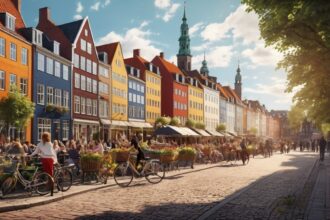
One of the first things you’ll notice is the bicycle culture. Copenhagen isn’t just bike-friendly—it’s bike-obsessed. There are more bicycles than cars in the city, and nearly half of residents commute by bike daily.
- Renting a bike is easy. Services like Donkey Republic or Bycyklen (city bikes with GPS) make it tourist-friendly.
- Public transport is efficient and clean, with metro, buses, and S-trains covering the city. Tickets are digital (via the DOT app) or available at stations.
- Boats and ferries: You can even take the harbor bus, a public ferry that’s part of the metro system, offering scenic views for the same price as a bus ticket.
Tip: If you’re staying for a few days, consider the Copenhagen Card, which covers unlimited transport plus entry to many attractions.
Nyhavn: The Iconic Postcard of Copenhagen
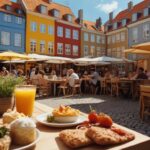
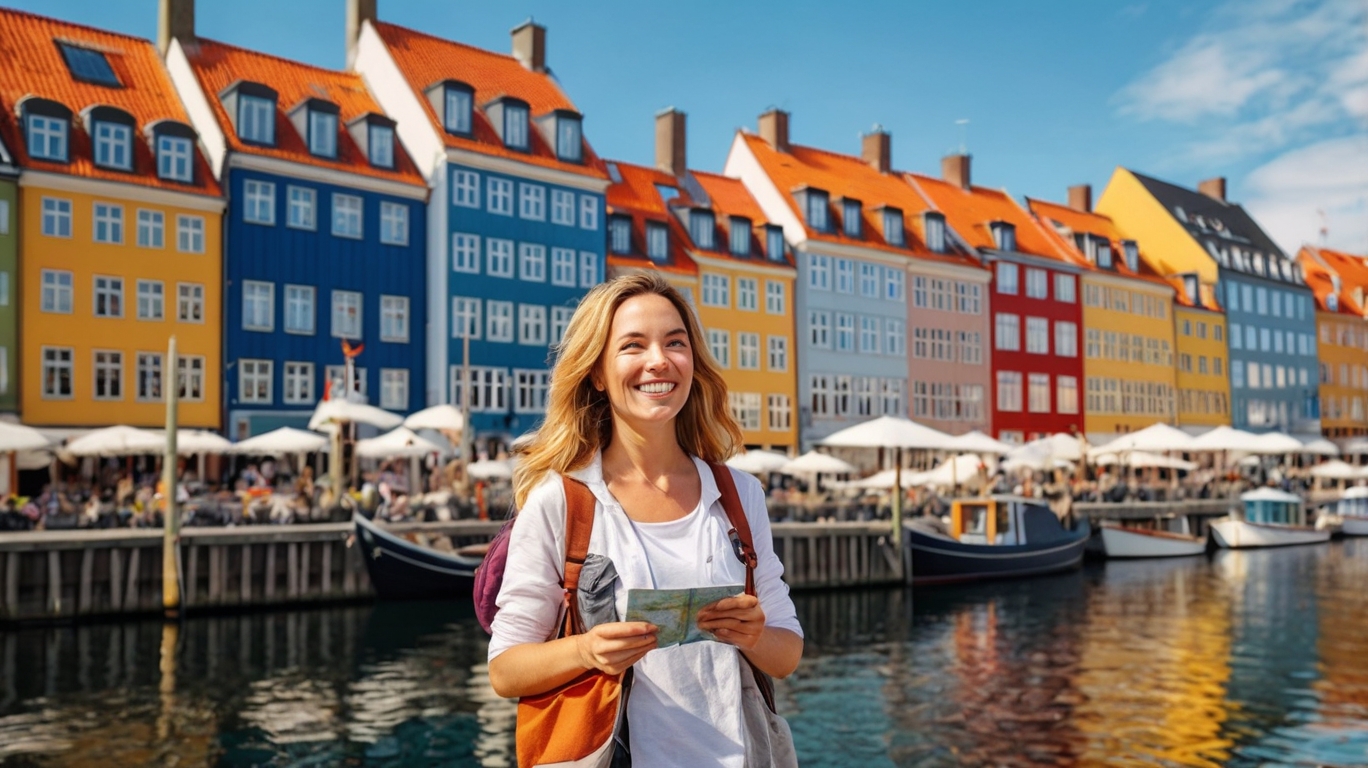
If you’ve seen photos of Copenhagen, chances are they were of Nyhavn. This 17th-century harbor, with its colorful houses and lively atmosphere, is the city’s most famous landmark.
- Originally a busy commercial port where sailors, pubs, and warehouses thrived, Nyhavn today is filled with cafes, restaurants, and street performers.
- It’s also a great starting point for canal tours, which showcase both historic and modern Copenhagen from the water.
- Famous author Hans Christian Andersen (known for fairy tales like The Little Mermaid) once lived in several houses along Nyhavn.
For a first-time visitor, this is a must-see—not just for the Instagram-worthy photos but also for the way it captures Copenhagen’s soul: colorful, historic, and lively.
Royal Copenhagen: Castles, Palaces, and History
Denmark has one of the world’s oldest monarchies, and Copenhagen is the heart of its royal heritage.
- Rosenborg Castle: Built in the 1600s, this fairy-tale castle houses the Danish crown jewels. The surrounding King’s Garden is perfect for a picnic or walk.
- Amalienborg Palace: The official residence of the royal family. Visitors gather here to watch the Changing of the Guard at noon.
- Christiansborg Palace: Unique because it houses all three branches of government—parliament, supreme court, and the prime minister’s office. Parts are open to visitors, including the royal reception rooms.
For anyone new to Denmark, visiting these sites offers a crash course in the nation’s long history and enduring traditions.
The Little Mermaid: More Than a Statue
No trip to Copenhagen is complete without visiting the Little Mermaid statue. While some travelers joke that it’s smaller than expected, it remains one of the city’s most visited attractions.
- Inspired by Hans Christian Andersen’s fairy tale, the statue has been sitting at Langelinie Pier since 1913.
- It’s a symbol of Denmark’s storytelling heritage and its strong connection to the sea.
Combine your visit with a walk along the waterfront, where you’ll also spot modern landmarks like the Opera House and Royal Danish Playhouse.
Embracing Hygge: The Danish Way of Life
Visitors often hear about the Danish concept of hygge (pronounced hoo-gah). It means coziness, warmth, and enjoying simple pleasures.
You’ll notice it everywhere in Copenhagen:
- Cafes with candles and soft lighting.
- Parks where locals relax with friends.
- Winter markets filled with hot drinks and laughter.
Understanding hygge helps newcomers appreciate why Danes consistently rank as some of the happiest people in the world. It’s not about luxury—it’s about slowing down and enjoying the moment.
Copenhagen’s Green Vision: A Sustainable Capital
If you’re moving to Denmark or just curious about how the city works, Copenhagen’s green policies are important to know.
- Bicycles: A central part of reducing carbon emissions.
- Wind energy: Denmark is a leader in renewable energy, and you’ll see offshore wind farms near the city.
- Architecture: Many modern buildings are designed with sustainability in mind, like CopenHill (a power plant with a ski slope on its roof).
For first-time visitors, this means you can experience a city that feels modern, clean, and environmentally conscious without losing its charm.
Food in Copenhagen: From Street Snacks to Michelin Stars
Copenhagen is one of the world’s top food destinations. For newcomers, the variety can be surprising.
- Smørrebrød: Traditional open-faced sandwiches with toppings like pickled herring, roast beef, or eggs.
- Hot dogs: Yes, Danish hot dogs are a thing—loaded with toppings and often found at street stalls.
- Torvehallerne Market: A foodie heaven near Nørreport Station with fresh produce, gourmet treats, and international options.
- Fine dining: Copenhagen is home to several Michelin-starred restaurants, including Noma, often ranked the world’s best.
Even if you’re on a budget, you can still eat well. Bakeries like Lagkagehuset (Ole & Steen abroad) are famous for pastries such as kanelsnegle (cinnamon rolls).
Hidden Copenhagen: Quirky and Alternative Sights
Beyond the main attractions, Copenhagen has a quirky side worth exploring.
- Freetown Christiania: An alternative neighborhood founded in the 1970s. Known for its murals, organic cafes, and independent spirit.
- Meatpacking District (Kødbyen): Once industrial, now filled with art galleries, restaurants, and nightlife.
- Superkilen Park: A public park that celebrates global diversity, with designs and objects from over 50 different countries.
These spots reveal the city’s creativity and open-minded culture—perfect for travelers who want to go beyond the tourist trail.
Museums and Culture: Learning About Denmark
If you’re considering moving to Denmark, museums are a great way to understand its identity.
- National Museum of Denmark: From Viking artifacts to modern history, this is the country’s cultural treasure chest.
- Louisiana Museum of Modern Art (just outside Copenhagen): Famous for its stunning coastal setting and world-class exhibitions.
- Danish Design Museum: Showcasing why Danish design is globally admired for simplicity and function.
These cultural experiences offer both education and inspiration, especially for visitors unfamiliar with Denmark.
Practical Tips for First-Time Visitors
- When to visit:
- Summer (June–August): Warm, lively, long daylight hours.
- Winter (December): Magical Christmas markets, but shorter days.
- Costs: Copenhagen can be pricey. Budget travelers should explore bakeries, street food, and free attractions like parks and gardens.
- Language: English is widely spoken, so don’t worry if you don’t know Danish.
- Weather: Bring layers, as the climate can be unpredictable.
Should You Visit, Travel, or Move Here?
Here’s a question to consider:
Would you prefer to enjoy Copenhagen as a short, magical travel experience—or can you imagine yourself living here long-term, embracing its culture, sustainability, and lifestyle?
Both choices are rewarding. Some people fall in love as tourists and return later as residents. Either way, visiting Copenhagen for the first time often sparks a lasting connection.
Conclusion: Your First Step into Denmark
Visiting Copenhagen for the first time is more than a trip—it’s an invitation to experience Denmark’s history, culture, and modern spirit. From Nyhavn’s colorful harbor to the royal palaces, from cozy hygge cafes to futuristic green architecture, this city offers something for everyone.
Whether you’re a traveler eager to explore or someone considering a move, Copenhagen will leave you inspired. And once you’ve felt the city’s rhythm—biking along canals, sipping coffee in candlelight, or tasting your first smørrebrød—you’ll understand why it’s often called one of the world’s happiest capitals.
👉 Ready to learn more? Explore guides on Danish traditions, moving tips, and hidden gems across Denmark. Don’t forget to share your thoughts in the comments: What’s the first thing you’d do in Copenhagen—visit a castle or rent a bike?
P20250510-003