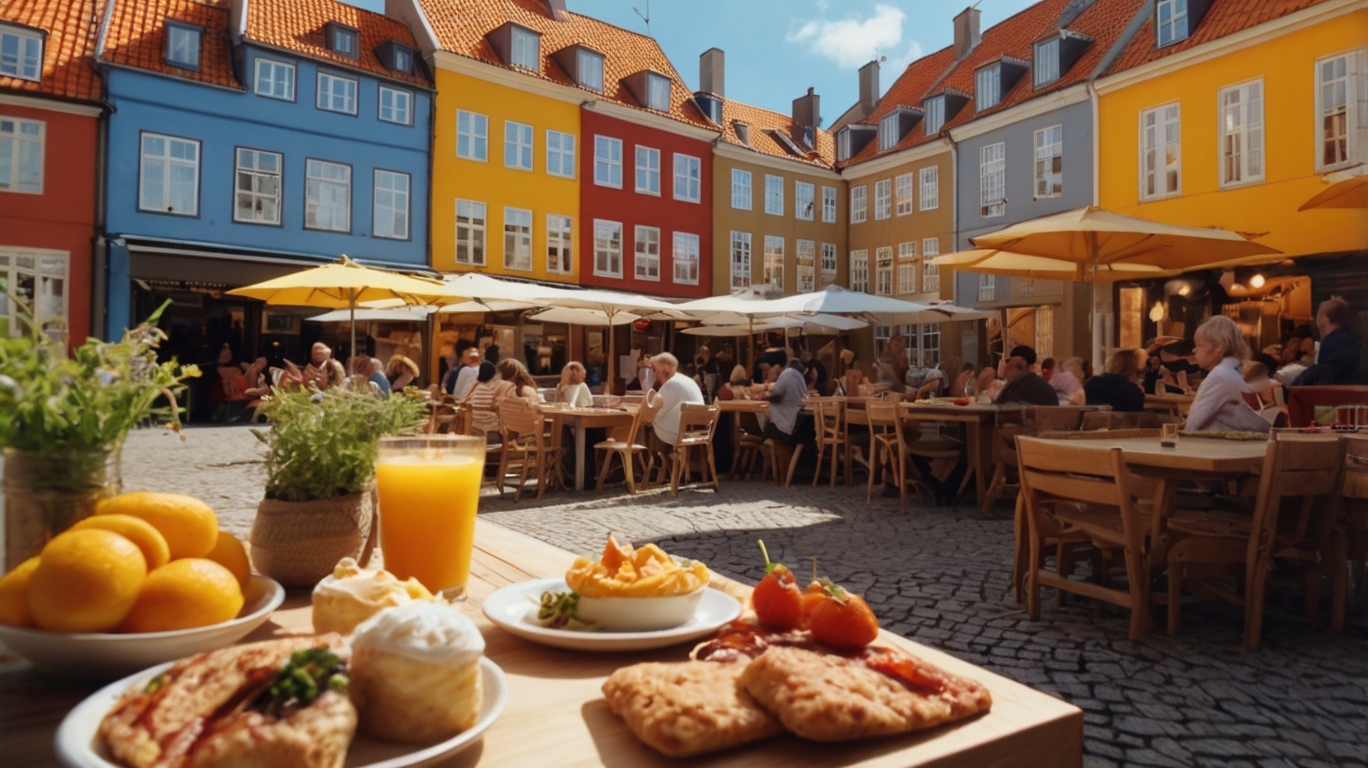
Introduction: Why Copenhagen’s Food Scene Matters
When most people think of Denmark, the first images that come to mind are colorful houses along Nyhavn, bicycles everywhere, and maybe even the Little Mermaid statue. But there’s another side to Copenhagen that’s just as iconic: its food. The Danish capital has become one of the most exciting food destinations in the world, with everything from traditional sandwiches and fresh seafood to avant-garde Michelin-star dining experiences.
If you are planning to visit or even move to Denmark, understanding where and how to eat in Copenhagen is essential. Food here isn’t just about satisfying hunger—it’s about culture, history, and community. In this guide, we’ll explore the very best places to eat in Copenhagen, explain what makes Danish cuisine unique, and give you practical tips for enjoying it like a local.
The Evolution of Danish Cuisine
From Simple to Sophisticated
For much of its history, Danish food was simple and practical. Traditional dishes used ingredients that were easy to find locally: rye bread, herring, pork, potatoes, and root vegetables. Meals were hearty and filling, designed to keep people warm in the cold Nordic winters.
But in the last two decades, Copenhagen has transformed into a global leader in gastronomy. The rise of the New Nordic Cuisine movement, led by chefs like René Redzepi of Noma, has put Danish food on the world map. This philosophy focuses on seasonal, local, and sustainable ingredients, often sourced directly from Denmark’s fields, forests, and seas.
Today, Copenhagen balances both worlds: you can enjoy traditional comfort foods like smørrebrød (open-faced sandwiches) alongside experimental fine dining that looks more like art than a meal.
Fine Dining: The Michelin Stars of Copenhagen
If you’ve heard about Copenhagen’s food scene, it’s probably because of its Michelin-starred restaurants. For such a small city, Copenhagen boasts an impressive number of globally recognized dining spots.
Noma – The Icon of New Nordic Cuisine
- Why visit? Noma is considered one of the best restaurants in the world, often ranked #1 globally. The menu changes with the seasons—seafood in spring, vegetables in summer, and game in autumn.
- What makes it unique? Chef René Redzepi emphasizes local and foraged ingredients. You might taste moss, wild herbs, or even reindeer.
- Price range: Very expensive (expect a waiting list and several hundred euros per person).
Geranium – Dining Above the City
- Why visit? Geranium holds three Michelin stars and was crowned World’s Best Restaurant 2022.
- Experience: Located in Parken Stadium, it offers panoramic views of Copenhagen along with elegant, artistic dishes.
- Style: Geranium specializes in seafood and plant-based ingredients, making dining here feel like a fine art exhibition.
Alchemist – More Than Food
- Why visit? This is not just dinner; it’s a theatrical experience. With over 40 courses spread across multiple dining environments, Alchemist blends art, science, and social commentary.
- What to expect: Dishes can carry messages about sustainability, climate change, or even politics. It’s food designed to make you think.
💡 Tip for travelers: Getting a reservation at these restaurants can be difficult. Book months in advance, or consider adding your name to waiting lists.
Traditional Danish Food: Smørrebrød and More
Not everyone comes to Copenhagen to spend hundreds of euros on dinner. Luckily, some of the best culinary experiences are also the most affordable and deeply cultural.
Smørrebrød – The Open-Faced Sandwich
This is perhaps the most iconic Danish dish. A slice of dense rye bread is topped with ingredients like pickled herring, roast beef, liver pâté, or eggs with shrimp.
- Ida Davidsen: Famous for its massive menu of over 200 smørrebrød variations. A true institution.
- Selma: A modern twist on tradition, awarded a Michelin Bib Gourmand for its creative versions.
Danish Hot Dogs
Street food has its place in Danish culture too. The traditional pølsevogn (hot dog stand) serves sausages with remoulade, ketchup, mustard, crispy onions, and pickles.
- John’s Hotdog Deli: Beloved by locals, with a creative spin on toppings.
Classic Danish Comfort Foods
If you want to go beyond sandwiches:
- Stegt flæsk med persillesovs – Crispy pork belly with parsley sauce and potatoes (so popular it was once voted Denmark’s national dish).
- Frikadeller – Danish meatballs, often served with potatoes and gravy.
Communal Dining: Eat with Locals
Food in Copenhagen is not always about luxury. Sometimes, it’s about connection.
- Absalon: A former church transformed into a community center, where locals and tourists share long communal tables for dinner. Meals are simple, affordable, and social—perfect if you’re new in town and want to meet people.
- Folkekøkken (People’s Kitchens): Found in several neighborhoods, offering cheap dinners designed to bring communities together.
This style of dining reflects the Danish concept of hygge: coziness, warmth, and a sense of belonging.
Street Food and Markets: Affordable & Diverse
Copenhagen embraces international flavors through its thriving street food markets.
Reffen – Copenhagen Street Food
- What is it? A massive outdoor market with over 100 stalls.
- Why visit? You can try everything from Danish classics to Thai, Mexican, and Ethiopian dishes—all while enjoying live music and a view of the harbor.
Torvehallerne – The Glass Market
- What is it? A modern indoor food market near Nørreport Station.
- Specialties: Fresh fish, gourmet chocolates, organic vegetables, and, of course, smørrebrød.
- Tip: Try Coffee Collective for some of the best coffee in the city.
Kødbyen – The Meatpacking District
- Atmosphere: Industrial and trendy, this area is filled with restaurants, bars, and art galleries.
- Highlight: Kødbyens Fiskebar, famous for oysters and seafood in a cool urban setting.
Don’t Forget the Bakeries in Copenhagen
Copenhagen is a paradise for pastry lovers. The world knows Danish pastries (though here they’re just called wienerbrød).
- Juno the Bakery: Famous for cardamom buns—expect long lines but worth the wait.
- Lagkagehuset (Ole & Steen abroad): A popular bakery chain offering rye bread, cinnamon rolls, and cakes.
- Skt. Peders Bageri: Known for its Wednesday cinnamon rolls, which are legendary among locals.
Coffee Culture in Copenhagen
Danes take coffee seriously. In fact, Denmark is among the top coffee-consuming nations in the world.
- Coffee Collective: Ethically sourced beans and expert brewing.
- Democratic Coffee: Located at the Royal Library, famous for almond croissants.
- Prolog Coffee Bar: Cozy spot in the Meatpacking District.
💡 Cultural note: Coffee breaks are an important part of social life and the workplace. Don’t be surprised if coffee comes with every meeting or visit.
Eating Out in Copenhagen: Practical Tips for Visitors
- Reservations: For popular restaurants, book ahead—sometimes months in advance.
- Prices: Copenhagen is expensive. A regular meal at a mid-range restaurant can cost €20–40 per person. Street food and bakeries are more budget-friendly.
- Tipping: Service is included in the bill. A small round-up is appreciated but not required.
- Dietary Options: Vegetarian, vegan, and gluten-free options are widely available, especially in modern restaurants.
- Alcohol: Beer is popular, but Denmark also has a strong craft beer scene (check out Mikkeller).
Why Food in Copenhagen is More Than a Meal
Eating in Copenhagen is not just about the food—it’s about experiencing Danish culture. From the world-class artistry of Michelin chefs to the coziness of sharing a meal at a community table, food reflects how Danes live: sustainably, socially, and with a sense of joy.
For travelers, it’s a way to explore the city beyond sightseeing. For expats, it’s a doorway into understanding local traditions and values.
Conclusion: Start Your Culinary Journey in Copenhagen
Copenhagen offers one of the most diverse and exciting food scenes in the world. Whether you’re:
- Exploring fine dining at Geranium or Noma,
- Tasting tradition with smørrebrød or hot dogs,
- Meeting locals over communal dining at Absalon, or
- Grabbing street food at Reffen,
…you’ll find that every meal tells a story about Denmark.
👉 So, when planning your visit, don’t just think about what to see—think about where to eat in Copenhagen. Because here, the city’s soul is found on the plate.
Call-to-action: Have you tried Danish food before? Share your favorite dish in the comments below—and don’t forget to follow Denmark Explained for more insights into Danish culture, travel, and lifestyle.
P20250510-009