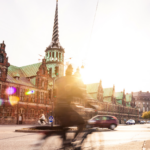
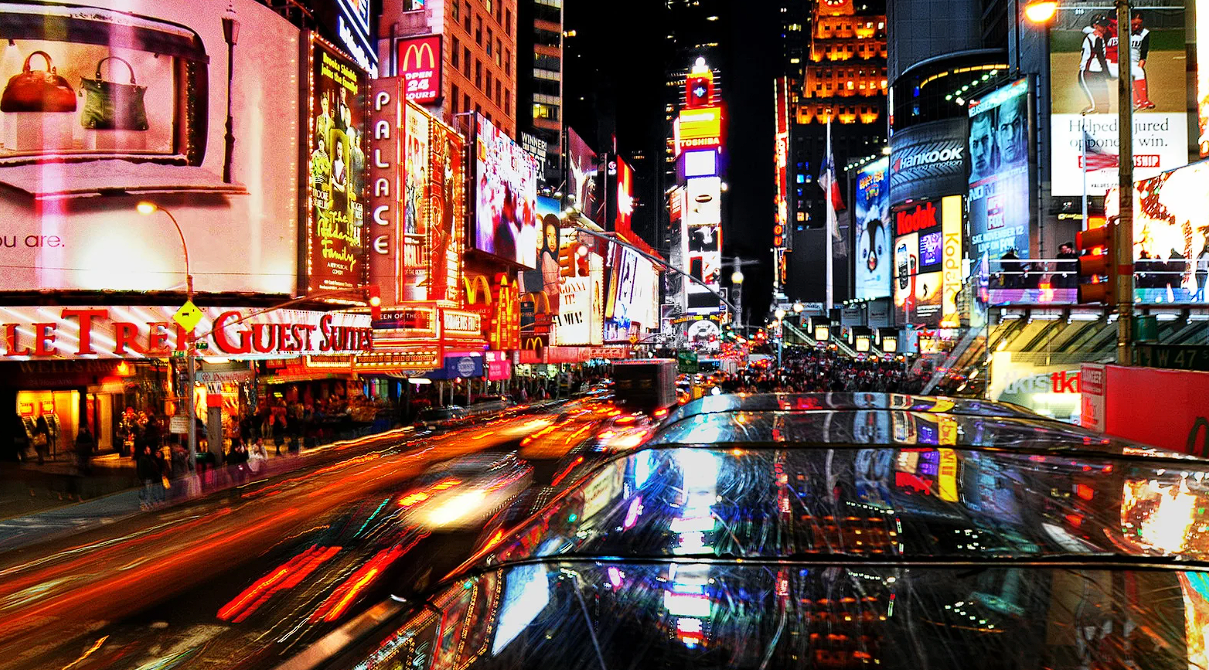
Copenhagen, the city of sleek design, quiet streets, and measured restraint. London, a chaotic storm of ambition, where power hums beneath the pavement. They are two European capitals, separated by a narrow stretch of sea, yet worlds apart in spirit. One thrives on control, the other on the absence of it. One whispers, the other shouts. And yet, beneath the surface of their differences, both are fighting an internal battle—between what they were, what they are, and what they are becoming.
The Weight of History in Copenhagen vs London
London is an empire wrapped in a city, its skyline a schizophrenic battlefield of glass towers clawing at history’s crumbling bones. The ghosts of Shakespeare and Churchill mingle with those of forgotten industrial workers who built its foundation. Every street feels like a contradiction—where Victorian opulence stands beside the cold efficiency of modern finance. The weight of its past is crushing, yet London refuses to stand still, always reinventing, always consuming itself in the name of progress.
Copenhagen, in contrast, carries its history like a quiet secret. The city wears its past with care, preserving its cobbled streets and merchant houses like relics of a forgotten simplicity. The Danes believe in harmony, in balance, in making space for the old even as they build the new. But there is a tension here, too—a creeping sense that, in their effort to preserve identity, they are slowing down in a world that demands acceleration.
The Struggle for Identity in Copenhagen vs London
In London, identity is fluid. The city is a magnet for the ambitious, a stage where the boldest rewrite their stories. It is thrilling, it is brutal. Success is intoxicating, but failure here is a lonely descent. In a city of ten million, anonymity is both a gift and a curse. The streets teem with possibility, but also with the weight of competition—where you are never quite enough, never quite settled.
Copenhagen, meanwhile, clings to a sense of identity so strong that it risks becoming rigid. The city prides itself on its values—equality, sustainability, a high quality of life. But what happens when a place is so defined by its way of life that there is no room for those who do not fit? The quiet order can be stifling for those who crave more than just a well-measured existence. Is there space for ambition in a city so carefully curated?
The Future They Fear
London fears stagnation. It is addicted to reinvention, to tearing down and rebuilding. But at what cost? The city is eating itself, its soul dissolving into corporate steel and faceless wealth. The past is being sold to the highest bidder, while those who made London what it is are pushed to its fringes. Will it continue to thrive, or will its hunger for progress leave it hollow?
Copenhagen fears disruption. It has mastered the art of livability, of balance—but can it withstand the forces of a changing world? Can it open itself to those who might challenge its traditions without losing what makes it unique? Or will its careful curation turn it into a museum of itself, admired but never truly experienced?
The Choice
So, which fate is worse? A city that moves too fast to remember itself, or one that holds on so tightly to its past that it risks being left behind?