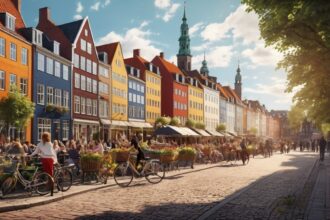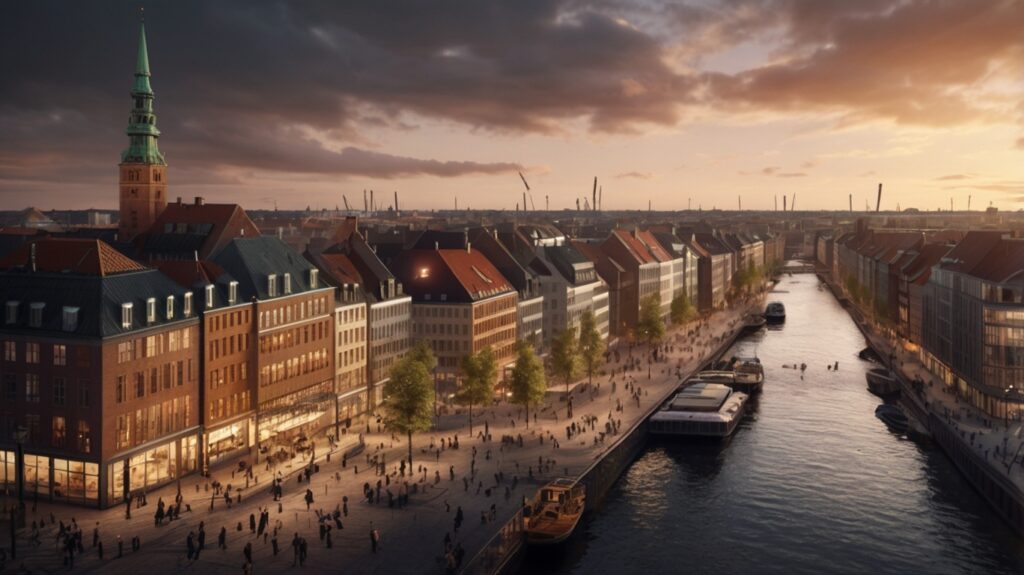
Copenhagen City, the capital of Denmark, is often painted as a utopia—charming streets, pristine canals, and a skyline filled with modern architecture and centuries-old buildings. Its city center, with its blend of the old and the new, exudes an image of efficiency, cleanliness, and high living standards. For visitors and residents alike, the area seems like the embodiment of Scandinavian perfection. Yet, beneath the surface of Copenhagen’s polished exterior, lies a different story—a tale of economic disparity, gentrification, and a rapidly changing urban landscape that some feel is threatening the city’s heart.
The Rise of Gentrification: Changing the Face of the City
As Copenhagen’s economy has boomed in recent years, so too has its real estate market. The city center, once home to working-class communities and small local businesses, is undergoing a profound transformation. Gentrification has swept through once vibrant neighborhoods, pushing out those who cannot afford to keep up with the rising rents and living costs.
In areas like Vesterbro and Nørrebro, long-established residents are finding it increasingly difficult to remain in their homes. What was once an affordable place for lower-income families and artists to live is now becoming the domain of affluent professionals and tourists. This shift has led to the displacement of many, forcing them to move further out from the city center, often to the outskirts where public transportation links are less convenient.
The heart of Copenhagen, once a place of community and culture, is being transformed into a playground for the wealthy. New luxury apartment complexes are rising where once there were affordable housing units. Posh cafés and high-end boutiques are replacing the local shops and eateries that once served as gathering places for Copenhagen’s working class. The authenticity of the city is fading, replaced by a sanitized version that caters to the elite and those with disposable income.
The Cost of Progress: A Strain on Local Businesses
While Copenhagen is often praised for its entrepreneurial spirit, the rapid development has come at a cost for local businesses. Small, independent shops that once defined the character of the city center are being replaced by global chains and franchises. The city has become more homogenized, with high-end shopping streets like Strøget becoming a reflection of global capitalism rather than a place where unique, locally owned stores thrive.
The displacement of small businesses has a ripple effect on the city’s culture. Copenhagen’s identity has always been tied to its sense of individuality, its ability to support local artisans and entrepreneurs. But as rents soar and the city becomes more commercialized, the diversity of the city’s offerings has diminished. In their place are international retail giants that draw tourists in, but fail to capture the essence of the city’s spirit.
As more international brands move in, Copenhagen’s residents are left to grapple with the loss of what made the city truly their own. For many, the transformation of the city center is a painful reminder of how unchecked progress can erode local culture and community.
The Struggle for Affordability and the Changing Demographics
One of the most glaring consequences of the gentrification of Copenhagen’s city center is the increasing inequality between the wealthy and the working class. As luxury housing and expensive retail establishments continue to dominate the landscape, those who rely on affordable housing are pushed further to the periphery. This divide is more than just an economic issue—it’s a social one, as the city’s character begins to shift from one of inclusivity and diversity to one of exclusivity and segregation.
The rising cost of living in Copenhagen is also putting pressure on the younger generation. Many young people who grew up in the city are finding it increasingly difficult to afford to live in the center of their own home. They are forced to make difficult choices—either moving further out and commuting for longer hours or sacrificing their dreams of living in the vibrant city they love.
This trend has sparked protests and calls for action from residents and activists who believe that Copenhagen’s rapid development is coming at the expense of the community. They argue that the city is becoming a playground for the rich, with little regard for the needs of the people who built its cultural and social fabric.
The Strain on Copenhagen’s City Environmental Goals
Copenhagen has long been a leader in sustainability, striving to become the world’s first carbon-neutral capital by 2025. However, the rush to develop the city center has raised concerns about the environmental impact of the rapid construction projects taking place. Many of these developments are built with little regard for the city’s green ambitions, using materials and practices that contribute to pollution and waste.
While the city’s green initiatives—such as extensive bike lanes, green spaces, and renewable energy projects—have been praised, the environmental toll of unchecked urban expansion is becoming evident. The rapid pace of construction and the rise in car traffic that comes with gentrification threaten to undo some of the progress Copenhagen has made in its bid to be a sustainable city.
The Future of Copenhagen’s City Center: A Crossroads
As Copenhagen’s city center continues to evolve, it faces a critical juncture. The question arises: what will the future hold for the city? Will it maintain its reputation as a thriving, inclusive city that welcomes people of all backgrounds, or will it become a glossy, exclusive destination for the wealthy and tourists, leaving its local residents and cultural heritage behind?
So, as Copenhagen grows and changes, you must ask yourself:
- Should the city continue its rapid development at the expense of local communities and businesses, or should it prioritize preserving the essence of what makes Copenhagen unique?
- Is it worth sacrificing the affordability and diversity of the city for progress, or should Copenhagen find a way to balance growth with the needs of its citizens?
The answers to these questions will determine the future of one of Scandinavia’s most iconic cities. Will Copenhagen’s city center continue to reflect the ideals of sustainability, inclusivity, and community, or will it become another city swallowed by the forces of global capitalism? Only time will tell.
Source & Research Material:
City of Copenhagen Official Site – Urban planning and development updates
Statistics Denmark – Data on housing prices, demographics, and gentrification
The Local Denmark – News about Copenhagen housing, urban changes, and social issues
Copenhagen Post – Articles on city culture, costs, and urban life
ArchDaily – Projects and architecture in Copenhagen’s urban transformation
Urban Studies Journal – Research on gentrification and urban transformation in European cities
Danish Architecture Center (DAC) – Studies on sustainable urban development in Copenhagen
Reddit r/DenmarkExplained – Community discussions about Copenhagen and Danish life
Numbeo – Cost of living and housing prices in Copenhagen
Expatistan – Comparison of living costs in Copenhagen
You May like:
-
How Danish News Built a Surprisingly Calm Fascinating Media Culture
News & coffee: Imagine a quiet morning in Denmark. The sky is grey.You sit with a warm cup of coffee. Then you open the news. The headlines talks about politics, schools, the weather, and the world.Some stories are serious.Some stories talk about problems. But the coverage still feels calm. No shouting.No loud drama.Just clear information.…
-
Why Proven Ways Make People Secure and Happy
Denmark built its system slowly. Leaders worked step by step. Their goal was simple. Life should feel fair and stable. Because of this, rules do not change very often. As a result, people trust the system. Meanwhile, the United States showed a different style during the Trump years. Politics moved fast. Big choices came quickly.…
-
I Spent 7 Days in The Great Danish Winter Darkness
Darkness is the first thing you notice in a Danish winter. It is not silence. Instead, it is a quiet that slowly settles over everything. Streets feel calmer. Houses glow softly from inside. Even the air feels still. Winter changes the rhythm of Denmark. The sun rises late. Sometimes it hides behind clouds. When daylight…
-
How Kids Explore Risky Play Better
Playgrounds in Denmark often surprise visitors. Many people expect soft floors and very safe equipment. However, Danish playgrounds feel more adventurous. Children climb tall wooden towers. Others balance on logs or rope bridges. Some build huts with planks and ropes. At first, the space may look messy or even risky. Yet the design is intentional.…
-
How Denmark Builds a Powerful World of Trust
Introduction Have you ever walked down a Copenhagen street and noticed a pram (baby carriage) left outside a café, or seen children playing freely without adults hovering? For many visitors, these are striking signs that something about Danish life feels different. It’s not just safety, it’s trust—and more importantly, this trust is taught from a…
-
The Welfare Myths: Hidden Truths About Life in Denmark
Introduction to Copenhagen: Beyond the Stereotypes When most people think of Copenhagen, a few familiar images pop up: bicycles, colorful houses along the canal, happy people, and maybe even fairy tales written by a certain famous author. But here’s the truth—you might be wrong about Copenhagen. For travelers, expats, and curious readers, the Danish capital…
P20250406-004