Introduction: From Longships to Modern Denmark
When most people think of Denmark, they imagine cozy streets of Copenhagen, bicycles everywhere, and hygge—the famous Danish sense of cozy contentment. But few realize that the foundation of modern Denmark was laid over a thousand years ago by the Vikings. These seafaring warriors, traders, and settlers shaped not only Denmark’s geography and economy but also its culture, governance, and identity.
For anyone looking to know, travel, or move to Denmark, understanding this Viking heritage is key to appreciating how the country evolved into the modern, progressive nation it is today. From raiding longships to thriving cities, the journey of Denmark is a fascinating story of resilience, innovation, and cultural integration.
The Viking Era: An Overview (c. 800–1050 AD)
The Viking Age was a period marked by expansion, trade, and exploration. Denmark, located in the heart of Scandinavia, became the launching point for many Viking expeditions.
Who Were the Vikings?
- Origins: The Vikings originated from what is now Denmark, Norway, and Sweden. They were skilled sailors, warriors, and traders.
- Lifestyle: Most Vikings were farmers in their daily lives, but during the summer months, many took to the sea for trade, exploration, or raids.
- Society: Viking society was hierarchical but relatively mobile. Chiefs, warriors, and freemen coexisted with thralls (slaves).
Denmark as a Viking Hub
Denmark’s geography, with its vast coastline, fjords, and proximity to continental Europe, made it a natural base for maritime activity. Key cities like Ribe and Hedeby became bustling trade centers. Archaeological finds show that Vikings from Denmark traded as far as the Middle East and North Africa.
The Viking Legacy in Governance and Society
While Vikings are often remembered for their raids, they also contributed significantly to the development of Denmark’s societal structures.
Early Governance Structures
- Thing Assemblies: Vikings had local assemblies called “Things,” where free men would gather to make decisions, settle disputes, and create laws. This participatory governance laid the foundation for Denmark’s democratic traditions.
- Kingship: By the late Viking Age, Denmark saw the rise of centralized kingship. Leaders like Gorm the Old and Harald Bluetooth unified various regions, providing stability and a sense of national identity.
Social Norms and Law
Equality in Society: While hierarchical, Viking society allowed social mobility. This flexibility fostered innovation and collective problem-solving—traits that modern Denmark still values.
Law Codes: Early Viking law codes influenced later Danish legal systems. Principles like community responsibility and compensation for wrongdoing still echo in Denmark’s approach to justice today.
Trade, Exploration, and Economic Foundations
Vikings weren’t just raiders—they were traders and explorers who connected Denmark to a vast network of commerce.
Viking Trade Networks
- European Connections: Vikings traded furs, amber, and metals with continental Europe. Danish Vikings were key players in connecting Northern Europe to the wider world.
- Cultural Exchange: Through trade, Denmark absorbed ideas, technologies, and cultural practices from other regions, helping to modernize society.
Economic Impact
Craftsmanship and Innovation: Vikings excelled in shipbuilding, metalwork, and textiles, creating skills that fueled Denmark’s later economic growth.
Urban Centers: Trading hubs like Ribe and Hedeby contributed to the development of urban infrastructure in Denmark.
Cultural Influence: Art, Language, and Beliefs
The Viking heritage profoundly shaped Danish culture, leaving a lasting imprint on art, language, and religion.
Art and Craftsmanship
- Ornate Carvings: Viking art, especially in wood, metal, and stone, reflects complex patterns, mythology, and a focus on storytelling.
- Modern Influence: These artistic traditions influenced Danish design aesthetics, which prioritize functionality, simplicity, and beauty.
Language and Mythology
- Old Norse Roots: The Danish language evolved from Old Norse, the language of the Vikings. Many Danish words today have direct roots in this era.
- Mythology: Norse myths still inspire literature, popular culture, and festivals in Denmark, giving a sense of continuity and identity.
Religion and Philosophy
Pagan to Christian Transition: The Viking Age ended as Christianity spread across Denmark. Vikings’ pragmatic approach to religion—blending old and new beliefs—helped Denmark transition smoothly into a Christian kingdom.
Military Innovations and Defense
Vikings were renowned warriors, and their military strategies influenced Denmark’s later defense systems.
Shipbuilding and Naval Power
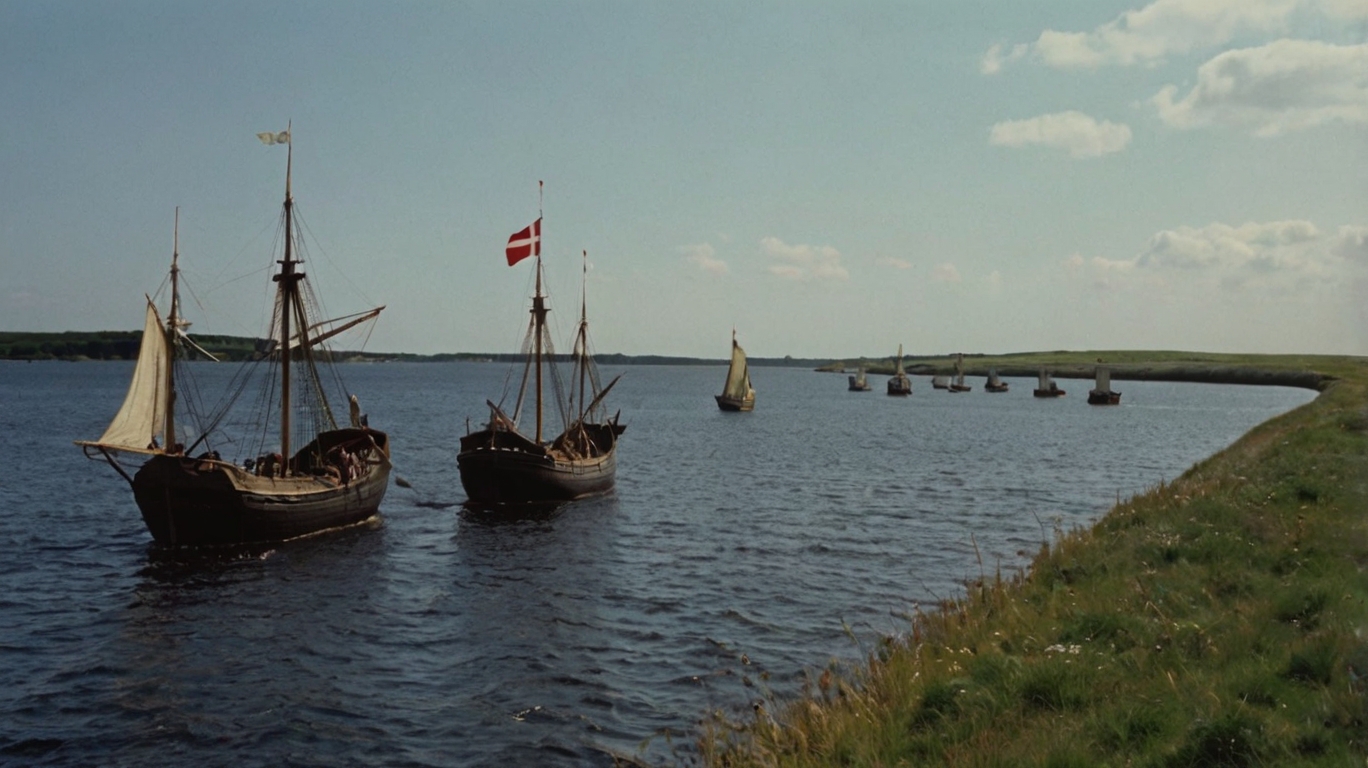
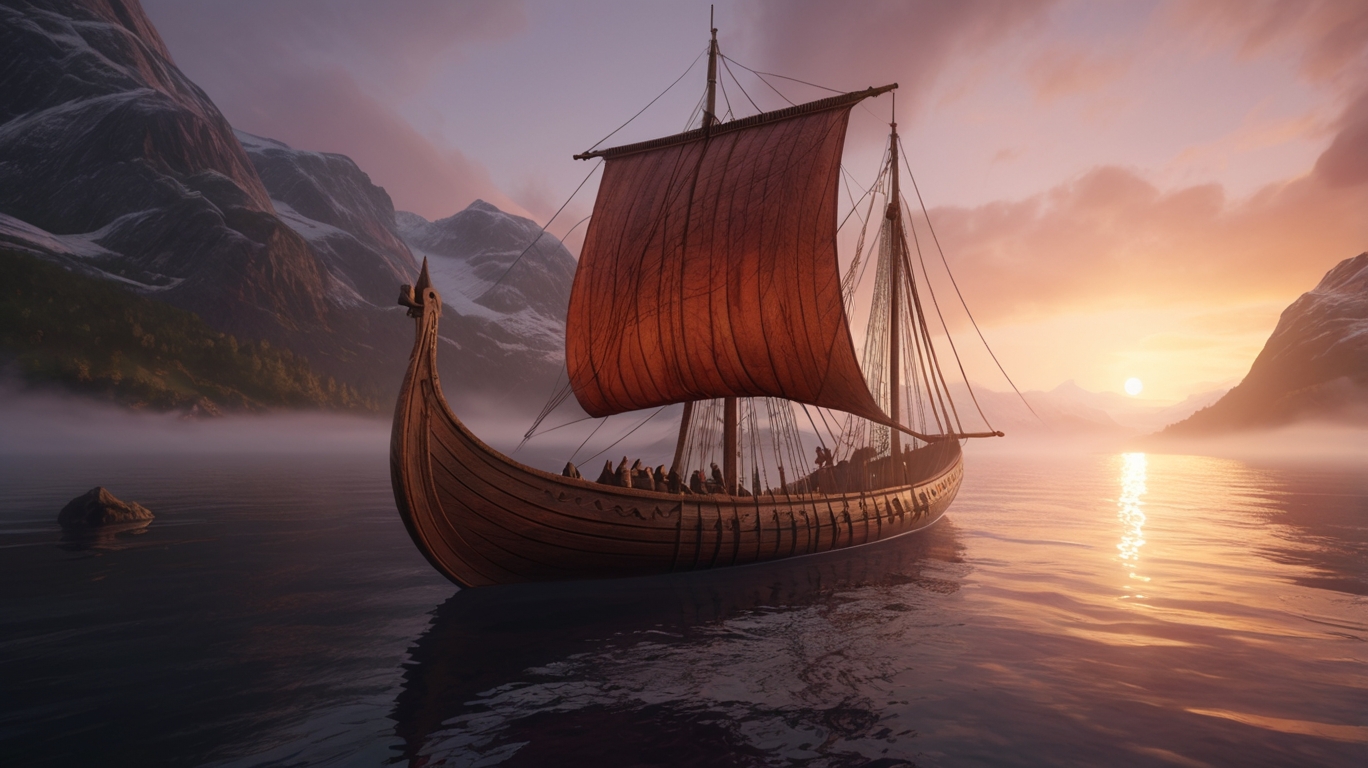
- Longships: Danish Vikings developed advanced longships that were fast, durable, and versatile. This expertise helped Denmark dominate the seas and secure trade routes.
- Naval Legacy: Modern Denmark’s maritime tradition traces back to Viking shipbuilding innovations.
Fortifications and Settlements
Modern Implications: These early practices influenced urban planning and defense strategies in Denmark for centuries.
Defensive Structures: Vikings built fortified settlements to protect trade hubs and coastal areas.
Vikings and the Modern Danish Identity
The Viking influence is more than historical—it shapes modern Danish identity in profound ways.
National Pride and Heritage
- Denmark celebrates its Viking history through museums, festivals, and educational programs. Sites like the Viking Ship Museum in Roskilde provide immersive experiences for visitors.
- Many Danes view the Vikings as a symbol of resilience, exploration, and ingenuity.
Values and Society
Innovation and Openness: Viking trade and exploration fostered curiosity and adaptability, qualities that define Denmark today.
Community and Equality: Participatory decision-making from the Viking era echoes in Denmark’s modern democratic values.
Traveling and Experiencing Viking Denmark
For travelers or potential residents, experiencing Viking heritage can deepen your understanding of Denmark.
Must-Visit Viking Sites
- Roskilde Viking Ship Museum – See reconstructed ships and interactive exhibits.
- Hedeby (Haithabu) – Explore an archaeological site with Viking-era fortifications.
- Ribe Viking Center – Experience daily life as a Viking through reenactments.
Viking Festivals and Cultural Events
- Viking Market in Ribe – Annual event showcasing crafts, combat demonstrations, and food.
- Historical Reenactments – Many towns host reenactments that bring Viking history to life.
Practical Tips for Travelers
Cultural Etiquette: Respect historical sites and local customs.
Public Transport: Denmark has an excellent transport system connecting key historical sites.
Language: While Danish is the official language, English is widely spoken.
Conclusion: The Enduring Viking Legacy
Denmark’s journey from Viking settlements to a modern, progressive nation is remarkable. Vikings laid the groundwork for governance, trade, culture, and national identity that still resonates today. For travelers, new residents, or anyone curious about Denmark, understanding this legacy provides a richer appreciation of the country’s values, architecture, and society.
Exploring Viking history is not just about the past—it’s a lens through which we can understand modern Denmark. Whether you’re visiting a Viking museum, cycling through historic towns, or simply learning about Danish traditions, the Viking spirit of curiosity, resilience, and innovation is everywhere.