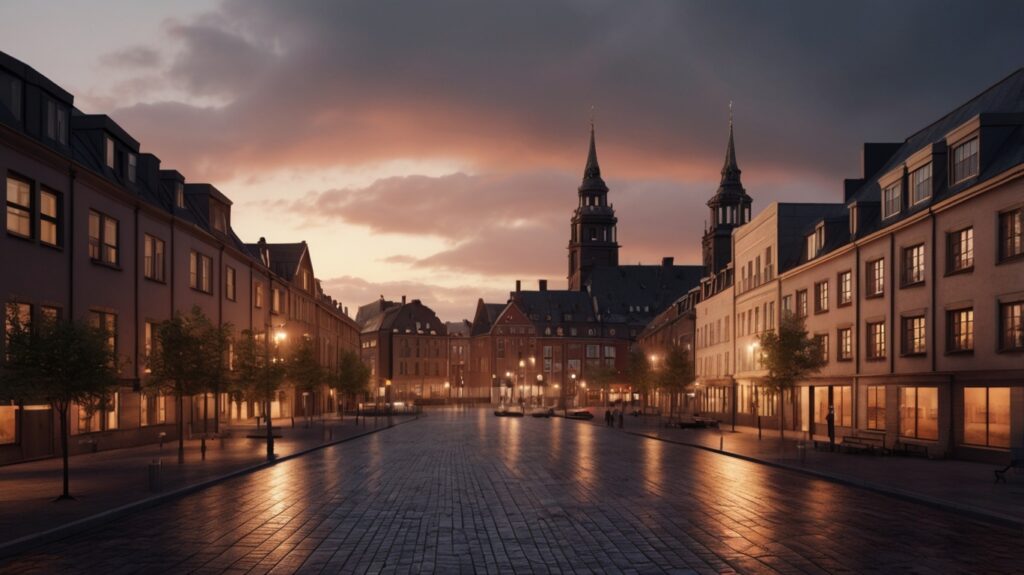
The phrase “Why Scandinavian country is so successful” has become a frequent headline in global media, often praised in think pieces, documentaries, and political debates. With high standards of living, low crime rates, progressive social policies, and world-renowned education systems, Scandinavian countries like Denmark, Norway, and Sweden have become symbols of a well-functioning society. But behind the polished statistics and hygge-fueled imagery lies a deeper, more complex story — one that challenges the simplicity of success.
The Model That the World Envies
Scandinavia’s success is usually attributed to a unique blend of capitalism and socialism — a model where free-market economies coexist with robust welfare states. Healthcare is universal. Education is free. Workers enjoy parental leave, unemployment benefits, and job security that seem utopian elsewhere. In global happiness reports, these countries consistently top the charts.
Take Denmark, for instance — consistently ranked among the happiest nations in the world. Norway, with its sovereign wealth fund built on oil profits, has become a symbol of long-term national planning. Sweden, pioneering in green energy and social reforms, is seen as a social democracy done right.
But how sustainable is this model? And more importantly, is it as inclusive and unproblematic as it appears?
The Darker Undercurrents of Perfection
Scandinavian success hasn’t come without its sacrifices. The welfare state relies heavily on trust, taxation, and a strong sense of societal cohesion. Critics argue that this model works best in culturally homogeneous societies — something that is increasingly challenged by rising immigration and multiculturalism.
Integration has proven to be a significant hurdle. In Sweden, for example, gang violence and socioeconomic segregation have raised questions about whether the welfare state can continue to function as it has. Political discourse has grown more polarized, with once-fringe parties gaining traction by calling for tighter immigration controls and reforms to the welfare system.
Furthermore, the pressure to conform and succeed in a society where everything “works” can lead to unseen personal struggles. Mental health issues, particularly among youth, are rising. In Norway and Denmark, suicide rates among young people have shown concerning trends, despite — or perhaps because of — their high-functioning social systems.
A Subtle Cultural Toll
The Scandinavian model also hinges on the concept of Janteloven, an unspoken cultural code that discourages individualism and prioritizes humility and equality. While this creates social harmony, it can also stifle ambition and personal expression. Entrepreneurs and creatives sometimes struggle in systems that quietly discourage standing out.
Moreover, the dependency on government support can reduce risk-taking. Safety nets are plentiful — but they come at the cost of bureaucracy and a sometimes overbearing state presence in citizens’ lives.
Scandinavian Has Global Admiration — But Growing Internal Tension
The rest of the world continues to look at Scandinavia with admiration. Politicians in the United States and UK reference the region in debates over healthcare and education. Yet internally, Scandinavian countries are beginning to question their own narratives. Is this model fit for the 21st century, with its shifting demographics, globalized economy, and climate uncertainty?
Norway is now confronting the ethical implications of its oil wealth. Sweden is reevaluating its approach to immigration and social cohesion. Denmark has taken a sharp turn toward stricter migration policies and welfare reforms. The debate is no longer about whether the model is successful — but whether it is adaptable and resilient.
So, Why Is a Scandinavian Country So Successful?
Is it because of the welfare state, the cultural values, or the homogeneity that once defined the region? Or is it a combination of historical timing, geographical luck, and deep-rooted societal norms?
Whatever the answer, the question now is:
Can the Scandinavian model maintain its success in a rapidly changing world — or will the very factors that made it great eventually become its undoing?
Question:
Do you believe the Scandinavian success model is sustainable in the face of modern global challenges?
- Yes, with careful reform and adaptation, it can remain a global benchmark.
- No, its success is tied to past conditions that no longer exist today.
P20250417-001