Introduction: Why Denmark Should Be on Your Travel List
Denmark, a Scandinavian gem, is known for its rich history, modern design, sustainable living, and friendly locals. Whether you’re drawn by the iconic fairy-tale streets of Copenhagen, the Viking heritage in Jutland, or the peaceful countryside of Funen, Denmark offers something for every traveler. However, visiting Denmark for the first time can be confusing if you don’t know how the country works—from transportation to dining etiquette. This guide will give you practical tips, cultural insights, and insider knowledge to make your Danish adventure smooth and memorable.
By the end of this article, you’ll feel prepared to explore Denmark like a local while enjoying all the must-see attractions..
Planning Your Trip to Denmark
Best Time to Visit Denmark
Denmark experiences a temperate climate, meaning it has mild summers and cold winters. The best time to visit depends on your preferences:
- Summer (June–August): Long daylight hours, festivals, and outdoor activities.
- Spring (April–May) & Autumn (September–October): Fewer crowds and lower prices, but unpredictable weather.
- Winter (November–March): Short days and chilly temperatures, ideal for experiencing cozy Danish traditions like Christmas markets.
Tip: Pack layers and a waterproof jacket regardless of the season; Danish weather can change quickly.
How to Get to Denmark
Denmark is accessible by air, train, and even ferry from neighboring countries:
- By Air: Copenhagen Airport (CPH) is Denmark’s largest hub, well-connected to Europe and beyond. Billund Airport (BLL) is convenient for exploring Jutland and Legoland.
- By Train: The Danish railway system links major cities and connects to Germany and Sweden via high-speed trains.
- By Ferry: Popular routes connect Denmark to Norway, Sweden, and Germany, offering scenic journeys.
Understanding Danish Culture and Etiquette
Greetings and Social Norms
Danes are known for their polite but reserved demeanor. A few cultural tips:
- Greetings: A firm handshake and eye contact are standard.
- Punctuality: Being on time is important; lateness is considered disrespectful.
- Language: Danish is the official language, but most Danes speak excellent English. Learning a few phrases like hej (hi) or tak (thank you) is appreciated.
Tipping and Dining Etiquette
Unlike many countries, tipping is not obligatory in Denmark because service charges are included in bills. However, rounding up to the nearest 5–10% is appreciated.
- Restaurants: Table service is common, and meals are usually relaxed, especially in cafés.
- Cafés & Street Food: Many locals grab a coffee or a hot dog on the go.
- Alcohol & Nightlife: Pubs and bars are social hubs, but ID checks are strict—carry your passport.
Transportation in Denmark
Getting around Denmark is straightforward but requires understanding the local systems.
Public Transport
Denmark has a highly efficient public transport network:
- Trains: Frequent services connect major cities. Consider the DSB train app for schedules.
- Buses & Metro: Copenhagen has a metro that runs 24/7. Other cities also have reliable buses.
- Tickets: Use the Rejsekort (travel card) for convenient payment across trains, buses, and metro.
Cycling Culture
Denmark is one of the world’s most bike-friendly countries:
- Copenhagen: Dedicated bike lanes make cycling safe and fun.
- Bike Rentals: Options like Bycyklen (city bikes) and private rental shops are widely available.
- Tips: Always follow traffic rules, wear a helmet, and signal turns.
Driving in Denmark
Renting a car is ideal for exploring rural areas:
- Road Rules: Drive on the right-hand side. Seatbelts are mandatory.
- Parking: City parking can be limited and expensive—look for P-zones or parking apps.
- Fuel: Petrol stations are common, but check distances in rural areas.
Must-Know Travel Tips
Money and Costs
Denmark is one of the more expensive countries in Europe. Key points:
- Currency: Danish Krone (DKK).
- Credit Cards: Widely accepted; cash is rarely used.
- Budget Tips: Take advantage of free attractions, bike rentals, and lunch specials.
Safety
Denmark is very safe, with low crime rates. Still:
- Pickpocketing: Rare but possible in tourist-heavy areas.
- Emergency Number: Dial 112 for police, fire, or ambulance.
Connectivity and Internet
- Wi-Fi: Available in hotels, cafés, and public spaces.
- SIM Cards: Prepaid SIMs are inexpensive and easy to find.
Accommodation Options
Denmark offers diverse lodging options depending on your travel style:
- Hotels: Ranging from luxury in Copenhagen to budget options in smaller towns.
- Hostels: Affordable and sociable, popular with backpackers.
- Airbnb & Vacation Rentals: Great for families or longer stays.
- Camping: Denmark has scenic campsites, especially along the coast.
Tip: Book well in advance during peak seasons to avoid higher prices and limited availability.
Food and Drink in Denmark
Traditional Danish Cuisine
Trying local dishes is a highlight of visiting Denmark:
- Smørrebrød: Open-faced sandwiches with fish, meat, or cheese.
- Frikadeller: Danish meatballs served with potatoes or salad.
- Rødgrød med fløde: A classic dessert made from red berries and cream.
Modern Danish Dining
- New Nordic Cuisine: Copenhagen has Michelin-starred restaurants embracing local, seasonal ingredients.
- Street Food: Copenhagen Street Food and Aarhus Street Food markets offer international flavors.
Top Attractions and Experiences in Denmark
Copenhagen Highlights
- Tivoli Gardens: A historic amusement park perfect for families.
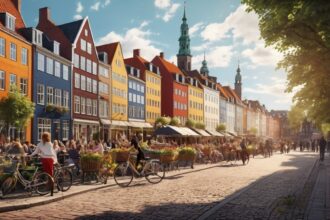
- Nyhavn: Iconic colorful waterfront ideal for walking and photos.
- The Little Mermaid: Inspired by Hans Christian Andersen’s fairy tale.
Beyond Copenhagen
- Aarhus: Denmark’s cultural hub with museums and festivals.
- Odense: Birthplace of Hans Christian Andersen.
- Roskilde: Famous for its Viking Ship Museum and music festival.
- Rural Adventures: Explore coastal villages, castles, and national parks.
Seasonal Events and Festivals
- Copenhagen Jazz Festival (July): A music lover’s paradise.
- Roskilde Festival (June/July): One of Europe’s largest music festivals.
- Christmas Markets (November–December): Cozy markets with lights, mulled wine, and crafts.
Practical Travel Tips
- Language Apps: Download Google Translate for quick help.
- Reusable Water Bottle: Tap water is safe and excellent in Denmark.
- Weather Prep: Keep an umbrella and layers handy.
- Local Apps: Apps like Rejseplanen help with public transport, and MobilePay is widely used for payments.
Conclusion: Making the Most of Your Danish Adventure
Traveling to Denmark can be a truly enriching experience when you understand how the country works. From mastering local transport, embracing Danish customs, enjoying traditional cuisine, to exploring the best attractions, Denmark offers a seamless blend of history, culture, and modern living.
Actionable Takeaways:
- Learn basic Danish phrases and respect local etiquette.
- Embrace cycling as a main mode of transport in cities.
- Budget wisely, as Denmark can be expensive.
- Plan your trip around the season and festivals for the best experience.
Whether it’s your first visit or a return journey, Denmark is welcoming and easy to navigate for travelers who are prepared. Start planning today, and you’ll leave with memories that last a lifetime.