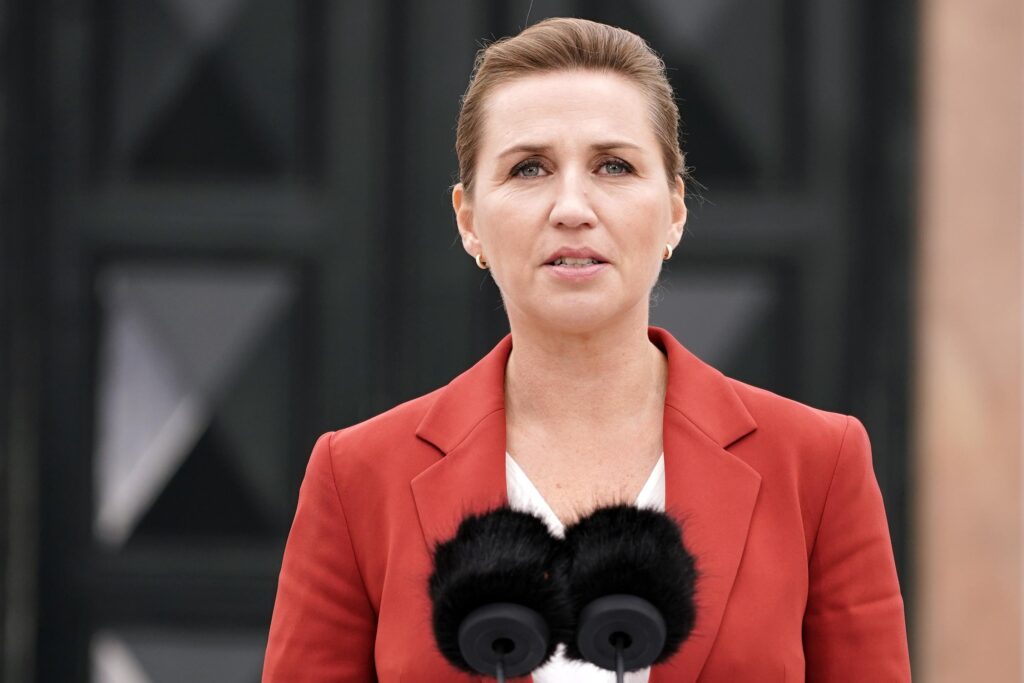
In the heart of Scandinavia, Denmark’s political landscape has been dramatically shaped by the tenure of Prime Minister Mette Frederiksen’s leadership, marked by decisive actions and controversial decisions, has sparked intense debates about governance, legality, and public trust.
Mette Frederiksen’s Mink Massacre: A Legal Quagmire
In November 2020, amidst the COVID-19 pandemic, Frederiksen’s government ordered the culling of Denmark’s entire mink population—approximately 17 million animals—due to concerns over a mutated virus strain. This drastic measure devastated the nation’s fur industry and led to significant political fallout. Investigations revealed that the government lacked the legal authority for such an order, resulting in a symbolic reprimand for Frederiksen and the resignation of the agriculture minister. The incident, dubbed “Minkgate,” raised serious questions about the government’s adherence to legal protocols and transparency.
Greenland: A Geopolitical Flashpoint
Frederiksen’s tenure has also been challenged by international tensions, notably with the United States over Greenland. In a contentious phone call, former President Donald Trump expressed interest in purchasing the autonomous territory, a proposal Frederiksen firmly rejected, stating, “Greenland is not for sale.” The situation escalated with threats of tariffs and military action from the U.S., testing Denmark’s diplomatic resilience and highlighting the complexities of Arctic geopolitics.
Mette Frederiksen’s Social Media and Public Sentiment
Domestically, Frederiksen faced criticism for underestimating public opposition to abolishing Store Bededag (Great Prayer Day), a traditional holiday. She later admitted that her perception was skewed by social media narratives, acknowledging that she misjudged the general public’s sentiment. This admission underscored the challenges leaders face in navigating the digital information landscape and gauging authentic public opinion.
Intelligence Intrigue and Internal Strife
The Prime Minister’s administration has been embroiled in controversies involving Denmark’s intelligence services. The dismissal of the Defense Intelligence Service head and subsequent leaks about internal surveillance raised concerns about governmental overreach and the handling of sensitive information. These events have further complicated Frederiksen’s political standing and prompted discussions about accountability within the highest levels of government.
A Nation at a Crossroads
As Denmark grapples with these multifaceted challenges, the nation stands at a pivotal juncture. The controversies surrounding Frederiksen’s leadership prompt a critical question:
Should Denmark prioritize strong, decisive leadership even at the risk of legal and ethical controversies, or should it emphasize strict adherence to legal frameworks and transparent governance, potentially at the expense of swift decision-making?
This dilemma invites reflection on the values that underpin democratic societies and the balance between effective leadership and the rule of law.
Important Links:
The Mink Cull Scandal
Denmark’s EU Presidency and Security Focus
Digital Privacy and Deepfake Legislation
You May Like:
-
How Danish News Built a Surprisingly Calm Fascinating Media Culture
News & coffee: Imagine a quiet morning in Denmark. The sky is grey.You sit with a warm cup of coffee. Then you open the news. The headlines talks about politics, schools, the weather, and the world.Some stories are serious.Some stories talk about problems. But the coverage still feels calm. No shouting.No loud drama.Just clear information.…
-
Why Proven Ways Make People Secure and Happy
Denmark built its system slowly. Leaders worked step by step. Their goal was simple. Life should feel fair and stable. Because of this, rules do not change very often. As a result, people trust the system. Meanwhile, the United States showed a different style during the Trump years. Politics moved fast. Big choices came quickly.…
-
I Spent 7 Days in The Great Danish Winter Darkness
Darkness is the first thing you notice in a Danish winter. It is not silence. Instead, it is a quiet that slowly settles over everything. Streets feel calmer. Houses glow softly from inside. Even the air feels still. Winter changes the rhythm of Denmark. The sun rises late. Sometimes it hides behind clouds. When daylight…
-
How Kids Explore Risky Play Better
Playgrounds in Denmark often surprise visitors. Many people expect soft floors and very safe equipment. However, Danish playgrounds feel more adventurous. Children climb tall wooden towers. Others balance on logs or rope bridges. Some build huts with planks and ropes. At first, the space may look messy or even risky. Yet the design is intentional.…
-
How Denmark Builds a Powerful World of Trust
Introduction Have you ever walked down a Copenhagen street and noticed a pram (baby carriage) left outside a café, or seen children playing freely without adults hovering? For many visitors, these are striking signs that something about Danish life feels different. It’s not just safety, it’s trust—and more importantly, this trust is taught from a…
-
The Welfare Myths: Hidden Truths About Life in Denmark
Introduction to Copenhagen: Beyond the Stereotypes When most people think of Copenhagen, a few familiar images pop up: bicycles, colorful houses along the canal, happy people, and maybe even fairy tales written by a certain famous author. But here’s the truth—you might be wrong about Copenhagen. For travelers, expats, and curious readers, the Danish capital…
P20250417-002