Introduction: How Copenhagen and Dubai Contrast.
When envisioning the vibrant landscapes of global cities, Copenhagen and Dubai stand out as two distinct and captivating metropolises. While both cities are renowned for their modernity and appeal, they offer vastly different experiences shaped by their unique cultures, climates, and histories. This blog explores the contrasts between Copenhagen, the charming capital of Denmark, and Dubai, the dazzling gem of the United Arab Emirates.
1. Geography & Climate
Copenhagen
Located on the eastern coast of the island of Zealand, Copenhagen enjoys a temperate oceanic climate. Summers are mild and pleasant, with average temperatures ranging from 17°C to 21°C (63°F to 70°F). Winters are cold but not extreme, with temperatures hovering around 0°C to 5°C (32°F to 41°F). The city experiences a fair amount of rainfall throughout the year, contributing to its lush green spaces.
Dubai
Situated on the southeastern coast of the Arabian Peninsula, Dubai boasts a desert climate characterized by scorching summers and mild winters. Summer temperatures often exceed 40°C (104°F), making it one of the hottest cities globally. Winters are much more comfortable, with temperatures ranging from 14°C to 24°C (57°F to 75°F). Dubai experiences minimal rainfall, and its arid environment is dominated by vast stretches of sand and stunning desert landscapes.
2. Culture & Lifestyle
Copenhagen
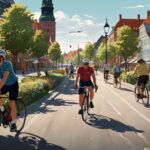
Copenhagen is deeply rooted in Scandinavian traditions, emphasizing community, sustainability, and a high quality of life. The Danish concept of “hygge”—a sense of coziness and contentment—is integral to the city’s lifestyle. Copenhageners prioritize work-life balance, cycling as a primary mode of transportation, and enjoying communal spaces like parks and cafes. The city is known for its progressive values, including gender equality and environmental consciousness.
Dubai
Dubai is a melting pot of cultures, with expatriates making up a significant portion of its population. The city’s lifestyle is a blend of traditional Emirati customs and modern, cosmopolitan influences. Dubai offers a dynamic nightlife, luxury shopping, and world-class dining experiences. While maintaining its Islamic heritage, the city is remarkably liberal in terms of entertainment and social activities, catering to a diverse international community.
3. Architecture & Urban Development
Copenhagen
Copenhagen’s architecture seamlessly blends historic charm with modern design. The cityscape features picturesque canals, colorful waterfront buildings, and iconic landmarks like the Nyhavn district and the Royal Palace. Modern architectural marvels, such as the Copenhagen Opera House and the Øresund Bridge, coexist with sustainable urban projects like the CopenHill waste-to-energy plant and innovative green buildings. The emphasis is on functionality, aesthetics, and environmental sustainability.
Dubai
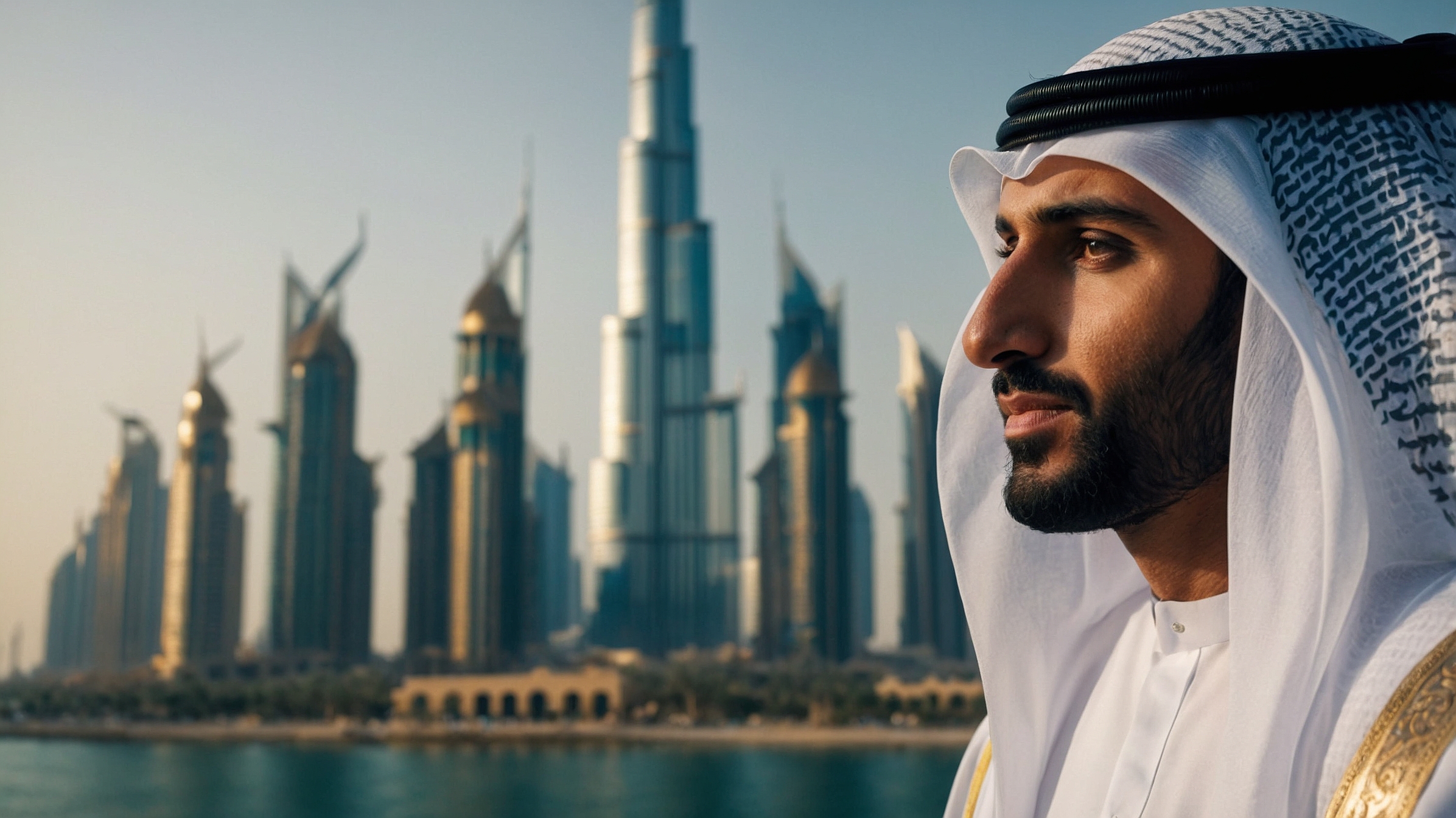
Dubai is synonymous with futuristic architecture and ambitious urban projects. The city is home to the Burj Khalifa, the world’s tallest building, and the Burj Al Arab, a luxury hotel shaped like a sail. Dubai’s skyline is a testament to its rapid growth and opulence, featuring numerous skyscrapers, artificial islands like Palm Jumeirah, and extravagant developments such as The Dubai Mall and Dubai Marina. The architecture often emphasizes grandeur, luxury, and cutting-edge technology.
4. Economy & Business
Copenhagen
Copenhagen boasts a robust and diversified economy, with key sectors including information technology, pharmaceuticals, maritime shipping, and clean energy. The city is a hub for startups and innovation, supported by a strong emphasis on education and research. Denmark’s stable economic environment, high standard of living, and comprehensive welfare system make Copenhagen an attractive place for both businesses and professionals.
Dubai
Dubai’s economy is one of the fastest-growing in the Middle East, driven by sectors like real estate, tourism, aviation, and finance. The city has established itself as a global business hub, offering tax-free zones and world-class infrastructure to attract international companies and investors. Dubai’s strategic location as a gateway between East and West further bolsters its economic prominence. Additionally, the city is increasingly investing in technology and sustainability to diversify its economic base.
5. Transportation
Copenhagen
Copenhagen is renowned for its efficient and eco-friendly transportation system. Cycling is deeply ingrained in the city’s culture, supported by extensive bike lanes and facilities. The public transportation network includes buses, trains, and the Metro, all of which are punctual, clean, and reliable. Copenhagen also promotes electric vehicles and has invested in green transportation initiatives to reduce its carbon footprint.
Dubai
Dubai offers a modern and expansive transportation network designed to accommodate its rapid growth. The city features an extensive road network, including iconic highways like Sheikh Zayed Road. The Dubai Metro, a fully automated rail system, serves as a backbone for public transit, complemented by buses, trams, and water taxis. Dubai is also home to one of the world’s busiest airports, Dubai International Airport, facilitating global connectivity. However, the reliance on cars remains high due to the city’s sprawling nature.
6. Sustainability & Environment
Copenhagen
Copenhagen is a global leader in sustainability and environmental initiatives. The city aims to become carbon-neutral by 2025, implementing comprehensive strategies to reduce greenhouse gas emissions. Initiatives include expanding renewable energy sources, promoting green transportation, and enhancing waste management systems. Copenhagen’s commitment to sustainability is evident in its green buildings, extensive parks, and focus on preserving natural resources.
Dubai
While Dubai is making strides in sustainability, it faces unique challenges due to its desert environment and rapid urbanization. The city has launched initiatives like the Dubai Clean Energy Strategy 2050, aiming to increase the use of clean energy and reduce reliance on fossil fuels. Projects such as the Mohammed bin Rashid Al Maktoum Solar Park and sustainable developments like The Sustainable City reflect Dubai’s efforts towards a greener future. However, balancing growth with environmental preservation remains an ongoing endeavor.
7. Tourism & Attractions
Copenhagen
Copenhagen offers a rich array of cultural and historical attractions. Visitors can explore the Tivoli Gardens, one of the world’s oldest amusement parks, visit the historic Nyhavn harbor, or tour the majestic Christiansborg Palace. The city is also famous for its design scene, with numerous museums, galleries, and boutique shops showcasing Danish craftsmanship. Copenhagen’s compact size and walkable streets make it easy to explore its diverse offerings.
Dubai
Dubai is a premier global tourist destination, known for its luxury and extravagance. Iconic attractions include the Burj Khalifa, Dubai Mall, and the Palm Jumeirah. The city offers a wide range of experiences, from desert safaris and indoor ski slopes at Ski Dubai to pristine beaches and vibrant nightlife. Dubai also hosts world-class events and exhibitions, attracting millions of visitors annually. Its blend of modern attractions with traditional markets like the Gold Souk provides a unique and varied tourism experience.
8. Cost of Living
Copenhagen
Copenhagen consistently ranks among the most expensive cities in the world. Housing costs are high, particularly in the city center, and everyday expenses such as dining, transportation, and groceries reflect the city’s high standard of living. However, these costs are balanced by substantial social benefits, including free education, healthcare, and a strong social safety net. High salaries and a well-developed welfare system help residents manage the cost of living effectively.
Dubai
Dubai’s cost of living can vary widely depending on lifestyle choices. While luxury accommodations, fine dining, and high-end shopping can be expensive, there are also more affordable options available. The absence of personal income tax is a significant financial advantage for residents. However, expatriates often need to budget for housing and schooling, which can be substantial expenses. Overall, Dubai offers a range of living costs to suit different budgets, though certain areas can be quite pricey.
9. Quality of Life
Copenhagen
Copenhagen consistently ranks high in global quality of life indices, thanks to its excellent healthcare, education, safety, and work-life balance. The city’s emphasis on sustainability, green spaces, and active living contributes to the well-being of its residents. Copenhageners enjoy a sense of community and access to a wide range of cultural and recreational activities, fostering a fulfilling and balanced lifestyle.
Dubai
Dubai offers a dynamic and vibrant quality of life, characterized by modern amenities, diverse entertainment options, and a multicultural environment. The city provides excellent infrastructure, healthcare, and education facilities, catering to its diverse population. However, the high pace of life, extreme weather conditions, and cultural adjustments can impact the overall experience for some residents. Nonetheless, Dubai’s opportunities for career growth and its luxurious lifestyle continue to attract people from around the world.
Conclusion
Copenhagen and Dubai are two cities that, while both epitomizing modernity and progress, offer distinctly different experiences shaped by their unique environments and cultural contexts. Copenhagen charms with its sustainable living, historic beauty, and emphasis on community and well-being. In contrast, Dubai dazzles with its architectural marvels, luxurious lifestyle, and dynamic economic landscape.
Whether you’re drawn to Copenhagen’s hygge-filled streets and green initiatives or Dubai’s opulent skyline and cosmopolitan flair, both cities provide rich and rewarding experiences for residents and visitors alike. Understanding their contrasts not only highlights the diversity of urban living but also underscores the myriad ways cities can thrive and evolve on the global stage.
Which city captivates you more—Copenhagen’s cozy elegance or Dubai’s extravagant grandeur? Share your thoughts in the comments below!